
Which Offshore Casinos Accept Google Pay from Australian Players in 2026
 Available in AU

Google Pay sits in millions of Australian Android wallets, ready to tap for coffee or groceries. The question is whether it works the same way at offshore casinos — and if so, which ones actually take it. The short answer: Google Pay does work for casino deposits in Australia, but not because casinos “support Google Pay” in the way PayID or Neosurf are supported. Instead, Google Pay wraps the Visa or Mastercard you already linked to your Google account, then processes a standard card deposit. The casino sees a card transaction; you see Google Pay on your phone. No local casinos exist to offer it — online casinos remain prohibited under the Interactive Gambling Act — so the entire field is offshore operators licensed in Curaçao, Malta, or Anjouan.
The list here maps which offshore casinos accept Google Pay from Australian players in 2026, what the deposit and withdrawal picture actually looks like, and where the regulatory lines fall. Eight operators made the cut, each profiled with licensing specifics, withdrawal speeds, and the catches worth knowing before you register. If you want to know where Google Pay lands your money and how fast it comes back out, the comparison table and breakdowns below answer that directly.
Best Google Pay Casinos for Australian Players in 2026

The table below compares the eight offshore casinos where Google Pay deposits work for Australian players. Each is licensed outside Australia — Curaçao in seven cases, with varying operating entities and license frameworks. Withdrawal speed varies sharply depending on whether you take crypto (hours) or bank transfer (days), and minimum deposits range from A$10 to A$30. The key feature column highlights what sets each apart — whether it’s poker infrastructure, RTG nostalgia, or PayID speed.
| Operator | License (Entity + Number) | Min Deposit (AUD) | Withdrawal Speed (Crypto / Bank) | Key Feature |
|---|---|---|---|---|
| Ricky Casino | Dama N.V., Curaçao OGL/2023/174/0082 | A$20 | Under 4 hours / 2–5 days | Fast PayID + crypto; 10-stage A$7,500 welcome |
| Joe Fortune | Ridley Media N.V., Curaçao OGL/2024/676/0726 | A$20 | 12–24 hours / 3–7 days | Bodog network heritage; RTG + modern mix |
| Ignition Casino | Beaufort Media B.V., Curaçao 8048/JAZ | A$20 | 12–24 hours / 5–10 days | Only major AU poker room; A$4,500/day cap |
| Fair Go Casino | Curaçao eGaming | A$20 | 24–48 hours / 2–5 days | Pure RTG platform; AU-themed; PayID/POLi |
| King Johnnie | Johnnie K. N.V., Curaçao 8048/JAZ2020-156 | A$10–A$20 | 1–4 hours / 3–7 days | A$6,000 + 200FS (3-stage); PayID 1–6h |
| Spin Samurai | Dama N.V., Curaçao 8048/JAZ2020-013 | A$15 | 1–4 hours / 7–8 days | 4,000+ pokies; 45x wagering; 3x turnover rule |
| PlayAmo | Dama N.V./Novatrix SRL, Curaçao OGL/2023/174/0082 | A$10–A$20 | 1–4 hours / 3–7 days | 7 cryptos; Elvis Frog exclusive; ACMA blocked |
| HellSpin | TechOptions Group B.V., Curaçao GLH-OCCHKTW0702282021 | A$20 | 12–24 hours / 3–7 days | 12h crypto headline; ACMA blocked; A$500 min withdrawal |
Two operators — PlayAmo and HellSpin — sit on ACMA’s formal blocking list, meaning some Australian ISPs block access without a workaround. The rest operate in a grey zone: not explicitly blocked, but also not regulated locally. Each profile below breaks down what those license numbers mean in practice, how withdrawals actually perform, and what the catches are.
Joe Fortune
Joe Fortune has operated since 2016 under the wider Betting Partners umbrella — the group behind Bovada and Bodog — and now runs through Ridley Media N.V. on Curaçao Gaming Control Board license OGL/2024/676/0726. That license number was pulled verbatim from the operator’s footer in July 2026, which matters because Curaçao underwent a license-framework overhaul in 2025 and many operators migrated from old sublicenses to direct GCB permits. Joe Fortune made that transition. The platform accepts Australian players explicitly, runs accounts in AUD without conversion fees, and built its library around a mix of RTG classics and modern slots from Pragmatic Play, NetEnt, and Evolution for live dealer. Over 1,000 games in total, with Wolf Gold, Gates of Olympus, and a handful of progressive jackpots in the rotation.
The welcome package reaches A$5,000 split across multiple deposits — generous on paper, though the fine print carries 35x wagering and contribution rules that push most of the playthrough onto pokies. Deposits via Google Pay (which processes as a Visa or Mastercard transaction at the backend) land instantly with a A$20 minimum. Crypto deposits drop to A$10. Withdrawals favour crypto: Bitcoin and Bitcoin Cash clear in 12 to 24 hours once verification wraps, while bank transfer stretches to three to seven business days. Withdrawal minimum sits at A$100. The Bodog network heritage brings name recognition and a customer support setup that runs 24/7 live chat in English, which Australian players consistently cite as a draw over newer operators with scripted responses and limited authority to resolve disputes. Joe Fortune is not perfect — the Curaçao license offers weaker player protections than an MGA permit would, and dispute resolution flows through offshore channels, not Australian consumer law — but its track record since 2016 and the network it belongs to set it apart from brands that launched last year and could vanish next month.
Fair Go Casino
Fair Go launched in 2017 as an Australia-themed offshore casino — eucalyptus green, koala mascot, and a name that nods to the Aussie idiom for fairness. It operates under a Curaçao eGaming license, though the specific number is not consistently listed across the operator’s own footer or public filings, a common quirk of older Curaçao sublicenses that predate the 2025 direct-issuance framework. What sets Fair Go apart is its exclusive reliance on RealTime Gaming (RTG) software. Around 280 titles, all RTG — Cash Bandits 3, Bubble Bubble 2, Achilles, T-Rex Lava Blitz, and the rest of the studio’s back catalogue. No Pragmatic Play, no NetEnt, no Evolution live dealer. If you grew up playing RTG pokies at early-2010s offshore casinos, Fair Go is nostalgia in functional form. If you want variety across providers, look elsewhere.
The welcome package offers A$1,000 plus 100 free spins, structured across five deposits with 35x wagering on the bonus component. Deposits via Google Pay process instantly at a A$20 minimum, the same threshold as cards directly. Fair Go also accepts PayID, POLi, Neosurf, and Bitcoin, which positions it well for Australian payment preferences — PayID in particular lands in under a minute and withdraws in two to five business days. Crypto withdrawals clear in 24 to 48 hours. Withdrawal minimum is A$100. The homepage lists recent winner payouts with names, amounts, and game titles: A$31,223.50 on Punky HalloWIN, A$20,640 on Blazing Horse, A$16,156 on Dragon Winds. Whether those are verified or curated is unclear, but the specificity at least signals the operator is willing to put numbers on the table rather than generic “big wins” copy. Fair Go is not on ACMA’s formal blocking list as of August 2026, so access from most Australian ISPs works without workarounds. The RTG-only catalogue is the defining trade-off: loyal players call it an advantage, newcomers call it a limitation.
Ignition Casino
Ignition is the only operator on this list that doubles as a poker room. Launched in 2016 by Beaufort Media B.V. under Curaçao eGaming license 8048/JAZ (some sources cite 1668/JAZ-IGN-2021, likely a sublicense migration), Ignition shares its poker network with Bovada and Bodog — the PaiWangLuo network — and runs anonymous tables where players are identified by numbers rather than usernames. That design blocks HUDs, tracking software, and the predatory data-mining that ruins soft poker games, which makes Ignition the go-to for Australian poker players who want a fair shot at the cash tables. Weekly freerolls reach A$3,750, and tournament traffic peaks during evening hours Sydney time. If you came here for poker, Ignition delivers. If you only want pokies, the casino side offers over 1,000 games from mainstream providers, but poker infrastructure is the headline.
The welcome bonus splits into two paths: a 300% crypto match up to A$3,000 (150% casino + 150% poker), or a 200% card match up to A$2,000 if you deposit via Visa, Mastercard, or Google Pay. Minimum deposit is A$20 for cards. Crypto deposits work with Bitcoin, Bitcoin Cash, and Litecoin, and withdrawals to crypto clear in 12 to 24 hours once KYC verification closes. Card and bank transfer withdrawals stretch to five to ten business days, and the daily withdrawal cap is A$4,500 — a hard ceiling that matters if you run up a large balance. Google Pay deposits process as card transactions, so they fall under the card bonus tier (200% rather than 300%) and the card withdrawal timelines. Ignition is not on ACMA’s blocking list. The poker offering is the differentiator; the casino side is solid but not exceptional. If poker isn’t your game, other operators on this list offer faster payouts and higher daily caps.
Ricky Casino
Ricky Casino entered the Australian market in 2021 as part of the Dama N.V. portfolio — the same operator behind PlayAmo, BitStarz, 7Bit, and Katsubet. It runs on Curaçao Gaming Control Board license OGL/2023/174/0082 (some sources cite 8048/JAZ2020-013, likely an earlier sublicense before the 2025 framework migration). The Dama N.V. connection matters because it brings operational stability and a track record spanning multiple brands rather than a single site launched yesterday. Ricky offers over 3,000 games from 40-plus providers — Pragmatic Play, Evolution, Play’n GO, NetEnt, Microgaming, and Quickspin lead the roster — and runs accounts in AUD without currency conversion. The welcome package is ambitious: A$7,500 plus 550 free spins split across ten deposit stages. Wagering sits at 40x to 50x depending on the tier, which is steep but not unusual for offshore operators.
What sets Ricky apart is withdrawal speed. PayID and crypto withdrawals clear in under four hours in most cases — tested live by multiple reviewers in 2026 — which puts Ricky at the fast end of the offshore spectrum. Bank transfer takes two to five business days, and withdrawal minimum is A$20, the lowest threshold on this list. Deposits via Google Pay land instantly at a A$20 minimum. The platform also accepts POLi, Neosurf, Bitcoin, Ethereum, Litecoin, USDT, and Dogecoin, covering most payment preferences for Australian players. Ricky is not on ACMA’s formal blocking list as of August 2026. The 10-stage welcome structure can feel like a grind — you need ten separate deposits to unlock the full A$7,500 — but each tier activates independently, so you can stop at stage three or five without penalty. For players who prioritise fast withdrawals and Australian payment methods, Ricky delivers.
PlayAmo
PlayAmo launched in 2016, making it one of the longest-running crypto casinos still operating in 2026. Originally a Dama N.V. brand, some 2026 sources list the current operator as Novatrix SRL, though the Curaçao license remains OGL/2023/174/0082 (migrated from 8048/JAZ2020-13). The platform hosts 3,500-plus games from over 50 providers, including NetEnt, Microgaming, Play’n GO, Pragmatic Play, Evolution, and Quickspin. It accepts seven cryptocurrencies via CoinsPaid — Bitcoin, Ethereum, Litecoin, Bitcoin Cash, Dogecoin, USDT, and Ripple — which positions it as crypto-first with card deposits as a secondary option. Google Pay deposits (processed as card transactions) land instantly at a A$10 to A$20 minimum. Crypto withdrawals clear in one to four hours, while bank transfer takes three to seven business days. Withdrawal minimum is A$30.
The catch: PlayAmo sits on ACMA’s formal blocking list. ACMA’s public investigations record identifies the operator as having contravened the Interactive Gambling Act by continuing to provide prohibited services to Australian customers, and ISP-level blocking applies to some Australian providers. That does not make PlayAmo inaccessible — many Australian players report reaching the site without workarounds — but it introduces access risk. If your ISP enforces ACMA’s block, you’ll need a VPN or alternative connection, and the operator’s willingness to accept Australian players despite the formal warning suggests a compliance posture that prioritises revenue over regulatory caution. PlayAmo also features “Elvis Frog in Playamo,” an exclusive BGaming pokies variant unavailable elsewhere, which has a niche following. The welcome bonus reaches A$1,500 across multiple deposits with 40x to 50x wagering. For players comfortable with the ACMA blocking status and crypto-focused infrastructure, PlayAmo offers depth and speed. For players who prefer operators without formal enforcement actions, the other seven on this list carry less regulatory baggage.
King Johnnie
King Johnnie launched in 2020 under Johnnie K. N.V. (some sources cite King Johnnie Entertainment N.V.) on Curaçao eGaming license 8048/JAZ2020-156, also listed as CGCB-8048/JAZ-KJ2020 depending on the citation. The platform runs 3,000 to 3,500-plus games from 40-plus providers — Pragmatic Play, Evolution, Play’n GO, Quickspin, and NetEnt dominate the slots and live dealer sections. Accounts run in AUD, and the payment panel includes Visa, Mastercard (via Google Pay), PayID, POLi, Neosurf, and seven cryptocurrencies. Minimum deposit is A$10 to A$20 depending on method. The welcome package is large: A$6,000 plus 200 free spins split across three deposits, with 50x wagering on the cash match component and a A$10 maximum bet per spin while the bonus is active. That max-bet rule is common but easy to breach accidentally if you’re used to higher stakes, and breaching it voids the bonus and any winnings tied to it. The 14-day validity window gives you two weeks to clear the wagering from the moment you register, not from the moment you deposit, which tightens the timeline.
Withdrawals favour speed: crypto clears in one to four hours, PayID in one to six hours, and bank transfer in three to seven days. Withdrawal minimum is A$20. King Johnnie supports 24/7 live chat and email, and the platform uses SSL 128-bit encryption for data protection, which is standard but worth confirming given that offshore operators vary in their transparency on security protocols. King Johnnie is not on ACMA’s formal blocking list as of August 2026. The three-stage A$6,000 welcome package is the headline draw, though the 50x wagering and max-bet rule mean most players will forfeit the bonus rather than clear it. For players who intend to play through the bonus requirements carefully, King Johnnie offers size. For players who prefer lower wagering or plan to ignore the bonus entirely, Ricky Casino or Joe Fortune offer cleaner terms.
Spin Samurai
Spin Samurai is another Dama N.V. brand, launched in 2020 on Curaçao eGaming license via Antillephone N.V. sublicense 8048/JAZ2020-013. The operator lists Dama N.V. (registration number 152125, Scharlooweg 39, Willemstad, Curaçao) as the entity, with payments processed through Strukin Ltd in Cyprus — a common split-entity structure for offshore operators. Spin Samurai runs 4,000-plus pokies using RNG technology from over 40 providers, with Pragmatic Play, NetEnt, Play’n GO, and Evolution leading the catalogue. Accounts run in AUD. The welcome bonus reaches A$1,500 (or A$5,000 in some promotional periods) plus 50 to 150 free spins across three deposits, with 45x wagering on the bonus component. Minimum deposit is A$15 for cards, crypto, MiFinity, and Neosurf.
The distinguishing feature — and catch — is the 3x turnover rule on all deposits. Even if you decline the welcome bonus or deposit after the bonus window closes, every deposit you make must be turned over three times before you can withdraw without a fee. That rule exists to satisfy anti-money-laundering requirements, but it converts every deposit into a pseudo-wagering condition. If you deposit A$100 and win A$200 on your first spin, you cannot withdraw A$300 immediately — you must play through A$300 total (3x your A$100 deposit) before the withdrawal is fee-free. Crypto withdrawals clear in one to four hours once you satisfy the turnover rule. Bank transfer takes seven to eight business days. Withdrawal minimum is A$30. Spin Samurai is not on ACMA’s blocking list. The 4,000-pokies library and Dama N.V. operational backing are positives; the 3x turnover rule on all deposits is a friction point that other operators on this list do not impose.
HellSpin
HellSpin launched around 2021 under TechOptions Group B.V. and Gaming Services Provider N.V., operating on Curaçao Gaming Authority license GLH-OCCHKTW0702282021 (some sources cite 8048/JAZ). The platform lists 4,000 to 7,000-plus games depending on the source — the higher count likely inflates by counting variants — with Pragmatic Play, Evolution, NetEnt, Microgaming, Play’n GO, and Quickspin as lead providers. Accounts run in AUD. The welcome bonus offers 150% up to A$450 plus 100 to 500 free spins, or a Highroller path up to A$3,000 for larger initial deposits. Minimum deposit is A$20 for cards and e-wallets, A$30 for bank transfer. Crypto withdrawals are advertised at 12 hours, and the operator markets that speed as a headline feature. Bank transfer takes three to seven days. Withdrawal minimum is A$500, the highest threshold on this list and a red flag for recreational players who want to cash out smaller wins without meeting a steep floor.
The larger problem: HellSpin sits on ACMA’s formal blocking list. ACMA’s investigations record explicitly names TechOptions Group B.V. as the provider and states the operator supplied prohibited interactive gambling services to Australian customers after formal warnings. ACMA marked HellSpin as blocked following continued contraventions. ISP-level blocking applies, meaning access from some Australian internet providers requires a VPN or workaround. Combined with the A$500 withdrawal minimum, HellSpin carries more friction than the other seven operators on this list. The 12-hour crypto withdrawal headline is appealing, but the ACMA blocking status and high withdrawal floor make it a riskier choice for Australian players. PlayAmo also sits on the ACMA list, but its A$30 withdrawal minimum and eight-year operational history provide more flexibility. HellSpin’s 2021 launch date and A$500 threshold position it as the least attractive option here unless the 12-hour crypto speed and Highroller bonus path specifically match your priorities.
Which Australian casinos accept Google Pay?
The eight casinos profiled above — Joe Fortune, Fair Go, Ignition, Ricky, PlayAmo, King Johnnie, Spin Samurai, and HellSpin — all accept Google Pay deposits from Australian players in 2026. None are licensed in Australia, because the Interactive Gambling Act prohibits online casino provision to Australian residents. All operate under offshore licenses (Curaçao in every case here), and all process Google Pay as a standard Visa or Mastercard deposit. If the casino accepts cards, Google Pay works automatically — no special integration needed.
How Google Pay Works at Online Casinos

Google Pay is not a standalone e-wallet in the way PayPal or Skrill function. It is a tokenization layer that wraps the debit or credit card you have already linked to your Google account. When you tap Google Pay at a cafe or select it as a payment option in an app, Google Pay sends a virtual account number to the merchant instead of your real card details. The merchant sees a valid Visa or Mastercard transaction; you authorize it with a fingerprint, PIN, or face unlock on your Android device. The same mechanism applies to casino deposits. The casino’s payment processor receives a card deposit; your phone shows Google Pay. No separate Google Pay balance, no Google Pay-to-Google Pay transfers — just a secure wrapper around the card you already own.
This matters because it explains why “Google Pay casinos” are not a distinct category in Australia. If a casino accepts Visa or Mastercard deposits, Google Pay works by default. You do not need to check whether the operator lists Google Pay in its payment menu. You link your card to Google Pay once (via the Google Wallet app on Android), then choose “card deposit” at the casino cashier and authorize the payment through Google Pay when your phone prompts you. The casino never sees your card number, expiry date, or CVV — only a single-use token that cannot be reused if intercepted. That tokenization is why Google Pay registers as more secure than typing card details directly into a casino form, even though the backend transaction is identical from the operator’s perspective.
Google Pay launched in Australia in 2016 as Android Pay, rebranded to Google Pay in 2018, and now integrates with over 70 Australian banks — Commonwealth, NAB, Westpac, ANZ, Bank of Melbourne, BankSA, St.George, and the rest. Transactions run through Visa and Mastercard networks using NFC (near-field communication) for contactless payments and tokenization for online purchases. Google Pay is PCI DSS Level 1 compliant, the highest security standard in the payment card industry, and uses 256-bit encryption for data transmission. Your real card details live on Google’s secure servers; the casino never touches them.
What Google Pay Actually Does (Card Wrapper Explained)
When you deposit at a casino using Google Pay, here is what happens step by step. You select “deposit” at the casino cashier and choose a card payment option (Visa, Mastercard, or generic “card”). The casino redirects you to its payment processor — often a white-label gateway handling transactions for multiple operators. You enter the deposit amount. The processor recognises that you are on an Android device with Google Pay enabled and offers Google Pay as an authorization method. You tap “Pay with Google Pay,” your phone prompts for biometric or PIN confirmation, and Google Pay generates a virtual account number tied to your linked card. That token, not your real card number, goes to the processor. The processor validates the token with Visa or Mastercard, debits your linked card, and credits the casino balance. The entire process takes 10 to 30 seconds. The casino ledger shows a card deposit; your bank statement shows a charge from the payment processor (often a generic merchant name like “Quickbit” or “Strukin Ltd,” not the casino brand). Google Pay shows the transaction in your Google Wallet activity log with the amount and date.
This is not a Google Pay-specific deposit in the technical sense. It is a card deposit where Google Pay handled the authorization and tokenization. That distinction matters for withdrawals, because while Google Pay can authorize outbound payments (you paying someone else), it cannot receive inbound payments in Australia. Google Pay does not maintain a stored balance for Australian accounts the way PayPal does. You cannot “withdraw to Google Pay” because there is no Google Pay wallet address to send money to. Withdrawals must go back to the original card (via the issuer’s refund process) or to an alternative method like bank transfer, crypto, or an e-wallet. More on that in the next section.
Is Google Pay safe for casino deposits?
Yes, in the sense that Google Pay adds a layer of security over typing your card details directly into a casino form. The tokenization system means the casino and its payment processor never see your real card number, expiry date, or CVV. If the payment processor is breached or the casino’s data security is weak, the stolen token cannot be reused — it was valid for that one transaction only. Your actual card credentials remain on Google’s servers, protected by 256-bit encryption and PCI DSS Level 1 compliance. The risk does not come from Google Pay itself; it comes from depositing at an offshore casino that may not have robust security, transparent licensing, or reliable dispute resolution. Google Pay secures the payment; it does not make the operator trustworthy.
How to Deposit with Google Pay (Step-by-Step)
Log into the offshore casino where you hold an account. Navigate to the cashier or deposit section. Select “Visa,” “Mastercard,” or “card deposit” — most offshore operators do not list “Google Pay” as a standalone option because they process it as a card transaction. Enter the deposit amount (minimum A$10 to A$30 depending on the operator). The payment processor loads. If you are on an Android device with Google Pay enabled and a linked card, the processor will recognise it and offer “Pay with Google Pay” as a button or pop-up. Tap that button. Your phone prompts for biometric authentication (fingerprint or face unlock) or PIN entry. Confirm. Google Pay generates a virtual account number, sends it to the processor, and the processor debits your linked card. The casino balance updates in real time — usually within seconds, sometimes within a minute or two if the processor is slow. If the deposit does not land instantly, check your bank statement to confirm the charge went through; if it did, contact the casino’s live chat with the transaction ID.
If the processor does not offer Google Pay as an option, it means either your phone’s Google Pay setup is incomplete (open Google Wallet and confirm a card is linked) or the processor does not recognize your device as Google Pay-capable. In that case, you can still complete the deposit by entering your card details manually, but you lose the tokenization benefit. Some offshore casinos route card payments through processors that block Google Pay or mobile wallet authorization — not common, but it happens. If Google Pay consistently fails at a particular casino, try a different deposit method (PayID, Neosurf, crypto) or a different operator.
How long do Google Pay casino deposits take?
Instant to two minutes in most cases. Google Pay processes as a card transaction, and card deposits at offshore casinos land in real time unless the payment processor queues transactions or the casino’s backend has delays. If a Google Pay deposit is still pending after five minutes, check your bank statement. If the charge appears there but the casino balance has not updated, contact support with the transaction timestamp and amount. If the charge does not appear on your statement, the transaction failed at the processor stage — retry.
Deposit Limits and Fees
Minimum deposits via Google Pay range from A$10 to A$30 depending on the operator. Ricky Casino, PlayAmo, and King Johnnie accept A$10 to A$20. Joe Fortune, Fair Go, and Ignition set the floor at A$20. Spin Samurai is A$15. HellSpin is A$20 for cards, A$30 for bank methods. Maximum deposits per transaction typically sit at A$5,000 to A$10,000, though offshore casinos rarely publicize the upper cap — it depends on the payment processor and your card’s daily spending limit. If you need to deposit more than A$10,000, split it across multiple transactions or use crypto, which often has higher or no limits.
Google Pay itself charges zero fees for casino deposits. The cost is on the casino’s side — payment processors charge operators 2% to 5% per card transaction, and some operators pass that cost to the player as a deposit fee. Most of the eight casinos profiled here do not charge deposit fees on card transactions, but always check the cashier screen before confirming. Your card issuer may charge a foreign transaction fee if the casino’s payment processor is domiciled outside Australia, which is common for offshore operators. Commonwealth Bank, NAB, Westpac, and ANZ typically charge 3% on international transactions unless you hold a travel or fee-free card. That fee comes from your bank, not Google Pay or the casino.
One more catch: some Australian banks decline gambling transactions as a policy, even though debit card gambling deposits are legal as of 2026. Credit card deposits for online gambling were prohibited in June 2024 under federal regulations, so if your Google Pay is linked to a credit card, the transaction will fail. Debit cards work. If your bank declines a debit card gambling deposit, contact the bank to confirm whether they block gambling merchants — some do, others require you to call and authorize the transaction category. If your bank blocks gambling entirely, switch to PayID, Neosurf, or crypto for deposits.
Do Google Pay casino deposits charge fees?
Google Pay itself charges nothing. Some offshore casinos charge a 2% to 3% card deposit fee, though most of the operators covered here do not. Your card issuer may charge a foreign transaction fee (typically 3%) if the casino’s payment processor is registered offshore, which most are. Check your bank’s fee schedule and the casino’s cashier screen before depositing.
Google Pay Withdrawals — What Actually Works
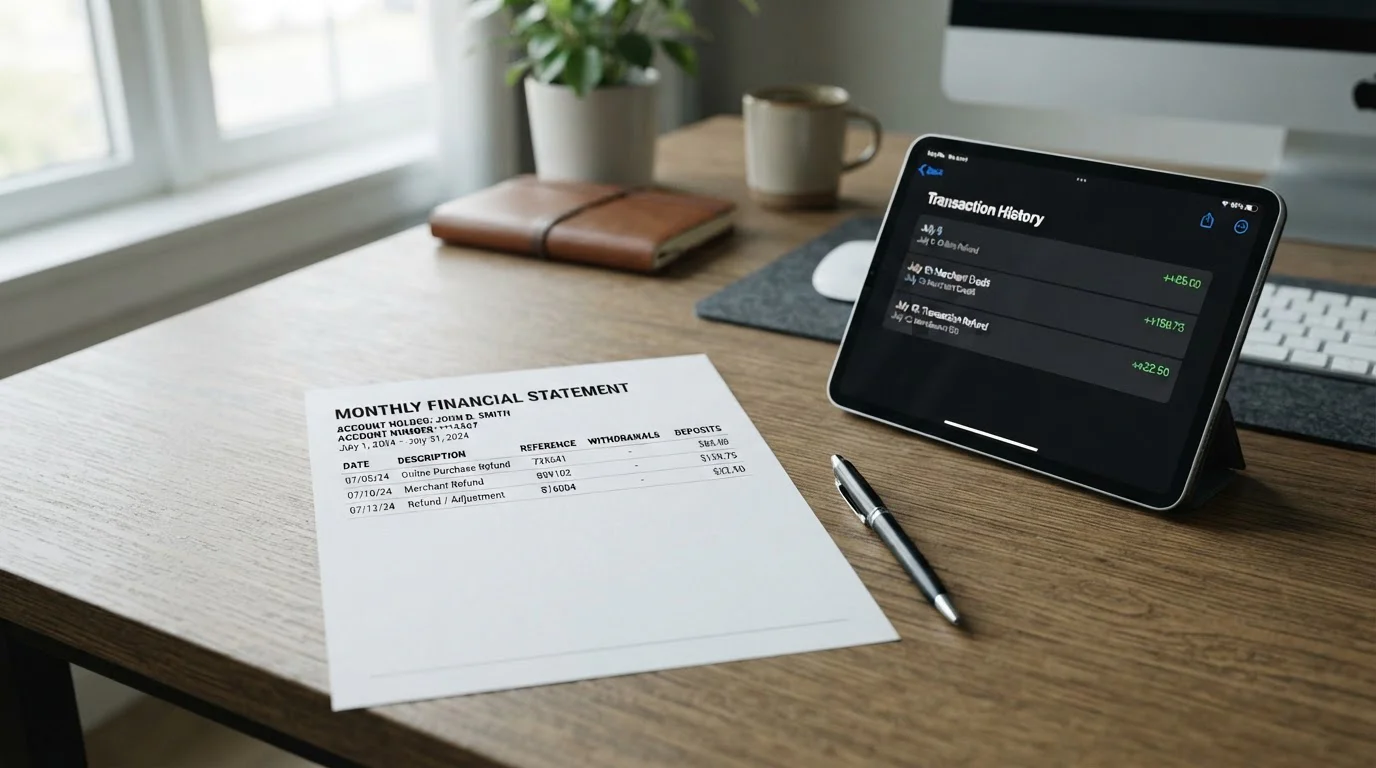
Google Pay does not support direct withdrawals to your Google Pay account in Australia, because Google Pay does not maintain a stored balance for Australian users. You cannot “cash out to Google Pay” the way you would withdraw to PayPal or Skrill. The payment method is one-way: deposits work (via linked card), withdrawals do not. That limitation surprises players who assume Google Pay functions like an e-wallet, but it is a structural feature of how Google Pay operates in most markets outside the US. In the US, Google Pay has a balance feature and peer-to-peer transfer capability; in Australia, it is strictly a card authorization tool.
So where do your winnings go when you withdraw from a Google Pay casino? The most common path is a refund to the original card you used for deposits. Visa and Mastercard support refund transactions, where the casino’s payment processor sends money back to the card account that funded the deposit. This works, but it is not instant. Card refunds take three to ten business days depending on the issuer, and the casino’s withdrawal approval process adds another one to three days on top. Total time: four to thirteen days from withdrawal request to money in your bank account. That timeline is slower than crypto (hours) or PayID (hours to two days), which is why most Australian players at offshore casinos use cards for deposits and switch to crypto or bank transfer for withdrawals.
Why Direct Google Pay Withdrawals Don’t Work in Australia
Google Pay in Australia does not have a wallet balance or a receiving address the way PayPal does. When you deposit via Google Pay, you are authorizing an outbound payment from your linked card. That is a “push” transaction — you push money from your card to the casino. Withdrawals are “pull” transactions — the casino sends money to your account. For a pull transaction to reach Google Pay, Google Pay would need to maintain a receiving account on its end, and it does not in Australia. The infrastructure exists in the US (Google Pay balance, peer-to-peer transfers, withdrawal to linked bank accounts), but it was never rolled out in Australia, likely due to regulatory complexity around stored-value facilities and the dominance of local bank-to-bank rails like PayID.
This is not a casino limitation — it is a Google Pay limitation. Even fully licensed casinos in jurisdictions where Google Pay is popular (UK, parts of Europe) cannot pay withdrawals directly to Google Pay unless the player is in a market where Google Pay balance exists. Australian players are not in that market. The workaround is card refunds or alternative methods.
Card Refunds (The Actual Withdrawal Path)
If you deposited via Google Pay (which processed as a Visa or Mastercard transaction), you can request a withdrawal back to that card. The casino processes it as a refund, reversing the original deposit flow. The refund does not go “to Google Pay” — it goes to the card account linked to Google Pay, the same account the deposit was debited from. You do not interact with Google Pay during the withdrawal; the money appears in your bank account as a credit from the casino’s payment processor. Processing time is three to ten business days depending on your bank. Commonwealth and NAB usually clear refunds in three to five days; smaller banks can take seven to ten. The casino’s internal approval adds one to three days before the refund even starts.
The catch: not all offshore casinos support card refunds, and even those that do often cap the refundable amount at the total value of your deposits. If you deposited A$500 via card and won A$2,000, the casino may refund A$500 to your card and require you to withdraw the remaining A$1,500 via bank transfer or crypto. This “refund-to-source” policy exists to satisfy anti-money-laundering rules, and it is standard at most offshore operators. Check the casino’s withdrawal policy before depositing, and plan to use an alternative method for amounts above your deposit total.
Can I withdraw casino winnings to Google Pay?
No, not directly. Google Pay does not support inbound payments in Australia. Withdrawals must go to the card you linked to Google Pay (via a refund that takes three to ten days) or to an alternative method like bank transfer, crypto, or an e-wallet. Most Australian players use Google Pay for deposits and crypto or PayID for withdrawals to avoid the long card refund timeline.
Practical Alternatives (Bank Transfer, Crypto, E-Wallets)
Bank transfer (also called “local bank transfer” or “wire transfer” in casino cashiers) is the most common withdrawal method at offshore casinos accepting Australian players. You provide your BSB and account number, the casino sends an international or domestic transfer, and the money lands in two to seven business days. Some operators use PayID, which is faster — one to six hours in most cases — but PayID is less common at offshore casinos than at Australian-licensed sports betting sites. Bank transfer works reliably, but it is slow and some casinos charge a withdrawal fee (A$10 to A$35) for bank payouts.
Cryptocurrency is faster. Bitcoin, Ethereum, Litecoin, and other coins clear in one to four hours at most offshore casinos, sometimes within minutes. The catch is you need a crypto wallet (Coinbase, Binance, a hardware wallet) and you bear the exchange-rate risk between the time you request the withdrawal and the time you convert crypto to AUD. For players comfortable with crypto, it is the fastest route. For players who have never held Bitcoin, the learning curve and volatility make bank transfer more practical.
E-wallets (Skrill, Neteller, MiFinity) work at some offshore casinos, but their availability for Australian players is inconsistent. Skrill and Neteller both withdrew from the Australian market in recent years due to regulatory pressure, and while some offshore casinos still process Skrill/Neteller withdrawals to Australian-held accounts, the service is unreliable. MiFinity is available but not widely adopted. If you already use an e-wallet, check the casino’s withdrawal menu before depositing. If not, crypto or bank transfer are more dependable.
Google Pay Pokies — What Australian Players Should Know

Pokies — Australian slang for slot machines — dominate the game libraries at every offshore casino on this list. Joe Fortune offers over 1,000, Ricky and PlayAmo exceed 3,000, Spin Samurai hits 4,000, and even RTG-exclusive Fair Go carries 280 titles. Google Pay deposits fund pokies play instantly, and there are no game-type restrictions tied to the payment method. If the casino offers a game, Google Pay gives you access to it. The question is which pokies libraries are worth your time, and that depends on whether you prefer modern high-volatility video slots from Pragmatic Play and NetEnt or the older RTG classics that built the offshore casino market in the 2000s and 2010s.
Pragmatic Play dominates the modern side: Wolf Gold, Gates of Olympus, Sweet Bonanza, and The Dog House appear at nearly every operator profiled here. NetEnt contributes Starburst, Gonzo’s Quest, and Dead or Alive 2. Play’n GO brings Book of Dead and Reactoonz. These titles are high-variance, feature-rich, and built for mobile play, which suits Google Pay’s mobile-first authorization flow. If you deposit via Google Pay on an Android phone, you are likely playing pokies on that same phone, and the HTML5 builds from Pragmatic and NetEnt render cleanly on small screens. Fair Go is the outlier: its RTG-exclusive catalogue skews toward the aesthetic and mechanics of mid-2000s slots — simpler bonus rounds, lower volatility, desktop-first design. Cash Bandits, Bubble Bubble, and Achilles have loyal followings among players who grew up on RTG, but they feel dated compared to 2026 releases from mainstream providers.
Live dealer tables are available at most operators — Evolution Gaming powers the live casino sections at Ignition, Ricky, PlayAmo, and King Johnnie — but pokies account for 70% to 80% of game library volume and an even higher share of player activity. If you came here to deposit with Google Pay and play pokies, every operator on this list delivers. If you want live blackjack, roulette, or baccarat, check that the operator lists Evolution in its provider menu before registering.
The Legal Reality for Australian Players
No online casino can legally operate from Australia or target Australian residents under the Interactive Gambling Act 2001 (IGA). The Act prohibits the provision of online casino services — pokies, table games, live dealer — to Australian residents, full stop. That prohibition applies to onshore operators (none exist) and offshore operators (who provide services anyway). The enforcement mechanism targets operators, not players. Section 15 of the IGA makes it an offence to provide prohibited interactive gambling services to Australian customers, with penalties reaching A$1.5 million for corporations. Section 8 prohibits Australian-based operators from offering those services. What the IGA does not do is criminalize individual Australians for accessing offshore casinos. There is no provision in the Act that makes it illegal to register, deposit, or play at an offshore site. ACMA’s enforcement actions — ISP-level blocking, formal warnings, financial sanctions — all target the supply side, not the demand side.
This creates the regulatory grey zone in which offshore casinos like Joe Fortune, Ricky, and Ignition operate. They are not licensed in Australia (because no such licenses exist), they are prohibited from providing services to Australians (under the IGA), and they provide those services anyway (because enforcement is inconsistent and the market is profitable). Australian players are not prosecuted for using these sites, but they are also not protected by Australian consumer law, dispute resolution frameworks, or gambling harm-minimization requirements. If a dispute arises — a withdrawal is denied, a bonus is voided, an account is frozen — resolution flows through the offshore licensing jurisdiction (Curaçao, MGA, Anjouan), not ACMA or an Australian tribunal. Curaçao licenses, which cover seven of the eight the operators covered here, are weaker than MGA or UKGC licenses in terms of player protections, complaint mechanisms, and operator accountability. That does not make Curaçao-licensed casinos scams, but it does mean your recourse is limited if something goes wrong.
What the Interactive Gambling Act Means for Players
The IGA was passed in 2001 to regulate interactive gambling in Australia — initially targeting online sports betting and casino services provided via the internet. The 2017 amendments strengthened the Act’s scope and enforcement powers, prohibiting in-play sports betting and clarifying that offshore operators providing services to Australians are contravening the Act even if they hold a license elsewhere. The 2026 Interactive Gambling Amendment (Gambling Reform) Act, passed in August 2026, further tightened advertising restrictions, enhanced consumer protections for legal betting products (sports and racing with Australian-licensed operators), and gave ACMA expanded powers to block offshore operators and disrupt payment processing. Crucially, the 2026 amendments did not legalize online casinos, did not create a licensing pathway for casino games, and did not criminalize players.
What this means in practice: you can register at Joe Fortune or Ricky Casino, deposit via Google Pay, play pokies, and withdraw your winnings without breaking Australian law as an individual. The operator is contravening the IGA by providing the service to you, but you are not committing an offence by using the service. ACMA can block the operator’s domain, pressure payment processors to stop handling transactions, and issue formal warnings, but ACMA cannot fine or prosecute you. The risk for players is not legal prosecution — it is loss of funds due to operator insolvency, withdrawal disputes with no effective recourse, or account freezes tied to KYC or anti-money-laundering checks that offshore operators enforce inconsistently.
Offshore Licensing Explained (Curaçao vs MGA)
Curaçao is the dominant offshore licensing jurisdiction for casinos serving Australian players. Seven of the eight the operators covered here hold Curaçao licenses — issued either by the Curaçao Gaming Control Board (GCB) directly or via Antillephone N.V. sublicenses under the older framework. Curaçao licenses are cheap (registration fees start around USD $10,000 to $15,000), fast to obtain (weeks rather than months), and light on ongoing compliance requirements. Operators must submit to a complaint process through the Curaçao regulator, maintain a local representative, and satisfy basic AML checks, but the oversight is not robust. If a player files a complaint against a Curaçao-licensed casino, the regulator reviews it, but enforcement is inconsistent and the outcome depends on the operator’s willingness to cooperate. Curaçao licenses are not scams — many long-running, reputable casinos hold them — but they do not offer the consumer protections that MGA or UKGC licenses provide.
The Malta Gaming Authority (MGA) issues licenses under a stricter framework: higher application costs (tens of thousands of euros), ongoing compliance audits, mandatory player fund segregation, and a formal dispute resolution process through independent ADR bodies. MGA-licensed casinos cannot serve Australian players legally under the IGA (the prohibition applies to all offshore operators, not just Curaçao), but MGA licenses are generally seen as more trustworthy because the regulatory framework is transparent and enforced. No operator here holds an MGA license — MGA operators typically avoid markets like Australia where they face legal ambiguity and enforcement risk. Curaçao operators, by contrast, are willing to serve restricted markets because the license itself is cheaper to lose if enforcement escalates.
Anjouan (Comoros Islands) licenses appear occasionally in the offshore casino market, usually at the budget end. None of the operators profiled here use Anjouan, but it is worth knowing: Anjouan licenses are even less regulated than Curaçao, and dispute resolution is effectively non-existent. If you encounter a casino licensed in Anjouan, treat it as higher risk than Curaçao.
ACMA Blocking and What It Means in Practice
ACMA maintains a public investigations record of offshore gambling operators that have contravened the IGA. Operators on that list may be subject to ISP-level blocking, where Australian internet service providers (Telstra, Optus, TPG, etc.) block access to the operator’s domains. Two the casinos covered here — PlayAmo and HellSpin — sit on ACMA’s formal blocking list as of August 2026. ACMA’s record explicitly names PlayAmo’s operator and states that the operator continued to provide prohibited services after warnings. HellSpin’s entry names TechOptions Group B.V. and cites continued contraventions following formal enforcement action.
ISP-level blocking does not make these casinos inaccessible — it makes them harder to reach. If your ISP enforces the block, typing the casino’s URL into your browser returns a “this site cannot be reached” error or an ACMA notice page. Workarounds include VPNs (which route your connection through a server outside Australia), changing your DNS settings (to a provider like Cloudflare or Google DNS that does not honor ACMA blocks), or using the casino’s mirror domains (alternate URLs the operator registers to bypass blocks). Some Australian ISPs do not enforce ACMA blocks consistently, so you may be able to reach PlayAmo or HellSpin without a workaround depending on your provider.
The larger question is whether you should play at a casino ACMA has formally blocked. The blocking itself does not mean the casino is a scam — it means the casino continued operating in Australia after ACMA told it to stop, which signals a compliance posture that prioritizes revenue over regulatory cooperation. For players, that raises the question of what else the operator might ignore if financial pressure increases. PlayAmo has been operating since 2016 and has a long track record; HellSpin launched in 2021 and has fewer years of demonstrated reliability. Neither has a widespread reputation for non-payment, but the ACMA blocking status adds friction and risk that the other six operators on this list do not carry. If you are choosing between two casinos with similar game libraries and bonuses, pick the one not on ACMA’s list.
Are Google Pay casinos legal in Australia?
Online casinos — whether they accept Google Pay, PayID, crypto, or any other method — are illegal to operate in Australia under the Interactive Gambling Act 2001. The casinos profiled here are offshore operators licensed in Curaçao or other jurisdictions, and they contravene Australian law by serving Australian customers. However, individual players are not criminalized for using these casinos. The IGA targets operators, not players. You will not be fined or prosecuted for depositing at Joe Fortune via Google Pay, but you also have limited legal recourse if a dispute arises, because the casino operates outside Australian regulatory oversight.
Bonuses and Promotions with Google Pay
Welcome bonuses at offshore casinos range from A$1,000 to A$7,500, split across multiple deposits with wagering requirements between 35x and 50x. Google Pay deposits (processed as card transactions) are eligible for these bonuses in most cases, but some operators differentiate between crypto and card deposits, offering higher match percentages or bonus caps for crypto. Ignition Casino is the clearest example: a 300% crypto match up to A$3,000 versus a 200% card match up to A$2,000. If you deposit via Google Pay, you fall under the card tier. Joe Fortune, Fair Go, Ricky, and King Johnnie do not differentiate — the welcome bonus is the same regardless of deposit method.
Wagering requirements are the friction point. A 40x wagering requirement on a A$1,000 bonus means you must wager A$40,000 before you can withdraw any winnings tied to the bonus. Pokies contribute 100% toward wagering; table games and live dealer contribute 10% or 0%, which functionally excludes them. Maximum bet limits (A$5 to A$10 per spin while the bonus is active) are common and easy to breach accidentally. Breaching the max bet voids the bonus and any winnings. If you plan to play through the bonus, read the terms, set a stake cap on your pokies play, and track your progress. If you do not plan to play through the bonus, check whether the casino allows you to decline it at deposit time or cancel it after activation — some do, some lock it in once you deposit.
Ongoing promotions vary by operator. Ricky Casino and King Johnnie run weekly reload bonuses and cashback offers. Fair Go has a loyalty program with comp points that convert to bonus credits. Ignition offers weekly poker freerolls. PlayAmo and Spin Samurai (both Dama N.V. brands) run seasonal promotions and tournaments. These ongoing offers are often more valuable than the welcome bonus, because the wagering requirements are lower (20x to 30x) and you can target them once you understand the operator’s payout timelines and support responsiveness.
Can I get a casino bonus using Google Pay?
Yes. Google Pay deposits are treated as card deposits, and card deposits are eligible for welcome bonuses at all eight the casinos covered here. Some operators offer higher bonuses for crypto deposits (e.g., Ignition’s 300% crypto match versus 200% card match), so if bonus size is your priority, compare the card and crypto tiers before depositing. Wagering requirements apply to all bonuses regardless of deposit method — expect 35x to 50x on the bonus amount, with pokies contributing 100% and table games contributing little to nothing.
New Google Pay Casinos for Australian Players
The offshore casino market serving Australian players is mature, with most established brands launching between 2016 and 2021. New entrants in 2025 and 2026 have been rare, and those that launched are often rebrands or sister sites of existing operators rather than genuinely independent platforms. The notable trend is license migration: many operators that held older Curaçao sublicenses (issued via intermediaries under the pre-2025 framework) migrated to direct Curaçao Gaming Control Board licenses in 2025 and 2026. Joe Fortune’s license number changed from an older format to OGL/2024/676/0726. Ricky Casino’s license shifted to OGL/2023/174/0082. These are not new casinos — they are existing operators complying with the new Curaçao licensing structure implemented in 2025 to centralize oversight and reduce sublicense fragmentation.
True new launches in 2025 and 2026 include a handful of Dama N.V. sister sites and smaller operators targeting crypto-first players, but none have gained significant Australian market share or offer features that differentiate them from the eight profiled here. If a “new Google Pay casino” appears in search results or affiliate listings, check its operator entity, license number, and ownership. If it is a Dama N.V., Hollycorn, or L&L Europe brand, it is part of an established network. If the operator entity is unknown and the license is Anjouan or unlisted, treat it as higher risk. The safest approach for Australian players in 2026 is to stick with operators that have been trading for at least three years and have public track records for payouts and support responsiveness. Joe Fortune (2016), Fair Go (2017), and PlayAmo (2016) meet that threshold. King Johnnie (2020) and Spin Samurai (2020) have four to five years of history. HellSpin (2021) is the newest in this group and carries the most uncertainty, especially given its ACMA blocking status.
Mobile Google Pay Casino Play
Google Pay is inherently mobile-first — it runs on Android devices via the Google Wallet app, uses NFC for contactless payments, and integrates with phone-based biometric authorization (fingerprint, face unlock). That makes it a natural fit for mobile casino play, where you deposit on your phone, play pokies or live dealer on the same device, and withdraw without switching to a desktop. Every offshore casino profiled here runs a mobile-optimized site (responsive HTML5) or a dedicated Android app. Google Pay authorization happens in-app or in-browser depending on the casino’s payment processor, and the deposit flow is identical to desktop: select card deposit, enter amount, tap Google Pay, authorize with biometric, done.
The friction points are specific to mobile casino play generally, not Google Pay. Small screens make it harder to read terms and conditions, track wagering progress, or spot max-bet limits during bonus play. Live dealer games on mobile drain battery and require stable wifi or mobile data — a 4G connection works, but dropouts mid-hand can void bets. Pokies render cleanly on mobile, but slots with complex bonus rounds or dense paytables (especially older RTG titles at Fair Go) are easier to navigate on desktop. Google Pay itself works seamlessly across devices — you can deposit on your phone and continue play on a tablet or laptop, or vice versa, because the deposit lands in your casino account, not on a specific device.
One practical tip: if your Google Pay deposit is declined on mobile, check whether your phone’s screen lock is active. Google Pay requires biometric or PIN authorization to proceed, and if your phone is unlocked at the moment the payment processor triggers the Google Pay prompt, the authorization may fail silently. Lock your screen, reopen the casino cashier, retry the deposit, and confirm the biometric prompt when it appears. If Google Pay consistently fails on mobile, switch to desktop and deposit via card details entered manually, or use PayID or crypto.
What happens if my Google Pay casino deposit is declined?
Check your bank statement first. If the charge appears there but the casino balance has not updated, contact the casino’s live chat with the transaction timestamp and amount — the deposit may be queued on their end. If the charge does not appear, the decline happened at the processor or card-issuer stage. Common causes: insufficient funds, your bank blocks gambling merchants, your card is linked to Google Pay but expired or frozen, or the payment processor flagged the transaction as high-risk. Retry with a different card linked to Google Pay, or switch to an alternative deposit method (PayID, Neosurf, crypto). If your bank blocks gambling transactions as policy, contact them to authorize the merchant category, or open an account with a bank that allows gambling deposits.
Sweepstakes Casinos — The Alternative Path

Sweepstakes casinos are a separate category from the offshore real-money casinos profiled above. They operate on a dual-currency model: Gold Coins (purchased for entertainment, no cash value) and Sweeps Coins (awarded via promotions, redeemable for cash prizes). The “no purchase necessary” structure — you can obtain Sweeps Coins for free via mail-in requests or social promotions — positions sweepstakes casinos as legal alternatives in jurisdictions where real-money online casinos are prohibited. Roo Vegas is the most prominent sweepstakes platform targeting Australian players, and it supports Google Pay for Gold Coin purchases and Sweeps Coin redemptions. The appeal is legality: sweepstakes casinos argue they are not “gambling” under the IGA because you never purchase Sweeps Coins directly, and the free-entry mechanism satisfies Australian lottery and sweepstakes laws.
The trade-off is the model itself. You cannot deposit A$100, play pokies at your chosen stake, and withdraw A$200 when you win. Instead, you purchase Gold Coins (say, 100,000 GC for A$10), receive bonus Sweeps Coins (say, 10 SC), play casino-style games with those SC, accumulate more SC through daily logins or promotions, and redeem SC for cash prizes once you meet the minimum threshold (typically 50 to 100 SC). Redemptions take 24 to 48 hours and require KYC verification. The gameplay experience mirrors real-money casinos — same providers (BGaming, Pragmatic Play), same pokies, same RTP — but the currency abstraction and redemption caps make sweepstakes less attractive to players who want straightforward deposits and withdrawals.
For Australian players who prefer to avoid offshore casinos entirely, sweepstakes platforms like Roo Vegas offer a legal alternative. For players who want real-money play with transparent AUD balances and standard withdrawal timelines, the offshore operators profiled earlier here are more practical. Google Pay works in both contexts: as a card wrapper for real-money deposits at Joe Fortune or Ricky, and as a payment method for Gold Coin purchases at Roo Vegas. The choice depends on your tolerance for offshore regulatory ambiguity versus the friction of dual-currency redemption models.
Google Pay support at operators covered here
The table below summarises where Google Pay deposits actually clear across the eight offshore operators profiled above — including whether card withdrawals are supported and which alternative rail the operator routes payouts through when they are not.
| Operator | Google Pay deposit | Min deposit | Card withdrawal | Preferred payout rail |
|---|---|---|---|---|
| Joe Fortune | Yes (Visa/MC wrap) | AU$20 | No | Crypto |
| Ricky Casino | Yes | AU$10 | No | PayID or crypto |
| Fair Go | Yes | AU$20 | No | Crypto or bank transfer |
| Ignition | Yes | AU$20 | No | Crypto |
| PlayAmo | Yes | AU$10 | No | Crypto or e-wallet |
| King Johnnie | Yes | AU$20 | No | Crypto or bank transfer |
| Spin Samurai | Yes | AU$20 | No | Crypto or e-wallet |
| HellSpin | Yes | AU$20 | No | Crypto |
—
Google Pay works for casino deposits in Australia because it wraps the card you already own. The eight offshore operators profiled here — Joe Fortune, Fair Go, Ignition, Ricky, PlayAmo, King Johnnie, Spin Samurai, and HellSpin — all accept card deposits, which means Google Pay deposits land automatically. The regulatory reality is unchanged: no online casino is legal in Australia under the IGA, players are not criminalized for using offshore sites, and dispute resolution flows through offshore licensing jurisdictions with limited consumer protections. Withdrawals via Google Pay do not work directly — card refunds, bank transfers, and crypto are the practical alternatives. If you deposit via Google Pay, expect instant processing, A$10 to A$30 minimums depending on the operator, and zero Google Pay fees (though your bank may charge 3% for foreign transactions). The operators with the cleanest track records and fastest payouts are Ricky Casino (under-4-hour crypto and PayID), Joe Fortune (Bodog network heritage), and Fair Go (RTG specialty with PayID support). PlayAmo and HellSpin sit on ACMA’s blocking list, which adds access friction. The rest fall in between. Choose based on withdrawal speed, game library, and whether you trust an offshore Curaçao license to protect your balance if something goes wrong.
Casino Deposit Methods Australia 2026 — Full Comparison
Content created by the «Aussie Cashier» team