
Solana Casino Comparison for Australian Players: Real-World Speed, Fees, and Withdrawal Truth 2026
 Available in AU

Australian players discovered crypto casinos years ago, mostly out of necessity. Traditional banks started cracking down on offshore casino transfers in 2024, freezing cards and flagging transactions. Bitcoin became the workaround. Then Ethereum. Now Solana.
The pitch sounds good: sub-second transactions, fees under a cent, no bank interference. But offshore Solana casinos aren’t all the same. Some hold your SOL in balance and actually deliver on speed. Others convert your deposit to house tokens immediately, which defeats the point. Withdrawal limits vary wildly—one platform caps you at 10K EUR monthly, another tightens the ceiling to 5K when you start winning. Legal status remains gray area: the Interactive Gambling Act targets operators, not players, but the August 2026 amendments strengthened enforcement against offshore sites.
Twelve Solana casinos accept Australian players in 2026. This breaks down how they differ in transaction speed, withdrawal terms, game libraries, bonus structures, and what the legal landscape actually looks like for Australians using offshore SOL gambling sites.
Why Australian Players Are Turning to Solana Casinos in 2026
Crypto casinos weren’t always the first choice. They became the practical option when Australian banks decided offshore gambling transfers were too risky to process. Major banks started declining transactions to Curaçao-licensed operators in mid-2024. Some froze accounts. Others sent warning letters.
The crackdown wasn’t about legality—Australian law doesn’t penalize players for using offshore sites—but about reputational risk and anti-money-laundering theatre. Banks didn’t want the regulatory hassle. Players needed alternatives. Bitcoin worked, but waiting 30 minutes for a deposit confirmation while a live dealer table fills up gets old fast. Ethereum was faster but cost $15-50 per transaction during network congestion. Solana settled in 1-2 seconds for a fraction of a cent.
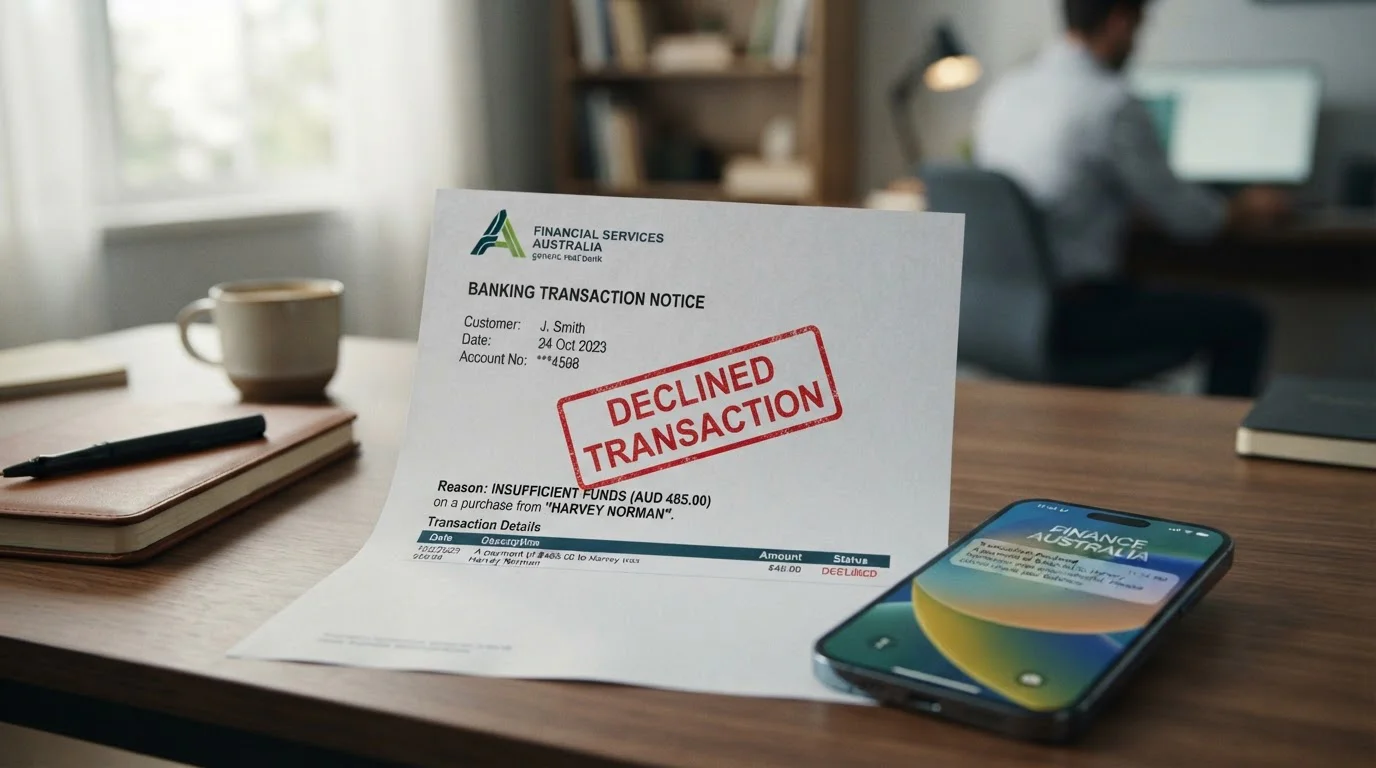
Speed matters in gambling more than most crypto use cases. You’re not sending a payment to settle later—you’re funding a balance to play right now. Solana’s 400-800 millisecond finality means your deposit confirms before you finish reading the casino’s terms. Withdrawals hit your wallet while competitors’ Bitcoin transactions are still waiting for the first block confirmation.
The Australian banking situation made this trade-off clear: pay your bank’s fees and deal with declined transactions, or move to a crypto casino and control your own funds. Solana offered the best speed-to-cost ratio in the market. That’s not speculation. It’s why adoption accelerated here faster than in jurisdictions where traditional banking still works for offshore gambling.
The Legal Reality for Australian Players Using Solana Casinos
Are Solana casinos legal for Australian players in 2026?
Yes for players, no for operators. The Interactive Gambling Act 2001 prohibits online casino services from being provided to persons physically present in Australia. The law targets operators, not players. Enforcement falls to the Australian Communications and Media Authority, which blocks domains, issues cease-and-desist notices, and occasionally fines operators. Penalties for players don’t exist under the IGA framework.
The August 2026 Interactive Gambling Amendment (Gambling Reform) Act tightened the screws on offshore operators. New provisions ban inducements to vulnerable customers, strengthen the BetStop national self-exclusion register, and give ACMA enhanced enforcement powers. The changes took effect 1 January 2027. None of this changes player-side legality. You’re not breaking Australian law by depositing SOL at an offshore casino. You’re operating outside Australian consumer protections.

What that means in practice: if an offshore casino refuses to pay your winnings, Australian law won’t help you recover funds. Curaçao licenses carry weight in their own jurisdiction but provide no recourse through Australian courts. Some operators include independent adjudicator clauses in their terms, which gives you third-party dispute resolution. Most don’t.
The tax angle adds another layer. Australian Tax Office guidance treats crypto gambling winnings as assessable income if gambling is your trade or business. Recreational players generally don’t pay tax on winnings, but capital gains tax applies to the SOL itself if it appreciated between acquisition and use. You bought SOL at $120, it hit $180 when you deposited it at a casino—that $60 gain per coin is a CGT event. The casino part is separate. Nobody asks the ATO for gambling tax advice because the answer depends on facts and circumstances they’ll assess retroactively.
Offshore Solana casinos exist in a legal gray zone: player-legal under Australian law, operator-illegal, consumer-protection-absent, tax-complicated. That’s the reality in 2026, and nothing about Solana’s blockchain changes the legal framework that applies to the activity happening on top of it.
How Solana Beats Bitcoin and Ethereum for Casino Gaming
Speed and cost are quantifiable. Solana processes 1,000-4,000 transactions per second in real-world conditions. Bitcoin handles 15-30. Ethereum manages 15-30 on Layer 1, higher on Layer 2 rollups but with added complexity. Average Solana transaction cost sits at $0.00025. Bitcoin fees range from $0.50 to $5 depending on network congestion. Ethereum Layer 1 swings from $0.10 to $50-plus during peak demand.
| Cryptocurrency | Transaction Time | Average Fee | Confirmation Finality |
|---|---|---|---|
| Solana (SOL) | 1-2 seconds | $0.00025 | 400-800 milliseconds |
| Bitcoin (BTC) | 10-60 minutes | $0.50-$5.00 | 10-60 minutes (1-6 blocks) |
| Ethereum (ETH) | 1-5 minutes | $0.10-$50+ (volatile) | 1-5 minutes |
How fast are Solana casino deposits and withdrawals compared to Bitcoin?
Solana deposits confirm in under 2 seconds. Bitcoin deposits take 10-60 minutes depending on network congestion and fee priority. Withdrawals follow the same pattern: Solana hits your wallet in seconds, Bitcoin requires block confirmations that span minutes to an hour. Real-world casino experience favors Solana overwhelmingly for speed.

The technical difference matters more in practice than those numbers suggest. Bitcoin’s 10-minute block time is a protocol feature—you can’t speed it up by picking a better casino. Solana’s sub-second finality is baked into the chain. The casino’s internal processing adds time on the withdrawal side, but the blockchain component is near-instant for SOL and structurally slow for BTC.
Critical distinction competitors rarely mention: not all Solana casinos actually hold your SOL in your balance. Some convert deposits to a house token or fiat equivalent immediately. You get one fast Solana transaction on the way in, but your balance is no longer cryptocurrency. When you withdraw, the casino converts back to SOL and sends it, which still beats Bitcoin’s speed but loses Solana’s internal advantage. Casinos that hold native SOL in player balances—Stake, Cloudbet, BC.Game confirmed—deliver the true speed and fee benefit for the entire deposit-play-withdraw cycle.
Moonbet goes further. It’s built natively on Solana’s blockchain with smart contracts executing game logic on-chain. Results publish to the Solana network before appearing on your screen. That’s not just “accepts SOL”—it’s a casino running on Solana infrastructure. The difference shows in transparency and withdrawal speed, though the model is still rare in 2026.
Solana beats Bitcoin and Ethereum for casino gaming because gambling is latency-sensitive and fee-conscious. A $50 Ethereum withdrawal fee wipes out a modest win. An hour-long Bitcoin deposit confirmation kills the experience when you’re trying to play. Solana solved both problems, and the Australian market noticed.
Top Solana Casinos for Australian Players—The Full Comparison
Twelve offshore Solana casinos accept Australian players in 2026. Licensing sits mostly in Curaçao with a few Anjouan and Panama exceptions. None operate under Australian licenses—the IGA prohibits that. What distinguishes one from another comes down to withdrawal speed, limits, game selection, and how honestly they disclose terms.
| Operator | License | Withdrawal Speed | Minimum Deposit | Distinguishing Feature |
|---|---|---|---|---|
| BC.Game | Anjouan | Fast crypto (manual review first time) | $5 equivalent | 100+ coin support; withdrawal cap tightens when winning |
| Stake.com | Curaçao | Instant post-verification | Not specified | 6,000+ games; transparent VIP program |
| Cloudbet | Curaçao OGL/2024/328/0599 | Under 1 minute for SOL/USDC | Not specified | Oldest operator (2013); no withdrawal ceiling |
| Wild.io | High Safety Index 8.3 | ~10 minutes average | Not specified | Fast cashouts; automatic daily rewards |
| Rollbit | Curaçao | Positive community ratings | Not specified | Native RLB token; NFT integration |
| BetOnline | Panama | Sub-hour crypto payouts | Not specified | Hybrid fiat/crypto; $25K SOL ceiling |
| FortuneJack | Curaçao | Instant claimed | Not specified | Since 2014; conservative 11-coin list |
| Moonbet | Blockchain-based | Under 5 minutes; zero KYC first cashout | $50 | Solana-native; on-chain smart contracts |
| Thrill | Curaçao (assumed) | Not specified | Not specified | 15 coins across 11 networks |
| 1xBit | Curaçao | Not specified | Not specified | 35 coin support; 40+ languages |
| Shazam Casino | Curaçao (assumed) | Fast (emphasized) | Not specified | Mobile-optimized; newer platform |
| Super Slots | Curaçao | Crypto payouts noted | Not specified | US-facing; slots specialty |
Which Solana casino has the fastest withdrawals?
Wild.io averages 10-minute cashouts. Cloudbet processes SOL and USDC withdrawals in under 1 minute per player reports. Moonbet claims under 5 minutes with zero fees beyond blockchain costs. Real-world speed depends on whether you’ve completed KYC—first withdrawals trigger manual review at most platforms, adding 24-72 hours regardless of blockchain speed.
BC.Game
The oldest heavyweight on the list, launched as a crypto-native platform supporting 100+ cryptocurrencies including SOL. Operates under an Anjouan license, which sits lower on the regulatory stringency ladder than Curaçao or Malta but remains functional for offshore gambling. Game library reaches 10,000+ titles spanning provably fair Originals, third-party slots, live dealers, and a full sportsbook. Native BC token integrates staking and yield vault features for users treating the platform as part of a broader crypto portfolio.
Withdrawal terms deserve scrutiny. The base limit sits at 10,000 EUR per month for standard accounts. That ceiling drops to 5,000 EUR when your balance exceeds ten times your total deposits—a detail buried in terms that penalizes winning streaks. Minimum crypto withdrawal starts at 21 USDT or equivalent in BTC (0.000874) and ETH (0.0201). Fast crypto cashouts work in practice, but expect manual review on your first withdrawal and any large cashout regardless of prior verification. The Monthly Deposit Bonus runs a four-stage ladder from 180% to 360% with code vipgrinders, $5 minimum on stage one, resetting at 00:00 UTC monthly. That sounds generous until you read the wagering requirements—40-50x playthrough pushes the bonus into “nice if you were planning to play anyway” territory, not free money.
Stake.com
Medium Rare N.V. runs Stake from Curaçao, operating since 2017 with the largest game library here. 6,000+ games, 20+ cryptocurrency support including SOL, Stake Originals for provably fair in-house titles, live casino, and a sportsbook that competes with dedicated sports betting platforms. The VIP program operates transparently—tier structure published, personal VIP hosts for higher levels, no opaque “by invitation only” mystery. Instant crypto withdrawals are claimed and largely delivered post-verification.
Brand recognition runs high. UFC, Drake, Everton FC, Formula 1 sponsorships—Stake puts marketing budget into visibility, which translates to liquidity and player traffic. Australian player base is substantial per review volume and community discussion. That scale brings operational maturity: customer support responds, withdrawals process, technical issues get resolved. The flip side is KYC inevitability. “No KYC” deposits work, but your first withdrawal triggers identity verification. Processing time sits at 24-72 hours for manual review, faster once you’re in the system. Stake holds SOL natively in balances, so you get true blockchain-speed advantages for deposits and repeat withdrawals.
Cloudbet
Halcyon Super Holdings B.V. launched Cloudbet in 2013, making it the longest-operating platform here. Started as a Bitcoin sportsbook, expanded to 30+ cryptocurrencies including SOL, added casino games over time. Curaçao Gaming Authority license OGL/2024/328/0599. Sportsbook remains the operational focus—esports coverage, Bet Builder feature, Pulse live betting—but the casino section carries 100+ games and covers table standards.
Withdrawal ceiling doesn’t exist post-verification. That’s unusual. Most crypto casinos cap monthly or per-transaction limits. Cloudbet’s terms allow unlimited withdrawals once you’ve cleared identity verification, which matters for high-stakes players or anyone who hits a large win. Fee structure is transparent: no deposit fees, withdrawal fees cover blockchain network costs only, no hidden margin. Independent adjudicator clause in the terms is the only such provision here set—binding third-party dispute resolution if you and the casino can’t resolve a complaint. SOL and USDC withdrawals settle under 1 minute per multiple player reports. The interface shows its age, but operational reliability beats modern design for users prioritizing function.
Wild.io
Launched 2022 as a crypto-first casino and sportsbook. License jurisdiction isn’t prominently disclosed, common for newer crypto casinos, but Casino.guru assigns a High Safety Index of 8.3 based on operational review. Game library claims 10,000+ titles spanning slots, live dealers, Originals, and sports betting. Supports 12+ cryptocurrencies including SOL.
Ten-minute average cashout time is the standout metric. That number appears across independent reviews and player reports consistently. Most casinos claim “instant” withdrawals but deliver 30-60 minutes or trigger manual review queues. Wild.io processes cashouts quickly enough that the 10-minute figure holds up under scrutiny. Automatic everyday rewards eliminate the manual claiming loop common on competitor platforms—play, earn, rewards appear in balance without clicking through promotional mazes. Privacy focus runs strong until withdrawal, where KYC verification kicks in as expected. Welcome bonus is large with fair wagering terms per CryptoSlate review—specific figures vary by deposit amount, but playthrough requirements sit on the reasonable end of the industry standard 35-50x range.
Rollbit
Crypto-native platform with a hybrid model: casino, crypto futures trading, NFT marketplace integration. Curaçao license. Native RLB token provides utility and staking mechanics, creating a token ecosystem beyond gambling alone. SOL support confirmed. Slots, live tables, provably fair Originals cover the casino side. The futures section is unusual—most casinos don’t offer leveraged crypto derivatives trading alongside blackjack, but Rollbit targets users treating crypto as a portfolio rather than just payment rails.
NFT integration goes beyond profile pictures. Some game mechanics involve NFTs as in-game items or collectibles, and the marketplace allows trading. That appeals to Web3-native users who already hold NFTs and want an integrated platform. Withdrawal times rate positively in community discussions, though specific figures vary by crypto. RLB token mechanics mean some users treat Rollbit as a DeFi platform that happens to have a casino attached. That’s a different value proposition than pure gambling operators, and it shows in user base demographics—younger, more crypto-native, less interested in traditional fiat-to-crypto bridges.
BetOnline
Operating since 2001, BetOnline brings a hybrid fiat-crypto model rare here. Panama license. Accepts US and international players including Australians, which is uncommon—most crypto casinos avoid US exposure due to regulatory complexity. Traditional casino games, sportsbook, poker room. Crypto support includes SOL alongside credit cards, bank wires, and other fiat methods.
$25,000 SOL withdrawal ceiling noted in reviews. That’s higher than pure-crypto platforms in many cases—BC.Game caps at 10K EUR, others don’t disclose or operate on tiered limits. Established 2001 reputation provides operational track record that newer crypto casinos lack. Sub-hour cashouts for crypto confirmed. The hybrid model appeals to players transitioning from traditional online gambling to crypto, or those who want fiat options as backup. You’re not getting the cutting-edge Web3 experience here, but you’re getting a functional betting platform that has processed payouts for over two decades.
FortuneJack
Launched 2014, FortuneJack occupies the conservative middle ground. Curaçao license. Eleven cryptocurrencies accepted—SOL among them—but the coin list is deliberately smaller than competitors running 30-100+ options. That suggests operational focus on stability over breadth. Game lobby sits at 3,120+ titles, slots-focused, with provably fair games and a standard live dealer section.
Mission-based welcome bonus structure is unique in this set. Most casinos offer deposit match percentages with wagering requirements. FortuneJack leans toward free spins via missions—complete objectives, earn spins, playthrough applies. Active loyalty program rewards repeat play. Interface is functional but dated per multiple reviews. The platform hasn’t undergone the design refresh that newer competitors launch with, which matters if aesthetics drive your choice but less so if you prioritize operational reliability. Instant payouts claimed, and the 2014 track record backs that up—FortuneJack has been processing crypto withdrawals longer than some competitors have existed.
Moonbet
Launched late 2025, Moonbet is the only true Solana-native casino here. Built directly on Solana blockchain with smart contracts executing game logic on-chain. Results publish to the network before displaying on screen, which provides blockchain-level transparency beyond standard provably fair cryptography. Crypto-only, no fiat. 200% deposit match up to $100,000 or 1 BTC, $50 minimum deposit. Claims 10,000+ casino games plus sportsbook integration.
Reddit community favor ran strong in early 2026—Best Bitcoin Casino community pick per multiple sources. Withdrawal in under 5 minutes with zero fees beyond blockchain costs, which for Solana means fractions of a cent. Zero KYC on first cashout per review test, though this may not scale as the platform matures and regulatory pressure increases. On-chain smart contract execution differentiates Moonbet from casinos that simply accept SOL—the infrastructure runs on Solana, not just the payment rails. That appeals to Web3-native users who value blockchain transparency and distrust traditional server-side casino logic. Australian players noted specifically in multiple 2026 sources, suggesting targeted outreach or organic adoption in this market.
Thrill
Multi-network approach sets Thrill apart: 15 cryptocurrencies across 11 blockchain networks including Solana. Curaçao license assumed based on industry norms, though specific license details aren’t prominently disclosed. Slots, live dealer, table games standard. The technical sophistication required to integrate 11 distinct blockchain networks suggests solid infrastructure, and multi-chain flexibility appeals to users holding diverse crypto portfolios.
You won’t find detailed withdrawal timing data or standout features in available sources. Thrill operates as a functional multi-chain casino without the marketing presence of Stake or the niche positioning of Moonbet. That’s not a weakness if you’re holding SOL alongside other coins and want one platform to handle everything. Just don’t expect the cutting-edge experience or the deep liquidity of larger operators.
1xBit
Large international operation with 35 cryptocurrency support including SOL. Curaçao license. Massive sportsbook, casino games, esports betting. Geographic coverage spans 40+ languages—one of the broadest international footprints in online gambling. The platform handles volume, which shows in liquidity and betting market depth.
Australian players accepted without issue. Withdrawal speeds aren’t prominently detailed in reviews, but scale suggests operational maturity. The 35-coin list balances breadth with manageability—wider than FortuneJack’s conservative 11, narrower than BC.Game’s 100+, which implies deliberate operational choices rather than adding every token that launches. Sportsbook and esports focus differentiate 1xBit from casino-primary operators. If you’re splitting time between casino games and sports betting, the integrated platform saves juggling balances across sites.
Shazam Casino
Newer crypto casino with SOL support. Curaçao license assumed but not confirmed in available sources. Slots and table games. Fast payouts emphasized across the limited available reviews. Mobile optimization noted as a strength—interface designed for phone use, which matters given mobile gambling traffic dominance in 2026.
Limited public ownership and operational details are common for newer crypto casinos. Shazam operates, processes deposits and withdrawals, appears in multiple 2026 Solana casino rankings. You won’t find the deep track record of FortuneJack or Cloudbet, but newer platforms sometimes deliver better user experience precisely because they lack legacy technical debt. The trade-off is operational risk—established platforms have survived years of market volatility and regulatory pressure, new ones haven’t been tested yet.
Super Slots
US-facing casino with crypto support including SOL, which is rare. Most crypto casinos avoid US players due to complex state-by-state regulations and federal enforcement risk. Curaçao license. Accessible to Australians despite US focus. Slots specialty reflects in the name—game library leans heavily toward slot machines, with live dealer and table games as secondary offerings.
Hybrid fiat/crypto model like BetOnline but newer platform. Crypto payouts noted in reviews without specific timing data. The US-facing angle is unusual enough to warrant mention—if you’re splitting time between US and Australian locations or want a platform with US player liquidity, Super Slots delivers that niche. For pure Australian use, you’re getting a functional slots-focused casino that accepts SOL without any particular standout feature beyond market positioning.
What You Can Play: Solana Casino Games Explained
Game selection at Solana casinos splits into three categories: provably fair Originals built by the casino, third-party slots and live dealer games licensed from studios, and sportsbook integrations. The technology behind each category differs, and so does the transparency.
Provably Fair Originals (Crash, Dice, Plinko)
Crash, Dice, Plinko, Mines, Keno, Coin Flip—these are house games using commit-reveal cryptography. The casino generates a server seed, hashes it, and publishes the hash before you bet. You provide a client seed. The game combines server seed, client seed, and a nonce (incrementing counter) to produce the outcome. After the round, the casino reveals the unhashed server seed. You verify the math yourself: hash the revealed server seed, confirm it matches the pre-bet hash, recompute the outcome using server seed + client seed + nonce, check that the result on screen matches your computation.
House edge sits transparent: Crash typically 1%, Dice 1%, stated in game rules. No hidden margin. The cryptographic verification means the casino can’t manipulate results retroactively—the server seed was committed before you bet, and the hash proves it wasn’t changed.
What makes a casino “provably fair” and how do I verify it?
Provably fair uses cryptographic commit-reveal: the casino commits to a server seed by publishing its hash before your bet, you provide a client seed, the combination generates the outcome, then the casino reveals the unhashed server seed so you can verify the hash matches and recompute the result. To verify: copy the server seed, client seed, and nonce from the completed bet, hash the server seed using the stated algorithm (usually SHA-256), confirm the hash matches the pre-bet commitment, then recompute the outcome using the formula in the game’s provably fair documentation. If the result matches what you saw on screen, the round was fair.
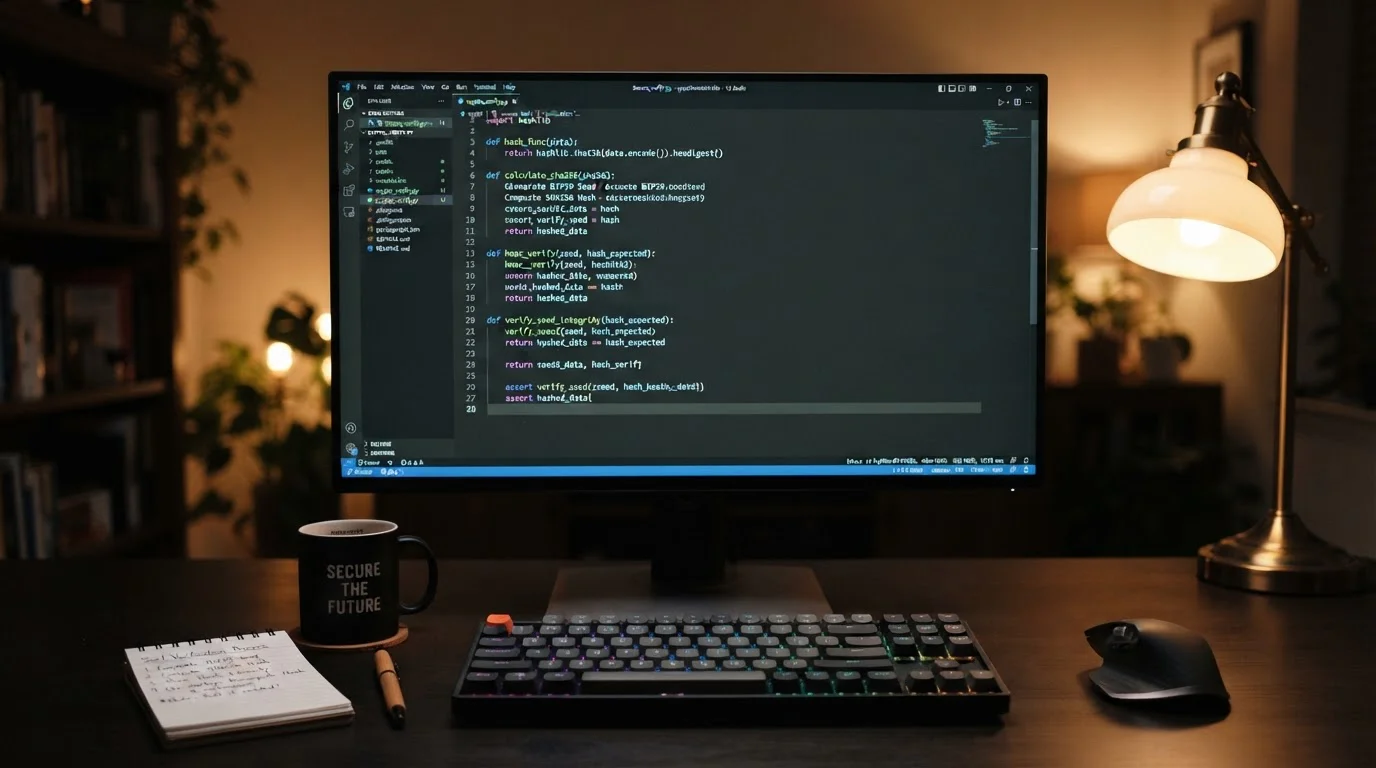
Most players don’t verify every bet—doing the hash computation manually is tedious—but the ability to verify is what matters. Third-party verification tools exist for popular games. Some casinos provide built-in verifiers that replay the seed math on demand. The point is transparency: you can check, which means the casino has no incentive to cheat since they’d get caught immediately.
Third-Party Slots and Live Dealer
Third-party content comes from studios: Pragmatic Play, Evolution Gaming, NetEnt, BGaming, others. These aren’t provably fair in the cryptographic sense—game logic runs on the provider’s servers, not on-chain, and you can’t recompute outcomes yourself. They’re audited by third parties (eCOGRA, iTech Labs, GLI) who verify RNG fairness and stated RTP percentages.
Stake.com carries 6,000+ games in this category. BC.Game claims 10,000+. Wild.io lists 10,000+. The numbers are marketing-inflated—many titles are reskins or minor variants—but the breadth is real. Live dealer tables use real cards and real wheels streamed from studios, which removes RNG concerns entirely since you’re watching physical randomness happen in real time.
Sports Betting and Esports
Sportsbook integrations appear on Stake, Cloudbet, BC.Game, 1xBit, and others. This isn’t casino gaming, but SOL works the same way: deposit, bet, withdraw. Odds are set by the casino’s trading desk or pulled from liquidity pools. Esports coverage varies—1xBit and Stake run deep markets on CS:GO, Dota 2, League of Legends, Valorant. Traditional sports operate alongside.
Solana’s speed advantage matters less for sports betting since bet settlement waits for match outcomes, but deposit and withdrawal speed still beats Bitcoin and Ethereum by the same margins discussed earlier. The distinction is whether you’re choosing a Solana casino for provably fair crypto-native games or using it as payment rails for traditional gambling content. Both work. The experience differs.
Bonuses, Promotions, and the Fine Print
Solana casino bonuses follow the same structure as fiat gambling sites: deposit match percentages with wagering requirements. BC.Game offers 180%-360% across four stages. Moonbet advertises 200% up to $100,000 or 1 BTC. Stake and Cloudbet run promotions but emphasize VIP programs over upfront bonuses. Those percentages look large until you read playthrough terms.
Wagering requirements range 35x to 50x at most crypto casinos. A $100 deposit with a 200% bonus gives you $300 in balance, but you must wager $10,500 to $15,000 (35x-50x the bonus amount) before withdrawing. Games contribute differently: slots usually 100%, table games 10-20%, live dealer sometimes excluded entirely. Provably fair Originals vary by platform—some count fully, others apply reduced contribution.
The “free money” rhetoric breaks down under math. A $300 starting balance with 50x wagering means you’re playing through $15,000 in total bets at house edge rates. Slots average 3-5% house edge, so the casino expects to extract $450-750 from that playthrough. You started with $200 of real value (your $100 deposit plus $100 of actual bonus value after rake), and statistically you’ll end up below where you began. Bonuses work if you were planning to play that volume anyway and the bonus adds cushion. They don’t work as profit mechanisms.
Crypto bonuses often exclude certain games entirely or cap bet size during playthrough. Check terms before accepting. The biggest catch: many casinos void bonus and winnings if you withdraw before meeting playthrough, even if you’re withdrawing only your original deposit. That locks your funds into completion or forfeiture.
VIP programs at Stake and BC.Game provide ongoing rewards—cashback, rakeback, level-up bonuses—that often outvalue one-time deposit bonuses for regular players. Transparent tier systems beat opaque “by invitation only” structures. Look for published tier requirements and reward schedules. Anything vague is a red flag.
KYC, Withdrawals, and What “No KYC” Really Means
Most Solana casinos advertise “no KYC” for deposits and gameplay. That’s accurate: you can create an account with an email address, deposit SOL, and play without uploading identity documents. The verification requirement hits when you withdraw.
Do I need KYC verification to withdraw from Solana casinos?
Yes, at most platforms, on your first withdrawal or when cashout amount crosses a threshold. Cloudbet, Stake, BC.Game, and most Curaçao-licensed casinos trigger identity verification on initial withdrawal. Required documents: government-issued ID, proof of address (utility bill or bank statement), selfie holding ID. Manual review takes 24-72 hours. Subsequent withdrawals process faster if under the threshold. High-value cashouts ($10,000+) always trigger manual review regardless of prior verification.
Moonbet claims zero KYC on first cashout per early 2026 reviews, but that posture rarely survives regulatory pressure or scale. Small platforms can operate under the radar. Large platforms attract regulator attention and implement KYC to maintain licensing. Expect verification requirements to tighten as platforms mature.
Can I keep SOL in my casino balance or does it get converted?
Depends on the casino. Stake, Cloudbet, and BC.Game hold native SOL in player balances. You deposit SOL, your balance shows SOL, you withdraw SOL. Others convert deposits to house tokens or fiat equivalents immediately—you get one fast Solana transaction on the way in, but internal balance is no longer cryptocurrency. Moonbet operates on-chain with smart contracts, keeping crypto native throughout. Check the casino’s wallet interface: if it shows SOL balance that fluctuates with SOL market price, it’s holding native crypto. If the balance is denominated in USD or a house token and stays stable regardless of crypto price movement, they converted your deposit.
The practical difference: native SOL holdings let you benefit from price appreciation while playing and maintain true blockchain-speed advantages on withdrawal. Converted balances eliminate price volatility risk (your $100 deposit stays $100 in play value even if SOL drops) but lose Solana’s technical edge and introduce conversion spread as a hidden fee.
Withdrawal timing varies by casino and verification status. First-time withdrawals almost always require 24-72 hours for manual review, even at platforms claiming “instant” cashouts. Repeat withdrawals process faster: Wild.io averages 10 minutes, Cloudbet under 1 minute for SOL/USDC, Moonbet under 5 minutes. Those numbers apply post-verification. Factor in the initial identity check when planning your first cashout.
No-KYC casinos exist—smaller platforms, often anonymous ownership—but they carry higher risk. No regulatory oversight means no recourse if the casino refuses to pay. The trade-off between privacy and consumer protection is real. Choose deliberately.
How to Get Started: Depositing and Playing with Solana
Practical steps from zero to playing at a Solana casino as an Australian player:
Acquire SOL. Use an Australian exchange like CoinSpot, Swyftx, or Binance Australia. Fund your exchange account via bank transfer or card. Buy Solana. Minimum useful amount: $50-100 worth to cover casino minimum deposits and leave room to play.
Set up a Solana wallet. Phantom and Solflare are the most common. Browser extensions and mobile apps both work. Install, create a new wallet, back up your seed phrase (12 or 24 words—write it down offline, never store digitally). The wallet generates a Solana address, a string starting with letters and numbers. This is where you’ll receive SOL from the exchange and where you’ll withdraw from the casino.
Transfer SOL from exchange to wallet. In your exchange account, navigate to Solana withdrawal. Paste your wallet address. Send a test transaction first—$10-20 worth—to confirm the address is correct. Once confirmed, transfer the rest. Solana transactions settle in seconds, so you’ll see the balance appear in your wallet almost immediately.
Choose a casino from the list above. Open the site, create an account. Email and password usually sufficient, no documents required at this stage. Navigate to the deposit section. Select Solana as deposit currency. The casino displays a Solana address. Copy it.
Send SOL from your wallet to the casino address. Open your Phantom or Solflare wallet, initiate a send transaction, paste the casino’s deposit address, enter the amount, confirm. Transaction settles in 1-2 seconds. Refresh the casino balance page. Your deposit appears almost instantly.
Play. Browse the game library, pick a slot or provably fair Original, place bets. Your balance updates in real time. If you’re playing third-party slots, game logic runs on the provider’s servers. If you’re playing provably fair Originals, you can verify outcomes cryptographically (covered earlier).
Withdraw winnings. Navigate to the casino’s withdrawal section. Select Solana, enter the amount, paste your wallet address. First-time withdrawals trigger KYC verification—upload ID, proof of address, selfie. Wait 24-72 hours for manual review. Once approved, future withdrawals process much faster. SOL arrives in your wallet within minutes (or seconds at fast platforms like Wild.io and Cloudbet). From your wallet, you can hold SOL, transfer back to an exchange and sell for AUD, or spend directly where SOL is accepted.
The entire loop—buy SOL, deposit, play, withdraw—takes minutes once you’re past first-time KYC verification. Traditional banking routes for offshore gambling involve card declines, wire transfer delays, and bank scrutiny. Solana eliminates all three at the cost of price volatility and the upfront learning curve of crypto wallets.
The Risks Nobody Talks About
Crypto casinos pitch speed and privacy. They don’t emphasize the downsides unless you dig into terms and risk disclosures. Here’s what gets glossed over.
Solana network outages. The network experienced multiple full or partial outages in 2022-2024. Performance degradation, transaction failures, hours-long downtime. The Firedancer upgrade targeted for late 2026 aims to fix underlying issues, but Solana’s stability track record is worse than Bitcoin and Ethereum historically. When the network halts, your deposit transaction doesn’t confirm. If you’re mid-game when an outage hits, the casino’s systems may freeze or reject bets until the network recovers.
What happens if the Solana network goes down while I’m playing?
Most casinos pause game activity and hold balances until the network recovers. Deposits and withdrawals fail during downtime. Open bets depend on game type: provably fair Originals usually roll back or void, third-party slots may complete server-side and settle once connectivity returns. Casinos can’t process Solana transactions when the blockchain isn’t producing blocks. Recent network improvements (2025-2026) reduced outage frequency, but the risk isn’t zero.
Irreversibility. Blockchain transactions are final. Send SOL to the wrong address, and it’s gone. No chargeback, no reversal, no bank dispute process. That cuts both ways: casinos can’t reverse your winnings withdrawal either, but user error costs more in crypto than in traditional finance where mistakes can sometimes be undone.
Price volatility. SOL fluctuates. You deposit $100 worth at $150/SOL, play for an hour, and SOL drops to $130. You withdraw the same amount of SOL you deposited, but it’s now worth $87 AUD. Or the inverse: SOL pumps, and your 1 SOL deposit is worth $200 when you withdraw. Casinos that hold native SOL balances expose you to this. Casinos that convert to house tokens eliminate it.
Are Solana casino winnings taxable in Australia?
Recreational gambling winnings are generally not taxable in Australia, but the ATO treats crypto gains as capital gains tax events. If you bought SOL at $120 and used it at $180, that $60 gain per coin is assessable for CGT. The gambling outcome (whether you won or lost at the casino) is separate from the crypto price movement. Professional or business gambling income is taxable. Specifics depend on individual circumstances, and ATO guidance recommends record-keeping for all crypto transactions.

Offshore risk. You’re using casinos with Curaçao, Anjouan, or Panama licenses. These aren’t scams—they’re legitimate offshore gambling operations—but they operate outside Australian consumer protections. If a casino withholds winnings, your recourse is limited to the casino’s own dispute process or the licensing authority, which for Curaçao means filing a complaint with the gaming control board that may or may not respond. Cloudbet’s independent adjudicator clause is an exception, not the rule.
Anonymity isn’t absolute. Blockchain transactions are pseudonymous, not anonymous. Your wallet address is public, and all transactions are permanently recorded on the Solana blockchain. Sophisticated chain analysis can link wallets to identities, especially if you move funds between an exchange (where you completed KYC) and a casino. True anonymity requires operational security most users don’t implement.
The upside—speed, low fees, bank independence—comes with these downsides. Weigh them before depositing. Offshore crypto gambling isn’t riskier than offshore fiat gambling in terms of legal exposure, but it introduces technical and financial risks fiat doesn’t carry.
Responsible Gambling and When to Walk Away
Crypto gambling eliminates friction. No bank decline, no waiting period, no cooling-off mechanism. That’s the selling point and the danger. You can deposit SOL and start playing in under 30 seconds. Losing a balance and reloading takes another 30 seconds. Speed is risk when the thing being sped up is financial loss.
Offshore casinos operate outside Australia’s responsible gambling framework. BetStop doesn’t apply—it’s a national self-exclusion register for Australian-licensed operators, and none of these casinos hold Australian licenses. If you self-exclude from Stake, nothing prevents you from signing up at BC.Game under a new email.
Set deposit limits manually. Most casinos offer session time limits, loss limits, and deposit caps in account settings. Use them. Crypto volatility compounds gambling volatility: a losing streak hits harder when SOL’s price drops simultaneously.
Crypto transactions are irreversible, which means chargeback protection doesn’t exist. In traditional gambling, a disputed transaction might get reversed if the operator acted improperly. In crypto, the transaction is final the moment the blockchain confirms it. That removes one consumer protection layer.
Signs to stop: chasing losses, depositing more than planned, gambling with money needed for bills, borrowing to gamble, lying about time or money spent. These apply regardless of whether you’re using SOL or AUD, but crypto’s speed makes the spiral faster.
Help resources: Gambling Help Online (1800 858 858, available 24/7 for Australians), Lifeline (13 11 14), Beyond Blue (1300 22 4636). These services are free and confidential.
Solana casinos are tools. Used within limits, they provide entertainment with better transaction economics than Bitcoin or Ethereum gambling. Used compulsively, they’re high-speed financial risk engines with no regulatory brakes. The blockchain doesn’t care about your financial situation. The casino’s revenue model depends on aggregate player losses. Walk into this clear-eyed.
Crypto Casinos Australia 2026 — Bitcoin, Ethereum, USDT, Solana
Content created by the «Aussie Cashier» team