
Casinos That Accept POLi in Australia 2026: The Payment Method Is Gone — Here's What Replaced It
 Available in AU
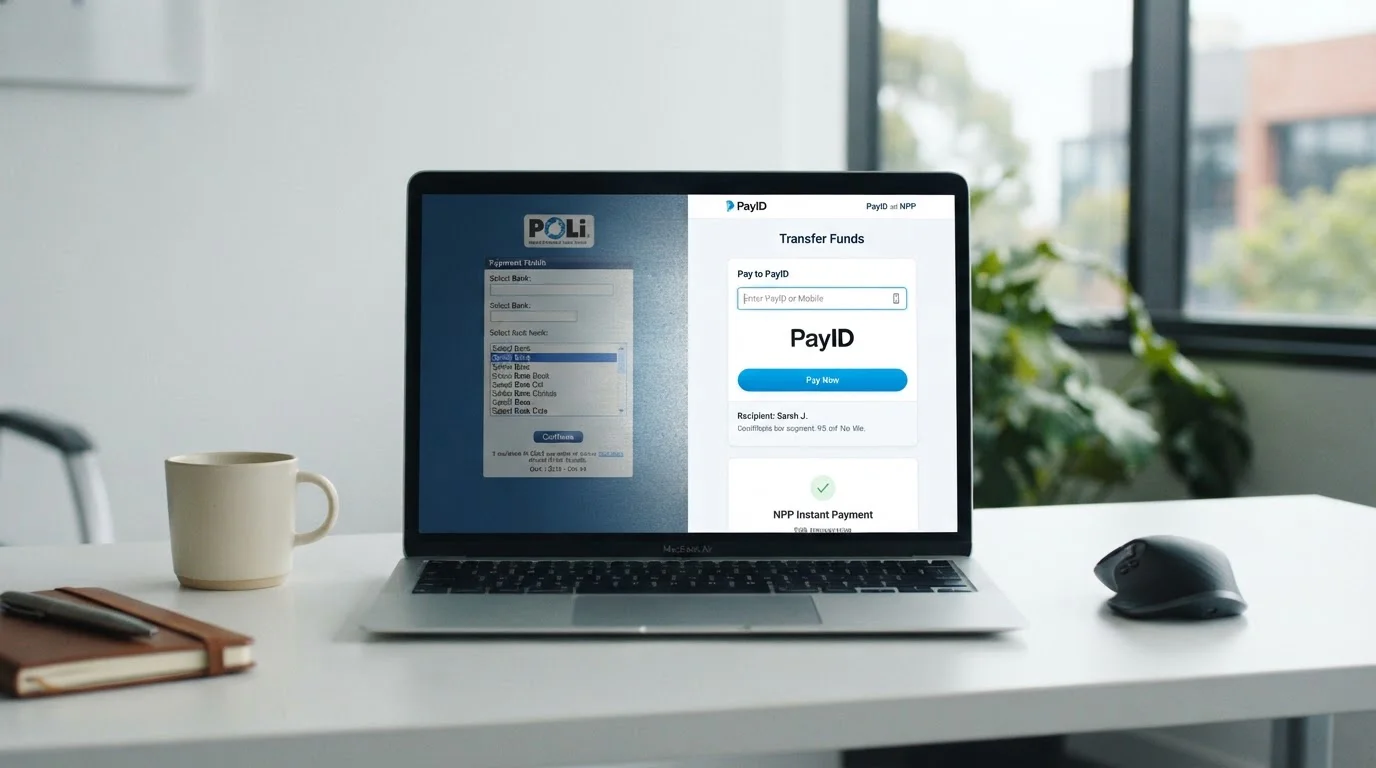
You searched for casinos accepting POLi in Australia. Bad news first: POLi doesn’t work here anymore. Australia Post shut it down on 30 September 2023, and every casino cashier still showing the POLi logo is either displaying a dead button or routing you elsewhere without telling you.
The good news: better options exist. PayID does what POLi did, faster and without the screen-scraping baggage. Instant bank transfers via the New Payments Platform handle the rest. Neosurf covers the prepaid niche, and crypto delivers the fastest withdrawals on record.
The list here maps the replacement landscape. The pages that follow cover why POLi vanished, which payment methods took its place, how each one works in practice, and which offshore casinos accept them in 2026. No filler, no zombie content pretending POLi still runs. Just the current Australian casino banking reality.
POLi Is Gone — What Happened and Why

POLi ceased Australian operations on 30 September 2023. Not a technical glitch. A planned wind-down.
Australia Post, which owned POLi via SecurePay, announced the closure months in advance as part of its Post26 Strategy — a portfolio simplification exercise aimed at cutting unprofitable services. POLi made the cut list because three forces converged: major Australian banks tightened access policies against credential-sharing payment gateways, the New Payments Platform rendered intermediaries obsolete by offering instant bank-to-bank transfers natively, and the cost of maintaining POLi’s screen-scraping infrastructure no longer justified the shrinking transaction volume.
POLi worked by logging into your online banking on your behalf. You’d select POLi in a casino cashier, enter your bank login details on POLi’s interface, and POLi would authenticate, initiate the transfer, and confirm it to the merchant — all in under ten seconds. The banks hated this model. Credential sharing violated their security policies, and POLi’s approach (scraping the bank’s front-end HTML to read balances and trigger transfers) broke every time a bank redesigned its login flow. Commonwealth, NAB, Westpac, and ANZ all began restricting POLi access in the years before the shutdown, forcing POLi into a maintenance nightmare.
Then the NPP arrived. Launched in February 2018, the New Payments Platform gave every Australian with online banking the ability to send instant transfers 24/7 without needing a middleman. POLi’s unique selling point — speed — evaporated overnight. By 2023, keeping POLi alive meant paying engineers to reverse-engineer bank login flows monthly while competing against a free, bank-native instant-transfer system that didn’t require credential sharing. Australia Post looked at the numbers and pulled the plug.
The shutdown affected only deposit functionality. POLi never supported withdrawals — you always needed a separate method to cash out — so no funds were trapped when the service closed. If you had a casino balance on 30 September 2023, you could still withdraw it via bank transfer, e-wallet, or crypto. The shutdown was clean.
New Zealand is a different story. POLi still operates there under new ownership (Merco took control in September 2023), but the Australian chapter is closed for good. Every “POLi casino Australia” page still ranking in 2026 is either outdated or deliberately misleading. The casinos themselves moved on. Most rebranded their “POLi deposit” buttons to “instant bank transfer” or added PayID options, sometimes without updating the fine print.
Why doesn’t POLi work at Australian casinos anymore?
POLi shut down Australian operations on 30 September 2023 because major banks restricted access to credential-sharing services, the New Payments Platform made instant transfers standard without needing an intermediary, and Australia Post decided the maintenance cost outweighed the revenue. The service continues in New Zealand but is permanently gone from Australia.
PayID — The Direct POLi Successor
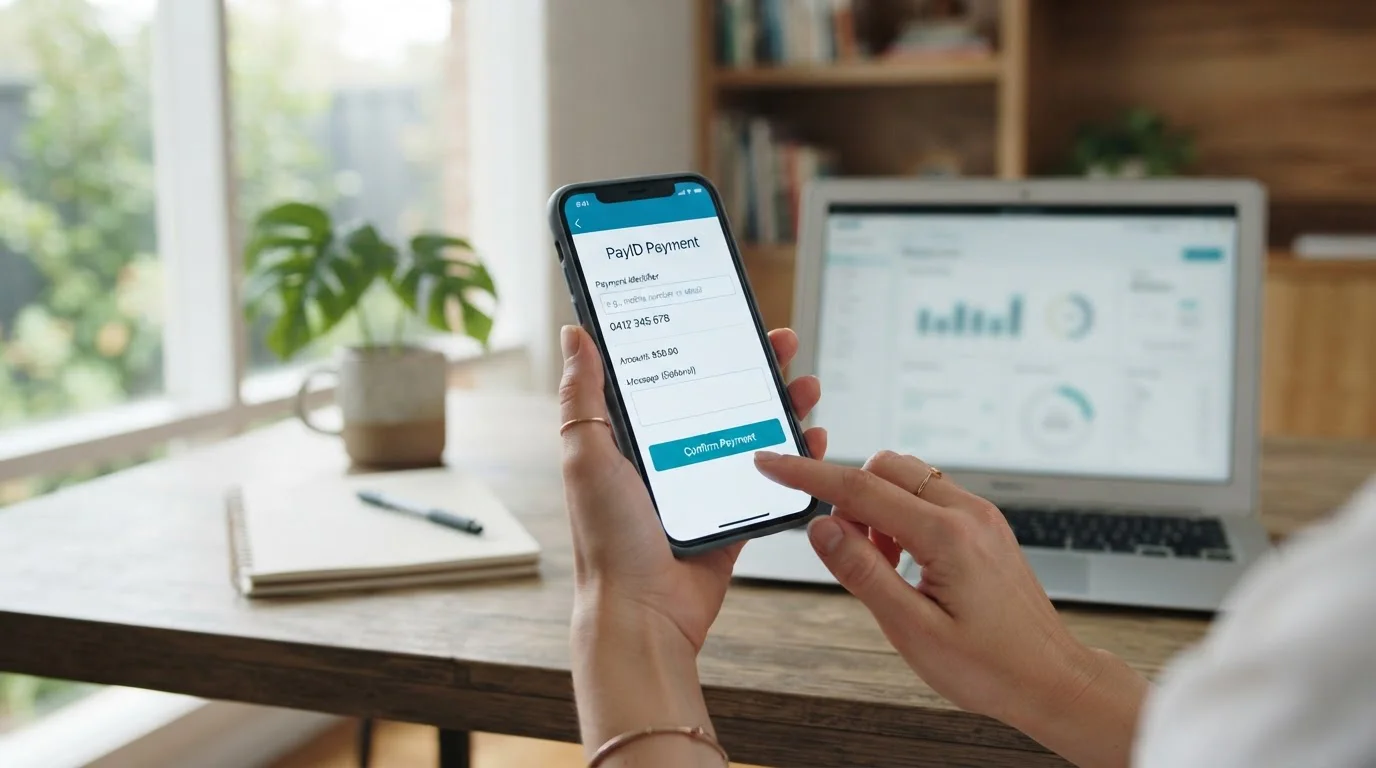
PayID is what POLi tried to be, without the credential-sharing mess. It’s an addressing service built on the New Payments Platform that links your bank account to an identifier — usually your mobile number or email — so you can send and receive money instantly without typing BSB and account numbers. For casino deposits, it’s faster, safer, and works at more operators than POLi ever did.
How PayID Works for Casino Deposits
Open a casino cashier, pick PayID, enter the deposit amount. The casino generates a payment request and displays its own PayID identifier (usually a phone number or email registered to the casino’s Australian account). You then open your banking app, select “PayID” or “Pay someone,” enter the casino’s PayID identifier, confirm the amount, and authenticate the transfer with your usual banking security (PIN, fingerprint, Face ID). The transfer hits the NPP rail and settles in under 60 seconds. Your casino balance updates, and you’re done.
No credential sharing. No third-party login. The casino never sees your bank details, and your bank never sees casino transaction descriptions beyond a generic payee name. The whole process takes as long as paying a phone bill.
Every major Australian bank supports PayID: Commonwealth, NAB, Westpac, ANZ, Bendigo, ING, Macquarie, and dozens of regional banks and credit unions. If your institution joined the NPP (which covers 90%+ of Australian accounts), PayID works. The casino end is simpler still — offshore operators integrated PayID by adding a single NPP-connected Australian bank account and registering a PayID identifier for it. Setup costs were minimal, and adoption spread fast.
Limits depend on your bank, not the casino. Most institutions cap single PayID transfers at $5,000–$10,000, with higher amounts requiring approval or splitting across multiple transactions. Casinos typically accept deposits from $10 upward, with no maximum beyond your bank’s limit. Zero fees on the NPP side; casinos rarely charge either, though a few operators add a 1–2% processing fee on deposits above $1,000. Check the cashier terms before confirming.
Security sits with your bank. PayID transfers use the same authentication your bank requires for any payment — two-factor via app, biometric, or SMS. The casino receives confirmation that funds arrived but never touches your login credentials. If a fraudulent PayID transfer occurs, your bank’s fraud protection applies just as it would for any other payment. The casino itself can’t reverse a PayID deposit once confirmed — standard for instant transfers — so double-check the amount before you authenticate.
What is PayID and how do I use it to deposit at a casino?
PayID links your bank account to your phone number or email so you can send instant transfers without BSB and account numbers. To deposit at a casino, select PayID in the cashier, note the casino’s PayID identifier displayed, open your banking app, choose “Pay someone” or “PayID,” enter the casino’s identifier and the deposit amount, then authenticate with your usual banking security. Funds arrive in under 60 seconds.
PayID Withdrawals — Speed and Reality
PayID withdrawals exist, but they’re not universal. About half the offshore casinos serving Australia accept PayID for deposits but pay withdrawals via standard bank transfer, which settles in one to three business days. The other half offer PayID cashouts, which hit your account in one to four hours once the casino approves the request. The bottleneck is never the payment network — it’s the casino’s internal processing queue.
Here’s the flow. You request a withdrawal, the casino flags it for review (fraud checks, wagering verification, document review if your account isn’t verified), and once approved, the finance team processes the payout. If the casino offers PayID withdrawals, they initiate an outbound NPP transfer to your registered PayID identifier. That transfer settles in seconds. If they don’t support PayID payouts, they send a standard bank transfer via BECS (the legacy batch settlement system), which takes one to three business days depending on the bank’s processing schedule.
Fast operators approve withdrawals within an hour. Mid-tier platforms take four to twelve hours. Slow ones batch approvals once or twice a day, adding 12–24 hours to the timeline. A “PayID withdrawal in one hour” claim usually means “one hour after approval,” not one hour from the moment you hit the button. If your account isn’t verified (ID documents uploaded and confirmed), add another 24–72 hours for manual review before the clock even starts.
To speed things up: verify your account immediately after registration, keep withdrawal amounts below the casino’s instant-approval threshold (usually $2,000–$5,000), and avoid requesting cashouts during peak hours (evenings AEST, weekends). Crypto is faster if speed is the only priority — Bitcoin and USDT withdrawals clear in 15 minutes to two hours once approved — but PayID cashouts still beat legacy bank transfers by a day or two.
Can I withdraw to PayID from an offshore casino?
Some casinos support PayID withdrawals, which settle in one to four hours after approval. Others accept PayID deposits but pay withdrawals via standard bank transfer, taking one to three business days. The delay is casino processing time, not the payment network — PayID transfers settle in seconds once initiated. Check the cashier or ask support whether PayID withdrawals are enabled before depositing.
Casinos Accepting PayID in 2026
| Operator | Licence | Deposit Min | Withdrawal Time | Bonus | Distinguishing Feature |
|---|---|---|---|---|---|
| Wild Tokyo | Curaçao | $10 | Instant–2 hours | Up to $5,300 + 620 FS | 4,000+ pokies, multi-method support |
| Goldenbet | Curaçao | $10 | Instant–2 hours | 100 AUD cash gift (no wagering) | Zero-wagering promo |
| RocketPlay | Curaçao | $30 | 1–3 business days | 100% to $500 + 100 FS | Dripped free spins (20/day) |
| SkyCrown | Curaçao | $20 | 1–3 business days | Up to $4,000 + 350 FS | $500 max cashout per bonus |
| Royal Reels | Curaçao | $30 | 1–3 business days | $10 no-deposit + 100% to $500 | Genuine no-deposit offer |
| Fair Go | Curaçao | $5 (Bitcoin), $20 (cards) | 1–3 business days | 100% to $200 (5×) | RTG exclusive, 30× wagering |
| Slots Gallery | Curaçao | $10 | Instant–2 hours | Up to $9,750 + 225 FS | 5,000+ games |
| Bizzo | Curaçao | $25 | 1–3 business days | Up to $7,250 + 175 FS | 70+ studios, $250+ for top tier |
Wild Tokyo
Wild Tokyo runs on a Curaçao licence and sources games from the usual offshore suspects — Evolution for live dealer, Pragmatic and BGaming for pokies. The platform accepts PayID deposits alongside crypto (Bitcoin, Ethereum, USDT), Apple Pay, and Google Pay. Minimum deposit sits at $10 across all methods. The bonus structure stretches to $5,300 plus 620 free spins across multiple deposits, with standard 40× wagering.
Withdrawal speed is the hook here. Wild Tokyo advertises instant to two-hour cashouts for PayID and crypto once the account is verified and the withdrawal approved. That timeline holds for amounts under $2,000; higher withdrawals may trigger additional checks. The game library tops 4,000 titles, skewing heavily toward pokies with a solid live dealer section. If you want variety and fast PayID payouts, Wild Tokyo delivers on both fronts.
Goldenbet
Goldenbet’s standout offer is a 100 AUD cash gift with zero wagering. Not a bonus that requires rollover — actual cash credited to your balance, withdrawable immediately after deposit. The catch is you need to deposit to unlock it, and the minimum varies by promotion (usually $20–$50). Once claimed, the 100 AUD is yours with no strings.
The platform accepts PayID, crypto, Apple Pay, and Google Pay. Minimum deposit is $10. Game library sits between 3,000 and 4,000 titles, covering pokies, live dealer, and table games. Withdrawal time matches Wild Tokyo — instant to two hours for verified accounts using PayID or crypto. The no-wagering promo is rare enough in the offshore space to make Goldenbet worth considering if you’re allergic to rollover requirements.
RocketPlay
RocketPlay holds a Curaçao licence and accepts PayID via the NPP rail. Deposits start at $30. Withdrawals go through standard bank transfer, settling in one to three business days once approved. The welcome bonus is straightforward: 100% up to $500 plus 100 free spins on the first deposit, then 200% up to $500 on the second. Wagering is 40× the bonus amount, and free spins drip at 20 per day for five days.
Game providers include BGaming, Pragmatic Play, and Evolution Gaming. The $7.50 max bet rule applies during bonus play — stake higher and the bonus voids. RocketPlay targets mid-tier players: the $30 minimum keeps casual deposits out, and the dripped free spins structure spreads value over time rather than frontloading it. If you’re planning a $100+ deposit and don’t mind waiting a few days for cashouts, it’s solid.
SkyCrown
SkyCrown operates under a Curaçao licence and supports PayID deposits starting at $20–$25 depending on promotion. Withdrawals process via standard bank transfer. The bonus package scales to $4,000 plus 350 free spins across five deposits, with wagering between 30× and 40× (terms vary by source — check the cashier before depositing).
The restrictive element: $500 maximum cashout per bonus. If you hit a $2,000 win while a bonus is active, you’ll forfeit everything above $500. The seven-day validity window is tight — claim a bonus and you’ve got a week to meet the wagering or it expires. SkyCrown suits players who deposit small amounts frequently rather than one large lump sum, because the cashout cap and short validity punish big wins and slow play.
Instant Bank Transfers via NPP and Osko

The New Payments Platform is the infrastructure backbone. Osko is the consumer-facing brand. PayID is the service layer that lets you use an identifier instead of account numbers. They’re not competing products — they’re parts of the same system, and confusion between the three is common because casinos use the terms interchangeably.
What NPP and Osko Actually Are
NPP launched in February 2018 as Australia’s real-time payments infrastructure, replacing overnight batch settlement (BECS) with instant transfers 24/7. It’s owned and operated by NPP Australia Ltd, now part of Australian Payments Plus, and connects 90%+ of Australian financial institutions. When you send money via NPP, the transfer settles immediately in both accounts, not at 2 a.m. the next business day. Osko is the brand slapped on consumer-facing NPP payments — when your banking app says “Osko payment,” it’s using the NPP rail underneath.
Casinos that list “instant bank transfer” or “Osko” as a deposit method are giving you a direct NPP transfer option. You pick the method, the casino shows its BSB and account number or a payment reference, you initiate the transfer in your banking app (usually by selecting “Pay anyone” or “Transfer to BSB/account”), and the funds settle within seconds. Same NPP infrastructure as PayID, but without the identifier abstraction — you’re entering raw account details or scanning a payment code.
Processing speed is identical to PayID because both use NPP. 99% of transactions settle in under 60 seconds. Per-transaction limits are bank-dependent, typically $2,000–$5,000 for consumer accounts, higher for business accounts if you’ve negotiated it. Casinos don’t charge fees on NPP deposits; banks don’t either, because NPP is standard domestic transfer infrastructure. You’re paying what you’d pay to send money to a friend.
Security is your bank’s usual authentication. Two-factor via app, biometric, or SMS. The casino receives confirmation that funds arrived but never touches your login credentials. NPP fraud protection is the same as any bank transfer — your institution’s liability policies apply, and if a transfer was unauthorised, you dispute it through your bank, not the casino.
How NPP Differs from PayID
PayID is a service on top of NPP. NPP is the payment rail; PayID is the addressing system that lets you use a phone number or email instead of BSB and account. When you make a PayID transfer, the banking app translates your entered identifier (the casino’s phone number) into the casino’s actual BSB and account number behind the scenes, then sends the payment via NPP. You never see the account details, but they’re there.
An NPP direct transfer skips the identifier step. The casino gives you its BSB and account number (or a QR code containing them), you enter those details manually in your banking app, and the transfer goes through NPP. Same speed, same fees (zero), same settlement. The only difference is whether you’re typing account numbers or a phone number.
Some casinos offer both. The cashier shows “PayID deposit” and “instant bank transfer” as separate options, even though both hit the same account via NPP. The distinction is interface, not substance. Pick whichever your banking app makes easier.
What’s the difference between PayID and Osko for casino payments?
Osko is the consumer brand for the NPP infrastructure, which processes instant bank transfers. PayID is a service layer on NPP that lets you send money to a phone number or email instead of BSB and account numbers. When a casino lists “Osko” or “instant bank transfer,” you enter account details manually. When it lists “PayID,” you enter the casino’s identifier and your bank translates it into account details automatically. Both use the same NPP rail and settle in under 60 seconds.
Alternative Methods — Neosurf and Cryptocurrency
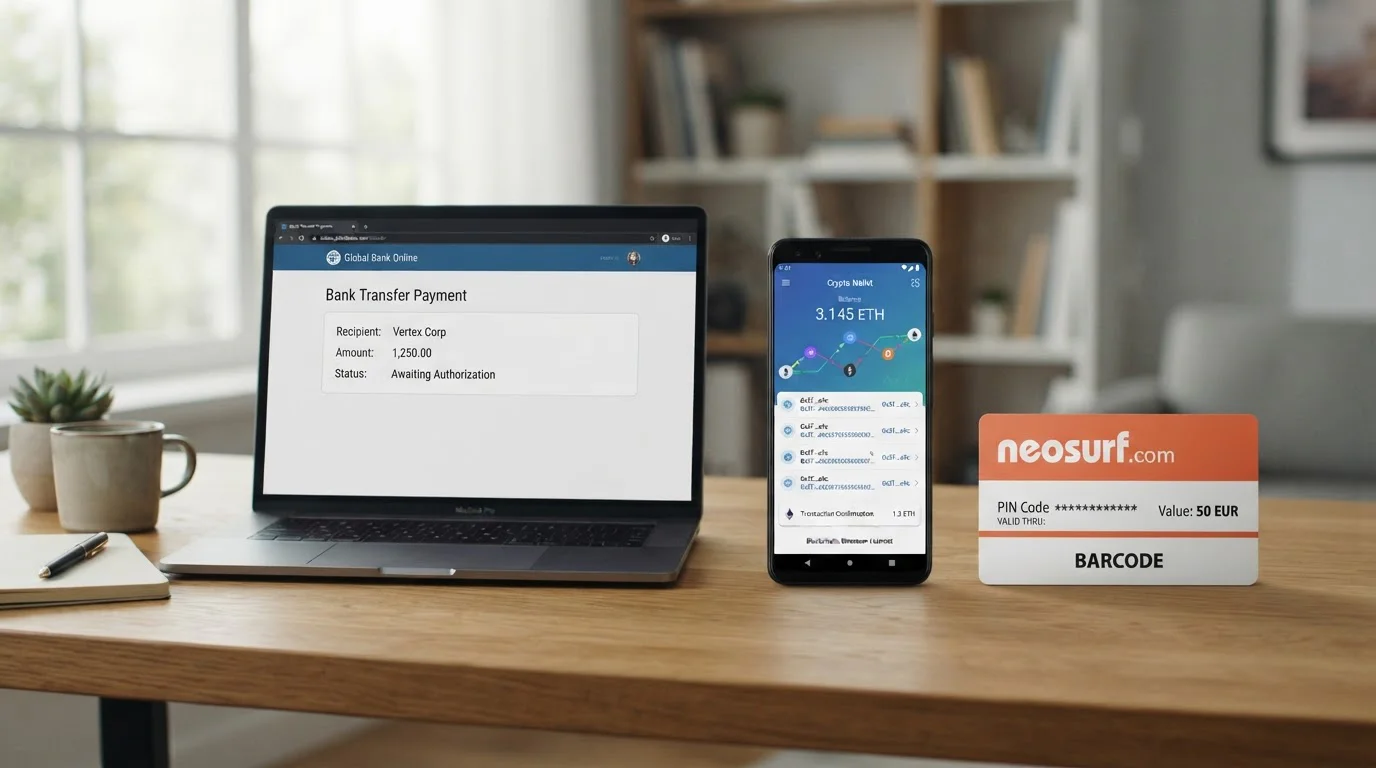
PayID and NPP cover most players, but two alternatives serve niche needs: Neosurf for those wanting anonymity or lacking bank access, and cryptocurrency for those prioritising withdrawal speed above all else.
Neosurf — Prepaid Anonymity
Neosurf is a prepaid voucher system. You buy a voucher online or at retail (newsagents, petrol stations, some supermarkets), receive a 10-digit code, and enter that code in a casino cashier to deposit. Funds transfer instantly. No bank account required, no card details shared, no transaction history on your bank statement until you cash out.
Vouchers are sold in fixed denominations up to $250 AUD. You can stack multiple codes in a single deposit if the casino supports it, though most cap Neosurf deposits at $500 per transaction. Minimum deposit is typically $20–$30. Purchase fees vary by retailer — online Neosurf resellers charge 3–5% above face value, physical retailers sell at face value but may add a transaction fee. The casino itself doesn’t charge for Neosurf deposits.
The anonymity is partial. You can deposit without linking a bank account, but cashing out requires identity verification — every licensed offshore casino enforces KYC (Know Your Customer) before processing withdrawals, and Neosurf doesn’t bypass that. The voucher deposit is anonymous; the withdrawal is not. Neosurf also doesn’t support withdrawals at all — it’s deposit-only — so you’ll need a separate method (bank transfer, PayID, crypto) to cash out.
Neosurf appeals to three groups: players without bank accounts or whose banks block gambling transactions, those wanting to keep casino deposits off their bank statements, and those comfortable with the prepaid friction in exchange for upfront anonymity. If you’ve got a functioning bank account and no anonymity concerns, PayID is faster and cheaper.
Do I need a separate account to use Neosurf at a casino?
No separate account required. Buy a Neosurf voucher online or at retail, receive a 10-digit code, enter it in the casino cashier, and the deposit clears instantly. You don’t register with Neosurf or link a bank account. However, Neosurf is deposit-only — withdrawals require a different method like bank transfer or PayID, and the casino will still require ID verification before paying out.
Cryptocurrency — Fastest Withdrawals, Highest Learning Curve
Bitcoin, Ethereum, Tether (USDT), and other cryptocurrencies deliver the fastest withdrawal times on record — 15 minutes to two hours once the casino approves the request — but require wallet setup, exchange accounts, and tolerance for volatility if you hold BTC or ETH instead of stablecoins.
Deposits work by sending crypto from your personal wallet to the casino’s deposit address. The casino generates a unique address or QR code, you open your wallet (MetaMask, Trust Wallet, Ledger, or an exchange account like Coinbase), enter the address, specify the amount, and confirm. The transaction broadcasts to the blockchain, miners or validators confirm it, and once enough confirmations accumulate (usually 1–3 for Bitcoin, 12–30 for Ethereum, near-instant for USDT on Tron), the casino credits your balance. Bitcoin deposits take 10–30 minutes on average, Ethereum 3–15 minutes, USDT under five minutes.
Withdrawals reverse the flow. You request a payout, the casino approves it, you provide your wallet address, and the casino sends crypto to that address. Once confirmed on-chain, the funds are yours. Withdrawal speed depends on two factors: how fast the casino processes the request (instant to 12 hours for most operators, 24–48 hours for slow ones) and how congested the blockchain is (Bitcoin can take an hour during peak congestion, stablecoins on Tron settle in under two minutes). Total time from withdrawal request to funds in your wallet: 15 minutes to two hours for fast casinos, four to six hours for mid-tier, 24+ hours for slow batch processors.
Fees come from two sources. The blockchain charges network fees to process transactions — Bitcoin fees range from $1 to $20 depending on congestion, Ethereum $2 to $50, USDT on Tron under $1. Some casinos absorb the fee, others pass it to the player. Check the cashier terms. The casino may also charge a percentage-based processing fee (1–3% is common), though many offshore operators waive fees on crypto to incentivise its use.
Volatility is the risk. If you deposit 0.01 BTC worth $700 today and withdraw 0.01 BTC a week later when Bitcoin has dropped 10%, you’ve lost $70 in purchasing power even if your casino balance stayed flat. Stablecoins like USDT and USDC eliminate this — they’re pegged 1:1 to the US dollar — but require converting AUD to USDT via an exchange, which adds a step. Most Australian players using crypto for speed deposit AUD to an exchange (CoinSpot, Swyftx, Binance Australia), buy USDT, send it to the casino, gamble, withdraw USDT, and convert back to AUD for a bank transfer. Four extra steps compared to PayID, but withdrawals land in 20 minutes instead of two days.
Crypto suits two profiles: players chasing the fastest possible cashouts and those wanting to avoid linking a bank account to offshore gambling. Everyone else is better served by PayID.
What are the fees for using cryptocurrency at Australian casinos?
Blockchain network fees range from under $1 (USDT on Tron) to $2–$50 (Ethereum, Bitcoin during congestion). Some casinos absorb these fees, others pass them to the player. Casinos may also charge a 1–3% processing fee on crypto deposits or withdrawals, though many waive it. Check the cashier terms before transacting. Exchange fees (AUD to crypto conversion) add another 0.5–2% if you buy crypto to deposit.
Comparing Your Options — Which Method Suits You

Four methods, four trade-offs. This table breaks them down by practical decision factors.
| Method | Deposit Speed | Withdrawal Speed | Withdrawal Support | Fees | Anonymity | Best For |
|---|---|---|---|---|---|---|
| PayID | Under 60 seconds | 1–4 hours (fast casinos), 1–3 days (standard) | Yes | Zero | Low (bank statement shows payee) | Convenience, speed, mainstream use |
| NPP / Osko direct | Under 60 seconds | 1–3 days (standard bank transfer) | Yes | Zero | Low (account details visible) | Bank familiarity, no identifier setup |
| Neosurf | Instant (after voucher purchase) | Not supported (deposit-only) | No | 3–5% voucher markup | Medium (deposit anonymous, withdrawal requires KYC) | No bank account, keeping deposits off statements |
| Cryptocurrency | 3–30 minutes (blockchain-dependent) | 15 minutes–2 hours | Yes | $1–$50 network fees + possible casino fee | High (no bank link, pseudonymous) | Fastest withdrawals, avoiding bank ties |
If speed and ease matter most, use PayID. It’s instant, zero-fee, works with your existing bank app, and delivers withdrawals in hours at fast casinos. No learning curve, no voucher runs, no wallet setup.
If you’re uncomfortable sharing a phone number or email, use direct NPP bank transfer. Same speed as PayID, same zero fees, but you enter BSB and account details manually. Some players prefer this because it feels more like a traditional bank payment.
If anonymity is the priority and you’re willing to sacrifice withdrawal support, use Neosurf. Deposits stay off your bank statement, and you can fund an account without linking financial details. You’ll still need ID verification and a separate withdrawal method, but the deposit itself is private.
If withdrawal speed trumps everything else and you’re comfortable with crypto, use Bitcoin or USDT. Cashouts land in 20 minutes to two hours once approved — faster than PayID, vastly faster than bank transfers. The trade-off is wallet setup, exchange fees, and volatility risk if you hold BTC or ETH instead of stablecoins.
Which payment method is fastest for withdrawals — PayID, bank transfer, Neosurf, or crypto?
Cryptocurrency is fastest — 15 minutes to two hours from approval to funds in your wallet. PayID withdrawals (where supported) take one to four hours after approval. Standard bank transfers settle in one to three business days. Neosurf doesn’t support withdrawals at all. Crypto wins on speed, but requires wallet setup and blockchain fees.
Offshore Casinos and Australian Law in 2026
Every casino listed here operates offshore under a Curaçao, Anjouan, or Costa Rica licence. None holds an Australian licence, because Australian law doesn’t issue them. The Interactive Gambling Act 2001 prohibits offering online casino games to Australian residents from within Australia, but it does not criminalise Australian players accessing offshore casinos. You won’t be fined or prosecuted for depositing at an offshore site. The operator takes the legal risk, not the player.
From 1 January 2027, Australian banks gain authority under new legislation to block transactions to illegal gambling operators. The practical impact is unclear as of 2026 — banks may block card transactions more aggressively, but PayID and NPP transfers don’t carry the same merchant-category codes that flag gambling, making them harder to intercept. Most offshore casinos moved to PayID and crypto specifically to avoid card-network restrictions.
BetStop, Australia’s National Self-Exclusion Register, covers only the ~150 Australian-licensed wagering providers (sportsbooks, racing). It does not extend to offshore casinos, so self-excluding via BetStop won’t block your access to international operators. If you need to self-exclude from offshore gambling, you must contact each casino individually or use third-party blocking software like Gamban.
Are offshore casinos legal for Australian players in 2026?
The Interactive Gambling Act 2001 prohibits operators from offering online casino games to Australians, but it does not criminalise players accessing offshore sites. You won’t face fines or prosecution for depositing at a Curaçao-licensed casino. The legal risk sits with the operator, not the player. From January 2027, banks may block transactions to offshore casinos, but enforcement mechanisms remain unclear.
Featured Casino Operators — Deep Dives

PayID is the method; these are the casinos accepting it. Four stood out during research for distinct reasons: Royal Reels’ no-deposit testing option, Fair Go’s decade-plus track record and RTG nostalgia, Slots Gallery’s library size, and Bizzo’s high-roller tier structure.
Royal Reels — No-Deposit Testing + PayID
Royal Reels operates under a Curaçao licence and accepts PayID deposits starting at $30. The hook is a genuine no-deposit offer: $10 free, no deposit required to claim, available immediately on registration. You sign up, verify your email, and the $10 appears in your balance. Wagering is 30–40× (sources vary), and maximum cashout from the no-deposit bonus is capped, usually around $100–$180. It’s a test-drive offer, not a retirement fund.
The main welcome bonus is 100% up to $500 on the first deposit. Game library spans 2,000+ titles from 30+ providers, including Pragmatic Play, Evolution Gaming, Yggdrasil, and Hacksaw Gaming. The provider diversity is broader than most Curaçao operators, which tend to cluster around a handful of studios. Withdrawals process via standard bank transfer in one to three business days once approved.
Royal Reels suits players who want to test a platform before committing real money. The no-deposit offer is rare in the offshore space — most “free” bonuses require a deposit to unlock. Here, you get $10 to burn with no financial commitment. If you like the interface and game selection, deposit via PayID and move to the main bonus. If you don’t, you’ve lost nothing but time.
Fair Go Casino — RTG Exclusive, Established 2017
Fair Go launched in 2017, making it one of the older offshore operators still serving Australia. It’s owned by Deckmedia N.V. and holds Curaçao licence #8048/JAZ. The platform runs exclusively on RealTime Gaming (RTG) software — 280+ pokies, table games, and video poker, all from a single studio. If you grew up playing RTG titles at pre-2010s casinos, Fair Go is nostalgia in a cashier.
Deposits start at $5 for Bitcoin, $20 for cards and PayID. The welcome bonus is 100% up to $200, redeemable five times (once per deposit, up to five deposits). Wagering is 30× deposit plus bonus — the lowest here’s sample. Most offshore casinos charge 40× or higher; Fair Go’s 30× makes the bonus easier to clear. There’s also a 20-free-spin no-deposit offer, though the 60× wagering on no-deposit spins and $180 max cashout limit its value.
Withdrawals go through standard bank transfer with a 48-hour pending period and a $7,500 weekly limit. Minimum cashout is $100. The pending period is longer than fast-payout competitors, but Fair Go’s 2017 launch date and consistent operation since then carry weight — it’s not a fly-by-night rebrand.
Fair Go targets a specific player: those loyal to RTG’s game mechanics and willing to trade provider diversity for a known quantity. RTG pokies have a distinct feel — lower volatility on average, frequent small wins, old-school bonus rounds — and if you prefer that to the high-variance chaos of Nolimit City or Hacksaw Gaming, Fair Go is the cleanest RTG option accepting PayID in 2026.
Slots Gallery — 5,000+ Games, Multi-Method
Slots Gallery operates under a Curaçao licence and accepts PayID, crypto, Apple Pay, and Google Pay. Minimum deposit is $10. The game library tops 5,000 titles, the largest here’s research sample. That count includes pokies, live dealer, table games, and scratch cards from dozens of providers. PFS Score (a third-party review metric from moviemaker.com) rated it 46/50, the highest in the sample.
The welcome bonus scales to $9,750 plus 225 free spins across multiple deposits. Wagering is standard (40×), and the usual restrictions apply (max bet during bonus, game weighting, time limits). Withdrawals advertise as “instant to two hours” for PayID and crypto once approved, though actual approval times vary by account status and withdrawal amount.
Slots Gallery’s selling point is breadth. If you want every provider’s back catalogue in one cashier — Pragmatic, NetEnt, Evolution, Play’n GO, Yggdrasil, Quickspin, Red Tiger, Big Time Gaming — it’s here. The downside of that breadth is navigation: 5,000 games means scrolling for days unless you use the search and filter tools aggressively. The platform leans toward pokies; live dealer is present but not the focus.
Slots Gallery suits players who get bored quickly and want variety. If you’ve exhausted the top 200 slots at other casinos and need deeper catalogue access, the 5,000-title library is the draw. If you play the same ten games on rotation, the extra 4,990 are irrelevant and you’re better served elsewhere.
Bizzo Casino — 70+ Studios, High Roller Tiers
Bizzo holds a Curaçao licence and supports PayID deposits starting at $25. The platform sources games from 70+ studios — the broadest provider diversity in the sample — and the total library exceeds 8,000 titles. Withdrawals process via standard bank transfer in one to three business days after approval.
The bonus structure scales to $7,250 plus 175 free spins across four deposits, with wagering at 40×. The tiers are front-loaded: the first deposit bonus is modest, but the third and fourth deposits offer 125% matches if you deposit $250 or more. That minimum jump (from $25 on the first deposit to $250+ for the top-tier match) signals who Bizzo targets: players depositing hundreds per session, not $20–$50 casual punters.
Other friction points: $8 max bet during bonus play (stake higher and the bonus voids), and a 10-free-spin bonus for installing Bizzo’s Progressive Web App (essentially a bookmark that opens the site in a browser window without the URL bar). The PWA incentive is cosmetic — it doesn’t add functionality — but the free spins have rollover attached.
Bizzo suits high-roller play and provider obsessives. If you’re depositing $500+ per session and want access to every studio’s catalogue (including niche providers most casinos skip), the 70-studio diversity and high-tier bonus matches justify the higher minimums. If you’re depositing $50 and playing casually, the $250 tier requirements lock you out of the best bonuses, and you’re overpaying for features you won’t use.
Bonuses and Deposit-Method Eligibility

Most offshore casinos treat PayID and NPP bank transfers as bonus-eligible deposits. You claim a welcome bonus, deposit via PayID, and the bonus activates. Cards, e-wallets, and crypto are similarly eligible. Neosurf is the exception — some casinos exclude Neosurf deposits from bonus promotions, labelling them “low-risk deposits” and restricting bonus access. Check the cashier terms before depositing with a voucher if the bonus matters to you.
The restriction exists because Neosurf deposits are prepaid and non-reversible. Casinos see less chargeback risk, so they classify them alongside other low-risk methods (crypto, some e-wallets) that historically attracted bonus abuse. Not every casino enforces this — Royal Reels and Fair Go accept Neosurf for bonuses — but enough do that it’s worth confirming first.
Wagering requirements apply universally: 30–40× the bonus amount (or deposit plus bonus, depending on terms). The payment method doesn’t affect the rollover figure, only whether the bonus unlocks. Game weighting is standard — pokies count 100% toward wagering, table games 10–20%, live dealer often excluded entirely.
One more wrinkle: some casinos cap maximum bet during bonus play ($5–$10 AUD typical). Stake above that and the bonus voids, even if you meet the wagering. PayID deposits don’t bypass this rule; it applies to all methods. Read the bonus terms before accepting, and if you prefer playing high-stakes spins, skip the bonus and deposit without claiming it.
Game Types — Pokies, Live Dealer, and More
Every casino here offers pokies, live dealer, and table games. Provider diversity varies — Fair Go runs RTG exclusively, Bizzo aggregates 70+ studios — but the basics (pokies, blackjack, roulette, baccarat, live dealer) are standard across all platforms. Game availability doesn’t depend on your payment method; PayID, Neosurf, and crypto deposits access the same library.
Pokies dominate. Most offshore operators serving Australia stock 80–90% pokies, 5–10% live dealer, and the rest split between table games, video poker, and scratch cards. If you’re looking for keno, bingo, or speciality games, check the lobby before depositing — not every casino carries them.
Live dealer tables run on Evolution Gaming at most platforms, with Pragmatic Play Live and Ezugi filling secondary roles. Expect blackjack, roulette, baccarat, and game-show variants (Crazy Time, Monopoly Live). Table limits range from $1 to $10,000+ depending on the table. Australian dealers are rare; most tables are staffed from European or Asian studios broadcasting 24/7.
RTP disclosure varies. Some casinos display return-to-player percentages in the game info screens, others don’t. RTG titles at Fair Go trend 95–97% RTP. Modern video slots from Pragmatic, NetEnt, and Hacksaw Gaming sit in the 96–96.5% range. High-volatility slots push RTP slightly lower (95–96%) to compensate for larger max-win potential. If RTP matters to you, stick to providers that publish it (Pragmatic Play, NetEnt, Play’n GO) and avoid platforms that don’t disclose it at all.
Casino Deposit Methods Australia 2026 — Full Comparison
Content created by the «Aussie Cashier» team