
Casinos That Accept CashToCode in Australia: Full Operator Comparison & Deposit Guide 2026
 Available in AU

CashToCode sits in an odd position for Australian punters. It delivers anonymous deposits without handing your card details to an offshore casino, but you can’t withdraw a cent back to it. That asymmetry shapes everything: which operators pair it with fast crypto cashouts, where the voucher-purchase friction actually sits, and whether the “anonymous” part survives a mandatory KYC check before your first withdrawal anyway.
No Australian-licensed online casino exists under the Interactive Gambling Act 2001. Every operator covered here holds an offshore license — Curaçao, Tobique, Anjouan — and targets the Australian market through a legal grey zone. ACMA blocks hundreds of unlicensed gambling domains, banks decline PayID transactions to offshore processors with increasing frequency, and the 2026 IGA amendment tightened advertising restrictions. None of that criminalizes the player, but it does mean your main cashout lever is crypto, not a bank account.
The breakdown below 10 offshore casinos accepting CashToCode in AUD, explains the voucher mechanics competitors skip (where you actually buy one, what resellers charge, why there’s no retail barcode option in Australia), maps withdrawal-method pairings since the voucher is deposit-only, and frames the IGA reality without the usual “fully legal” handwaving. Real operator names, verifiable license numbers, actual processing times where public data allows.
What Is CashToCode and How Does It Work in Australia?

CashToCode is a prepaid eVoucher built around a 20-digit PIN. You buy the voucher online from an authorized reseller, receive the code by email, and enter it at a casino cashier. The transaction clears instantly in AUD. No bank details reach the casino, no account signup with CashToCode itself, no app to install. It’s a one-time-use code: once redeemed, the balance drops to zero.
The Australian version is exclusively the eVoucher product. CashToCode Classic — the retail-barcode variant where you settle in cash at a physical counter — operates in select European markets but not here. If a competitor’s guide mentions “visiting a retail location to pay cash for your CashToCode deposit,” they’re describing the wrong product. In Australia, you buy the voucher digitally, pay the reseller with a card, e-wallet, or crypto depending on the platform, and the PIN arrives by email within seconds. No shop visit, no cash handoff, no barcode scan.
Denominations run A$25, A$50, A$100, A$150, A$200, and A$400 per voucher. Validity is 12 months from purchase. If you redeem A$100 of a A$200 voucher, the remaining A$100 sits on the same code until expiry — though most casino cashiers don’t support partial redemption, so in practice you’re locked to the full voucher amount per transaction. CashToCode GmbH operates out of Malta, launched the product in Germany in 2016, and added AUD support for the AU/NZ market in the early 2020s.
The appeal is narrow but real: players who either lack a card accepted by offshore casinos (some Australian-issued cards block gambling merchants), prefer not to link a bank account to grey-market operators, or want a firewall between their main finances and a punting session. The “anonymous” framing is overstated. The casino never sees your card or bank details, true. But reseller platforms require an email, and KYC at the casino — photo ID, proof of address, sometimes a selfie holding your document — kicks in before your first withdrawal regardless of deposit method. CashToCode buys you privacy from the casino at the funding stage, not invisibility across the entire transaction chain.
What is CashToCode?
A prepaid voucher delivering a 20-digit PIN for instant AUD deposits at offshore casinos. No CashToCode account needed, no retail visit in Australia — buy online via reseller, get code by email, enter at casino cashier.
How long does a CashToCode deposit take to appear in my casino account?
Instant. Once you enter the PIN and confirm, funds hit your balance in seconds. The casino checks the code with CashToCode’s validation API, clears the transaction, and credits your account without a manual approval step.
Do I need to create a CashToCode account to use the vouchers?
No. CashToCode is account-free. You buy the voucher from a reseller platform, they email the PIN, you enter it at the casino. The reseller may ask for an email and payment method, but CashToCode itself never sees a profile or registration from you.
Top 10 Casinos Accepting CashToCode in Australia (2026)

The table below compares the 10 offshore operators where CashToCode deposits land reliably for Australian players. License jurisdictions cluster around Curaçao and Tobique — neither carries the regulatory weight of an MGA or UKGC license, but both are standard in the offshore AU market. Withdrawal speed matters more here than at most casinos because CashToCode can’t handle the return leg, so you’re stuck evaluating crypto, PayID, or bank-transfer timelines per operator.
| Operator | License | Withdrawal Speed | Min Deposit (CashToCode) | Distinguishing Feature |
|---|---|---|---|---|
| Sky Crown | Curaçao 8048/JAZ (Hollycorn N.V.) | Crypto 0–24h, PayID 0–24h (when not blocked) | A$35 | Launched 2022, AU-targeted modern UI, 5,000+ games |
| King Billy | Curaçao 8048/JAZ2020-013 (Dama N.V.) | E-wallet <1h, crypto 0–24h | A$10 | Established 2017, VIP 3–13% weekly cashback, 5,000+ games |
| Fair Go | Curaçao (offshore) | Crypto fast, bank 3–5 days | A$10 | RTG-exclusive ~280 games, AU cultural branding (koala), long-standing brand |
| RooCasino | Curaçao (offshore) | Crypto 24–48h, bank 7–12 days | Standard | AU-branded (kangaroo), 3,000+ games, AUD + crypto hybrid |
| Casino Rocket | Tobique Gaming Commission | Crypto minutes, PayID <24h | Standard | Pragmatic-heavy, 7-tier VIP (cashback up to 20%), 3,000+ games |
| 21Bit | Tobique Gaming Commission (Novatrix SRL) | E-wallet/crypto <24h, cards 1–3 days | A$33 | Crypto-conversion model (fiat→crypto internally), A$22,500 monthly cap |
| Woo Casino | Curaçao (Dama N.V.) | Crypto 0–24h | Standard | 8,000+ games from 145 providers (largest catalog), VIP personal managers |
| Fastpay | Tobique Gaming Commission (Novatrix SRL) | Crypto 15 min–1h (pre-verified) | Standard | Brand identity = speed, upfront KYC model, 6,000+ games |
| Ripper Casino | Offshore (Curaçao presumed) | Crypto 24–48h, card instant deposit | Standard | AU-branded, 2,000+ pokies, promo-heavy (free chips/spins) |
| GW Casino | Offshore (details sparse) | Data limited | Standard | Lower public profile, accepts CashToCode + AUD, minimal review presence |
The ranking order reflects topical relevance to CashToCode rather than an all-purpose “best casino” claim. Sky Crown and King Billy lead because their payment rails pair CashToCode deposits with reliable crypto and e-wallet withdrawals, and both maintain consistent uptime for Australian traffic. Fair Go anchors the RTG niche — a narrower game library than the 5,000+ title giants, but known RTP consistency and a decade-plus AU track record. Fastpay’s 15-minute crypto promise and upfront-KYC model sit at the opposite end: speed-focused, verification before play, and part of the same Novatrix network as 21Bit.
GW Casino closes the list with an honest acknowledgment: public data is thin, reviews scarce, and verifiable specifics limited. It accepts CashToCode, supports AUD, and appears in directory listings, but beyond that the profile stays shallow. If you’re weighing a lower-profile operator, a test deposit and a support query before committing serious money becomes more important than usual.
Sky Crown
Hollycorn N.V. launched Sky Crown in 2022 under Curaçao eGaming license 8048/JAZ. The platform runs on a modern stack with PayID + crypto withdrawal integration, ~5,000 games from 80+ providers (Pragmatic Play, BGaming, Evolution, Playson), and a full Evolution live dealer floor. The AU market was the explicit target from launch — the domain, promo calendar, and banking rails all default to Australian time zones and AUD. The welcome package stretches to A$8,000 + 400 free spins across four deposits, though you’ll need the code SKYCROWN before the first one and every bonus dollar carries a 40x wagering tag.
Minimum CashToCode deposit sits at A$35. Crypto withdrawals process within 24 hours for verified accounts; PayID cashouts theoretically clear in the same window but Australian banks block gambling PayID transactions with increasing frequency in 2026, so crypto remains the more reliable exit. The pokies catalog skews toward Pragmatic and BGaming — both prolific studios with high-volatility flagship titles — and the live floor pulls Evolution’s back catalog (Lightning Roulette, Crazy Time, standard blackjack and baccarat variants). For a 2022 launch, Sky Crown avoided the clunky legacy-platform feel that older Curaçao operators sometimes carry. The downside: a 2022 pedigree also means less public track record than a King Billy or Fair Go with a decade behind them.
King Billy
Dama N.V. operates King Billy under Curaçao eGaming license 8048/JAZ2020-013, with a launch date around 2017 and a medieval/fantasy theme that gamifies the VIP structure. Over 5,000 games from 50+ providers anchor the lobby, and the tiered loyalty program returns 3–13% weekly cashback depending on your VIP rank. Minimum deposit for CashToCode is A$10 — one of the lowest thresholds on this list — and e-wallet withdrawals for verified accounts clear in under an hour, crypto within 24 hours. The welcome package splits A$2,500 + 250 free spins across four deposits, each tranche carrying 30x wagering and a 7-day expiry.
King Billy’s payment-method range is unusually broad for an offshore operator: 20+ options including CashToCode, Neosurf, cards, e-wallets (Skrill, Neteller, ecoPayz), crypto, and bank transfer. That breadth matters when Australian banks block one rail — you’re not stuck with a single fallback. The Dama N.V. network (which also includes Woo Casino on this list) maintains a reputation for stable platform operation and responsive cashouts, though the Curaçao license still means zero local recourse if a dispute escalates beyond support tickets. For players prioritizing a longer operational history and a structured VIP path over the latest UI trends, King Billy sits in the upper tier of this cohort.
Fair Go Casino
Fair Go operates as an RTG-exclusive brand targeting the Australian market since the early 2010s. The catalog holds ~280 RealTime Gaming titles — pokies, table games, specialty formats — rather than the 3,000–8,000-game mega-libraries other operators chase. The koala mascot and AU slang in promo copy lean into cultural branding, and the site runs promotions timed to Australian time zones instead of a generic UTC schedule. The welcome package delivers A$1,000 + 100 free spins split across five deposits, with A$10 CashToCode minimum and A$5 for Bitcoin.
RTG as a sole provider narrows variety but brings predictable RTP mechanics. The same pokies that anchored Fair Go’s launch — *Achilles*, *Cash Bandits*, *Caesar’s Empire* — still anchor the lobby a decade later, and experienced RTG players know the volatility profiles by heart. Crypto payouts clear quickly once KYC wraps; bank transfers to Australian accounts take the standard 3–5 business days. The brand’s longevity in the offshore AU space means more public withdrawal reports and fewer “who actually runs this site?” questions, though the Curaçao license structure still offers no local player protection. If you prefer a focused RTG lineup over a sprawling multi-provider catalog, and AU-specific branding over a generic international skin, Fair Go remains one of the cleaner fits for that niche.
RooCasino
RooCasino brands itself around Australian cultural markers — kangaroo mascot, AUD as the native currency, promo language that skips the “punter” euphemisms some operators lean on. The operator holds an offshore license (Curaçao standard for AU-facing sites) and runs a 3,000+ game library with a pokies-heavy skew. The welcome offer varies across affiliate sources between A$4,000 and A$5,000 plus free spins, likely tiered by deposit amount or promo code. The platform handles both traditional fiat banking (cards, e-wallets, CashToCode) and cryptocurrency, with players depositing and playing in AUD but often withdrawing via crypto to bypass bank restrictions.
Withdrawal timelines split predictably: crypto clears in 24–48 hours, bank transfers to Australian accounts stretch to 7–12 days, and PayID integration exists but suffers the same bank-blocking issues every offshore operator faces in 2026. The AU branding extends to the game selection — providers like Pragmatic Play, BGaming, and NetEnt dominate, all studios with high-volatility pokies that resonate with the local market’s taste for feature-heavy slots. RooCasino sits in the mid-tier by operational transparency: not a fly-by-night shell, but also not a Dama N.V. or established RTG brand with a decade of public cashout data. If the kangaroo branding and AUD-first positioning appeal, a smaller test deposit before committing serious money remains the sensible path.
Casino Rocket
Casino Rocket operates under a Tobique Gaming Commission license with Costa Rican legal registration. The catalog holds 3,000+ games with a Pragmatic Play-heavy lean, Evolution for the live dealer floor, and a 7-tier VIP program that climbs from Rocket Pilot to Admiral with cashback scaling to 20% at the top. The welcome package offers 150% up to A$1,575 + 150 free spins, and withdrawal rails include PayID (sub-24 hours when banks cooperate), crypto (clears in minutes for Bitcoin/Ethereum), and standard bank transfer fallback.
Tobique as a licensing jurisdiction carries less regulatory weight than Malta or the UKGC, but it’s a recognized issuer in the offshore iGaming space and appears on multiple operators targeting AU/NZ markets. The Pragmatic Play dominance means you’ll see *Sweet Bonanza*, *Gates of Olympus*, *Sugar Rush*, and the rest of Pragmatic’s high-multiplier catalog front-loaded in the pokies lobby. The 20% cashback ceiling at Admiral tier is unusually high for the cohort — most VIP programs cap weekly cashback around 10–15% — though reaching Admiral likely requires sustained high-volume play over months. For players who already favor Pragmatic’s volatility profile and want a VIP structure with tangible cashback rather than vague “personal manager” perks, Casino Rocket’s program is one of the more transparent on this list.
21Bit
21Bit operates under the Novatrix SRL umbrella (Costa Rica legal entity, Tobique Gaming Commission license) and runs a crypto-conversion model: fiat deposits — including CashToCode — convert to cryptocurrency internally, games price in BTC-equivalent, and you withdraw in crypto or fiat depending on preference. The welcome package delivers A$1,000 + 250 free spins with a 550% match on the first deposit (A$15 minimum, 30x wagering), and the monthly withdrawal cap sits at A$22,500. The platform supports 9 interface languages, accepts deposits from A$33 for CashToCode, and processes e-wallet/crypto withdrawals within 24 hours.
The crypto-native backend means every transaction — even if you deposit AUD via CashToCode — gets converted to a crypto balance for gameplay. That structure appeals to players comfortable with crypto volatility but introduces a friction point for anyone who wants to think purely in fiat. The A$22,500 monthly cap is lower than some peers (King Billy and Woo allow higher withdrawal limits for VIP tiers), but for recreational players that ceiling rarely binds. 21Bit shares ownership with Fastpay (same Novatrix network, same Tobique license), so the backend infrastructure, game providers, and KYC process mirror each other. If you’re weighing between the two, Fastpay markets speed while 21Bit markets the crypto angle; the operational substance is nearly identical.
Woo Casino
Woo Casino launched in 2020 under Dama N.V. (Curaçao license, Antillephone N.V. issuer) with a mobile-first design and one of the largest game catalogs in the offshore AU market: 8,000+ titles from 145 providers. That breadth covers pokies, live dealer, crash games, lotteries, and virtual sports, with Pragmatic Play, Evolution, NetEnt, BGaming, and dozens of smaller studios filling the lobby. The VIP program includes personal account managers at higher tiers, and weekly cashback scales with your rank. Welcome offers vary across sources from A$1,500 to A$10,000, likely reflecting different deposit thresholds or promo codes.
The 145-provider count is the standout metric here. Most operators on this list run 50–80 providers; Woo’s catalog is nearly double that. The downside: navigating 8,000 games without a well-tuned filter system turns into a scroll marathon, and quality control across 145 studios varies more than a curated 30-provider lineup. Crypto withdrawals process in 0–24 hours, the platform supports 24+ payment methods, and the 2020 launch means Woo avoided the clunky mobile-second design older Curaçao operators inherited from desktop-era builds. For players who prioritize having every possible game variant and provider over a focused, editorially-curated library, Woo’s breadth is unmatched in this cohort.
Fastpay
Fastpay operates under the same Novatrix SRL/Tobique structure as 21Bit, launched in 2020, and built its brand identity entirely around withdrawal speed. The 15-minute crypto payout claim is the marketing hook, and the platform enforces an upfront KYC model: verify your identity before your first withdrawal (photo ID, proof of address, sometimes a selfie) so the cashout request can bypass the usual manual-review queue. For pre-verified accounts, Bitcoin and Ethereum withdrawals reportedly clear in 15 minutes to 1 hour; e-wallet cashouts take up to 24 hours.
The 6,000+ game library spans the usual offshore mix — Pragmatic, BGaming, NetEnt, Evolution live dealer — and the VIP program includes an instant-payout tier for high rollers. The upfront-KYC trade-off is explicit: you hand over documents before you’ve tested the platform with real money, but if the verification clears and the crypto payout actually lands in 15 minutes, you’ve bypassed the multi-day wait most offshore operators impose. That model suits players who’ve already decided to commit and want speed over anonymity. If you’re testing the waters with a small CashToCode deposit to see how the platform feels before uploading ID, Fastpay’s structure works against you — the speed benefit only kicks in after KYC wraps.
Ripper Casino
Ripper Casino targets the Australian market with kangaroo imagery, AU slang, and a pokies-dominant catalog holding 2,000+ real-money slots plus table games and live dealer as secondary offerings. The operator holds an offshore license (Curaçao presumed based on peer structure, though exact licensing entity is not uniformly disclosed across review sources). The welcome package sits around A$3,000 plus free spins, and the promo engine leans heavily on free chips, reload bonuses, and spin offers rather than a single mega welcome package.
Card deposits process instantly, crypto faster, and PayID availability fluctuates with the same bank-blocking issues every AU-facing offshore operator contends with. Withdrawal timelines for crypto land in the 24–48-hour range; bank transfers stretch longer. The pokies focus means table-game variety and live dealer depth are narrower than operators like King Billy or Woo, and the lower public profile translates to fewer independent cashout reports compared to established brands. Ripper’s AU cultural branding mirrors Fair Go and RooCasino in tone, but the operational transparency — license details, legal entity ownership, public complaint history — remains thinner. If the promo-heavy approach appeals, treat it as a test-first scenario rather than a large upfront deposit.
GW Casino
GW Casino appears in CashToCode directory listings and accepts AUD, but public review presence is minimal compared to the operators above. The platform supports CashToCode deposits and runs a standard offshore casino library, but verifiable specifics — license issuer, legal entity, game-provider count, withdrawal timelines, welcome bonus structure — are sparse across the sources reviewed. That data gap doesn’t confirm a scam, but it does mean you’re operating with less transparency than a King Billy, Sky Crown, or Fair Go where operational details and player reports are abundant.
Lower public profile can mean a smaller operation with less marketing budget, a newer launch without years of review accumulation, or a rebrand after a prior domain block. Without clearer licensing and ownership disclosure, the best approach is a small test deposit, a support query to gauge response quality, and a withdrawal attempt before committing larger amounts. If the platform clears those checks and the CashToCode deposit + crypto withdrawal cycle works smoothly, it may serve your needs. If support is unresponsive or KYC verification stalls indefinitely, you’ve capped your exposure at the test amount rather than discovering the friction after a larger deposit.
How to Deposit with CashToCode at Australian Casinos

The deposit process itself is simple once you have the voucher in hand. The friction point most guides gloss over is the voucher-purchase step — specifically, which reseller platforms actually serve Australian customers, what payment methods those resellers accept, and what fees land on top of the voucher’s face value.
Step 1: Buy Your CashToCode Voucher
CashToCode vouchers for the Australian market are sold exclusively online by authorized reseller platforms. The three most accessible for AU customers are Dundle, MyGiftCardSupply, and SEAGM. You visit the reseller’s site, select the AUD denomination (A$25, A$50, A$100, A$150, A$200, or A$400), choose a payment method, and complete checkout. The 20-digit PIN arrives by email within seconds, sometimes faster.
Payment methods at the reseller vary by platform. Dundle accepts PayPal, American Express, and 36+ other methods including cards and e-wallets. MyGiftCardSupply takes cards and PayPal. SEAGM supports cards, e-wallets, and cryptocurrency. The reseller charges a service fee — typically 2–5% depending on payment method and region — on top of the voucher’s face value. A A$100 voucher might cost A$102–A$105 at checkout. That fee structure is standard across prepaid-voucher resellers (Neosurf, paysafecard, and others follow the same model), but it’s worth factoring into your deposit-cost calculation rather than assuming the voucher is fee-free.
No Australian retail locations sell CashToCode. The retail-barcode product (CashToCode Classic) where you pay cash at a physical counter operates in Germany, Austria, and select EU markets, but not here. If a guide tells you to “visit your local convenience store to purchase a CashToCode voucher,” they’ve confused the AU eVoucher product with the EU retail variant. In Australia, digital purchase from a reseller is the only path.
Step 2: Log Into Your Casino Account
Open your chosen casino from the list above, log in, and navigate to the cashier or deposit section. Most offshore operators label this “Deposit,” “Cashier,” “Banking,” or hide it under a wallet icon in the top-right corner of the screen. If you’re depositing for the first time, some casinos prompt you to verify your email or phone number before unlocking the cashier — check your inbox for a confirmation link if the deposit button stays greyed out.
Step 3: Enter Your CashToCode PIN
In the cashier, select CashToCode from the payment-method list. The casino displays a form asking for the 20-digit PIN you received by email from the reseller. Copy the code exactly (alphanumeric, case-sensitive depending on implementation, though most systems ignore case), paste it into the field, and enter the deposit amount. If your voucher holds A$100 and you want to deposit A$100, the casino will drain the voucher in full. Partial redemption (depositing A$50 from a A$100 voucher) is theoretically supported by CashToCode’s system, but most casino implementations don’t expose that option — you’re locked to the full voucher balance per transaction.
Step 4: Confirm and Play
Hit confirm, and the casino checks the PIN with CashToCode’s validation API. If the code is valid and unused, the transaction clears instantly and your balance updates within seconds. No manual approval, no pending hold, no waiting on a payment processor. The voucher code is now spent; the same PIN cannot be reused at another casino or for another deposit.
Where can I buy a CashToCode voucher in Australia?
Online only, via authorized resellers like Dundle, MyGiftCardSupply, or SEAGM. No physical retail locations sell CashToCode in Australia — that’s the EU retail-barcode product (CashToCode Classic). Buy digitally, receive the 20-digit PIN by email instantly.
Are there fees for depositing with CashToCode at casinos?
The casino charges zero fees. The reseller platform where you buy the voucher charges 2–5% on top of face value depending on payment method. A A$100 voucher might cost A$102–A$105 at checkout.
CashToCode Withdrawals and Payout Alternatives
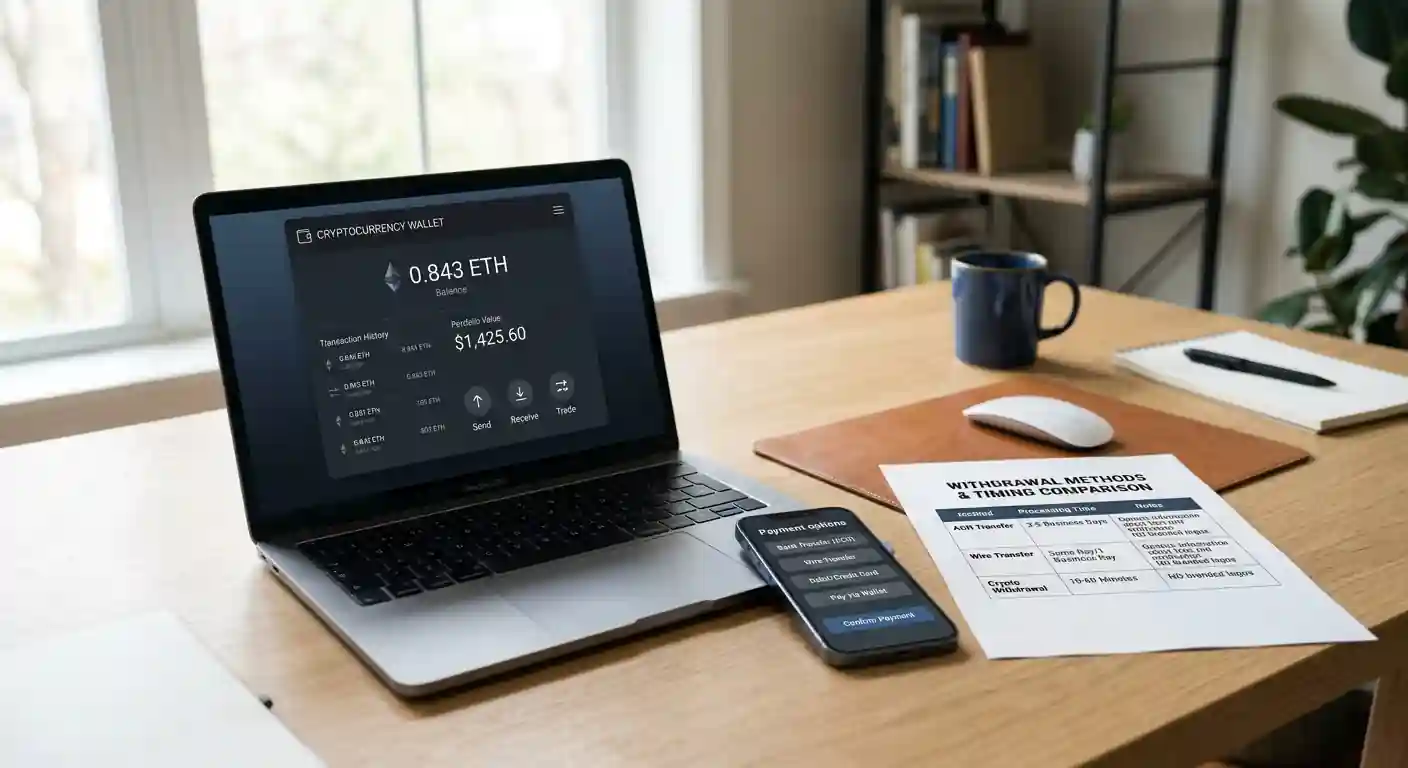
CashToCode is a one-way payment method. The voucher delivers funds into a casino account, but the system has no mechanism to reverse the flow and send money back to you. That design mirrors paysafecard, Neosurf, and other prepaid vouchers — all deposit-only by architecture. The practical consequence: before your first withdrawal, you’ll verify an alternative method and complete KYC regardless of how anonymous your CashToCode deposit felt.
Why You Can’t Withdraw to CashToCode
Prepaid vouchers function as bearer instruments: whoever holds the 20-digit PIN can redeem the balance, no identity check required. That structure works for deposits — the casino validates the code, debits the voucher, credits your account — but breaks down for withdrawals. A casino paying out to a CashToCode voucher has no way to verify the recipient is the account holder rather than someone who stole the PIN from an email intercept or phishing attack. KYC regulations (even under loose Curaçao oversight) require the operator to confirm withdrawal recipients match the account holder, and a bearer voucher offers zero identity link.
CashToCode’s own documentation frames the product as “deposit solution” without withdrawal functionality. Competitors in the prepaid-voucher space — paysafecard, Neosurf — operate the same constraint. If you need a two-way payment method, you’re looking at crypto, e-wallets, or bank transfer instead.
Best Withdrawal Methods for CashToCode Depositors
Since CashToCode won’t handle the return leg, pairing your deposit with a reliable withdrawal method becomes the central decision. The table below compares the four main alternatives, ranked by reliability for Australian players in 2026.
| Method | Speed | Reliability for AU Players 2026 | Fees |
|---|---|---|---|
| Cryptocurrency (BTC, ETH, LTC, USDT) | 0–24 hours | High — bypasses bank restrictions, most reliable cashout route for offshore play | Blockchain network fees (A$1–A$10 depending on coin and network congestion); casino typically covers processing |
| PayID | 0–24 hours (when not blocked) | Low — Australian banks increasingly decline PayID gambling transactions; works intermittently | Zero casino fees; banks may flag or block transaction |
| Bank Transfer | 7–12 days to AU accounts | Moderate — slow but universal; most banks process without blocking, though delays common | Casino may charge A$10–A$30 withdrawal fee; receiving bank may charge international transfer fee |
| E-Wallets (Skrill, Neteller, ecoPayz) | 24–48 hours | Low — Skrill/Neteller restrict Australian gambling accounts; many AU users report rejections | Zero casino fees if e-wallet account is accepted |
Cryptocurrency is the most reliable cashout method for Australian players using offshore casinos in 2026. Bitcoin, Ethereum, Litecoin, and USDT all clear in 0–24 hours once the casino processes the withdrawal, and none of the Australian bank restrictions that hamstring PayID apply. The tradeoff: you need a crypto wallet (Coinbase, Binance, a hardware wallet, or even a non-custodial mobile wallet like Trust Wallet), and you’ll convert crypto back to AUD through an exchange if you want the funds in your bank account. That extra step adds friction, but it’s predictable friction rather than the random blocking PayID suffers.
PayID theoretically delivers instant AUD-to-AUD transfers, but Australian banks tightened gambling transaction monitoring following the 2026 IGA amendment. Commonwealth Bank, NAB, Westpac, and ANZ all report increased blocks of PayID payments to offshore gambling processors. Some transactions clear without issue; others trigger an instant decline or a frozen account pending manual review. The inconsistency makes PayID unreliable as a primary withdrawal method even though the technology itself works fine. If you want to test it, attempt a small withdrawal first. If it clears, you’ve confirmed your bank tolerates it. If it blocks, you haven’t staked a large cashout on a method your bank will reject.
Bank transfer is slow — 7 to 12 business days from casino approval to funds landing in your Australian account — but it’s the universal fallback when crypto and PayID both fail. Most Australian banks process international transfers from offshore gambling operators without blocking, though the transaction may trigger a compliance review or a phone call from your bank’s fraud team asking you to confirm the deposit. Casinos often charge a flat withdrawal fee (A$10–A$30) for bank transfers, and your receiving bank may add an international transfer fee on top. The total cost and delay make this the least attractive option when crypto works, but it’s the safety net when nothing else does.
E-wallets (Skrill, Neteller, ecoPayz) sound ideal — fast, widely accepted, and isolated from your bank account. The problem: Skrill and Neteller both restrict Australian accounts from gambling transactions, and many AU users report account closures or withdrawal rejections when they attempt to move funds from an offshore casino to a Skrill/Neteller balance. ecoPayz tolerates Australian gambling use more consistently, but it’s less widely supported across offshore casinos than Skrill or Neteller. If you already hold an e-wallet account that accepts gambling deposits, test a small withdrawal. If the e-wallet accepts it, you’ve got a viable route. If the e-wallet rejects or freezes your account, you’re back to crypto or bank transfer.
Can I withdraw my winnings to CashToCode?
No. CashToCode is deposit-only by design. Use cryptocurrency (most reliable), PayID (works intermittently), bank transfer (slow but universal), or an e-wallet (if your account accepts AU gambling transactions) for withdrawals.
CashToCode Deposit Limits, Fees and Voucher Validity
CashToCode vouchers are sold in six fixed denominations: A$25, A$50, A$100, A$150, A$200, and A$400. The per-transaction maximum is A$400, so if you want to deposit more than that in a single session, you’ll need multiple vouchers. Most casinos on the operator list above set their CashToCode minimum deposit between A$10 and A$35. King Billy and Fair Go accept A$10, Sky Crown requires A$35, 21Bit asks for A$33. The casino’s minimum must align with a voucher denomination you can actually buy — a A$10 minimum works because you can purchase a A$25 voucher and deposit A$10 of it (if the casino supports partial redemption, which most don’t), but in practice you’ll buy the smallest voucher that meets or exceeds the casino’s threshold and deposit the full amount.
Fees break down in two places: the reseller platform charges 2–5% on top of the voucher’s face value at purchase, and the casino charges zero for CashToCode deposits. If you buy a A$100 voucher from Dundle for A$103 and deposit it at Sky Crown, Sky Crown credits A$100 to your balance and keeps nothing. The A$3 stayed with Dundle. That structure mirrors Neosurf, paysafecard, and other prepaid vouchers — the casino treats the voucher as cash-equivalent and doesn’t skim a deposit fee, but you paid a premium to acquire the voucher in the first place.
Voucher validity runs 12 months from the purchase date. If you buy a A$200 voucher today and redeem A$100 of it, the remaining A$100 sits on the same PIN for up to 12 months (assuming the casino’s redemption system supports partial use, which is rare in practice). After 12 months, the unredeemed balance expires and CashToCode keeps it. That’s standard across prepaid-voucher products — the issuer profits from breakage (unredeemed balances) in addition to reseller fees.
What are the deposit limits for CashToCode at Australian casinos?
Minimum A$10–A$35 depending on casino (King Billy and Fair Go accept A$10, Sky Crown requires A$35). Maximum A$400 per voucher; buy multiple vouchers to deposit more in one session. Vouchers are sold in A$25, A$50, A$100, A$150, A$200, A$400 denominations.
Pokies and Games at CashToCode Casinos

The 10 operators above split into three rough tiers by library size. Sky Crown, King Billy, Woo, and Fastpay all run 5,000–8,000+ games from 50–145 providers. RooCasino, Casino Rocket, and 21Bit sit in the 3,000-game range. Fair Go operates an RTG-exclusive catalog of ~280 titles. Ripper Casino holds 2,000+ pokies with narrower table-game depth. GW Casino’s library size is not reliably documented.
Pokies dominate every catalog. Pragmatic Play (*Sweet Bonanza*, *Gates of Olympus*, *Sugar Rush*, *The Dog House Megaways*), BGaming (*Alien Fruits*, *Bonanza Billion*, *Elvis Frog in Vegas*), NetEnt (*Starburst*, *Gonzo’s Quest*, *Dead or Alive 2*), and Play’n GO (*Book of Dead*, *Reactoonz*, *Fire Joker*) anchor the pokies lobbies across the cohort. RTG titles (*Achilles*, *Cash Bandits*, *Caesar’s Empire*, *Cleopatra’s Gold*) appear exclusively at Fair Go. High-volatility slots with multiplier mechanics and free-spin bonus rounds are front-loaded in every lobby because that’s what the Australian market gravitates toward — low-volatility, low-max-win slots get buried in the filters.
Live dealer comes from Evolution Gaming at most operators on this list. Standard blackjack, roulette, and baccarat variants run 24/7, with Lightning Roulette, Crazy Time, and Monopoly Live as the game-show-style offerings. Reported RTPs on Evolution live tables reach 98.7% for certain blackjack and baccarat variants, though the house edge on game-show formats (Crazy Time, Monopoly) is notably higher. Fair Go skips live dealer entirely — RTG’s strength is RNG slots, not live streaming. Smaller operators like Ripper and GW may offer live dealer as a secondary category with narrower table selection than the Dama N.V. or Pragmatic-heavy platforms.
Table games (RNG blackjack, roulette, poker variants) and specialty formats (crash games, scratch cards, keno, virtual sports) fill out the catalog at larger operators. Woo Casino’s 145-provider lineup includes crash games, lotteries, and virtual sports alongside the standard pokies and live dealer. Fastpay and 21Bit (both Novatrix network) run similar breadth. Fair Go’s RTG-exclusive library includes specialty games like Keno and Scratch Card variants but no crash games or virtual sports.
Payment method affects game access only at the edges. Some offshore operators restrict progressive jackpot play or certain high-RTP table games for players using anonymous payment methods (CashToCode, Neosurf, paysafecard), though that restriction is inconsistent across the cohort and not uniformly disclosed in terms. If you deposit with CashToCode and find a specific jackpot slot greyed out, support can clarify whether the block is temporary (until KYC clears) or permanent for voucher deposits.
Bonuses and Promotions with CashToCode Deposits
Every operator on the list above accepts CashToCode for bonus-eligible deposits. The welcome packages range from Fair Go’s conservative A$1,000 + 100 spins to Sky Crown’s ambitious A$8,000 + 400 spins, with wagering requirements clustering around 30x–40x. The “generous” framing most affiliate reviews use deserves scrutiny. A 40x wagering requirement on a A$2,000 bonus means you’ll turn over A$80,000 in bets before a withdrawal clears. That’s not a gift — it’s a playtime extension that favors the casino’s edge over dozens of hours of spins.
King Billy’s welcome package delivers A$2,500 + 250 spins across four deposits with 30x wagering per tranche and a 7-day expiry. The split structure caps your risk per deposit — you’re not committing A$2,500 upfront to unlock the full package — but it also means four separate wagering cycles rather than one consolidated clearance. Sky Crown’s A$8,000 package requires the code SKYCROWN before the first deposit and carries 40x wagering across four tranches. That’s A$320,000 in total turnover if you chase the full bonus, and the 40x figure sits at the steeper end of the offshore AU market.
21Bit front-loads its welcome offer with a 550% match on the first deposit up to A$1,000 + 250 spins. The 550% match sounds aggressive until you read the A$15 minimum deposit and 30x wagering. A A$100 first deposit becomes A$650 in bonus funds, but you’ll wager A$19,500 before a cashout clears. Woo Casino’s welcome offers vary by source (A$1,500 to A$10,000 reported), suggesting tiered packages based on deposit amount or promo code rather than a single fixed structure.
Fair Go’s A$1,000 + 100 spins across five deposits is the most conservative on the list by total value, but the RTG-exclusive catalog means the wagering runs through a narrower game selection with known RTP profiles. If you’re familiar with RTG volatility and can target the higher-RTP slots (*Achilles*, *Aztec’s Millions*, *Caesar’s Empire*), the 30x wagering is more predictable than chasing a 40x requirement across 5,000 slots where half the titles carry undisclosed or unfavorable RTP.
Reload bonuses, cashback, and free-spin promos vary by operator. Casino Rocket’s 7-tier VIP program delivers weekly cashback scaling to 20% at Admiral rank. King Billy’s VIP structure returns 3–13% weekly cashback depending on tier. Woo Casino includes personal account managers at higher VIP levels. Ripper Casino emphasizes frequent reload bonuses and free-chip offers rather than a structured VIP ladder. The “free” descriptor in every promo name belongs in quotes — casinos are not charities, and every bonus carries wagering or turnover strings that statistically favor the house. Treat the welcome package as extended playtime, not as a withdrawal you’ve already half-earned.
Is CashToCode Legal for Australian Players? The IGA Explained

No online casino — pokies, blackjack, roulette, baccarat, poker, or live dealer tables played for real money — is licensed by any Australian state, territory, or Commonwealth regulator. The Interactive Gambling Act 2001 prohibits the provision of online casino services to persons physically in Australia. Every operator on the list above violates that prohibition by offering real-money casino games to Australian residents. The offense sits with the operator, not the player.
What the Interactive Gambling Act Actually Says
The IGA makes it illegal to provide an interactive gambling service to someone in Australia unless the service is licensed under an Australian regulatory framework. Online casino services (pokies, table games, live dealer) have no licensing pathway under the Act — sports betting and lotteries do, but casino play does not. That categorical ban means offshore operators like Sky Crown, King Billy, Fair Go, and the rest commit an offense under Australian law by accepting Australian customers. The Act does not criminalize the use of such services by Australian residents. You are not prosecuted for depositing at an offshore casino, placing a bet, or withdrawing winnings. The legal risk falls entirely on the operator, not the player.
The Australian Communications and Media Authority (ACMA) enforces the IGA by blocking unlicensed gambling domains at the ISP level, issuing takedown notices to payment processors, and (since 2026) pressuring advertising platforms to restrict gambling promotions. Hundreds of offshore casino domains are blocked annually, but operators respond by launching new domains faster than ACMA can update the block list. The cat-and-mouse dynamic is permanent: you’ll access the sites through mirrors, VPNs, or new domains, and ACMA will block those too in the next enforcement wave.
Offshore Casinos and the Grey Zone
Calling offshore casino play “fully legal” for Australian players is misleading. The IGA does not criminalize use, true, but it also offers zero player protections. No Australian regulator oversees offshore operators. No ombudsman handles disputes. No local court enforces a Curaçao or Tobique license if an operator refuses to pay out. You’re operating in a legal grey zone: not prosecuted, but not protected.
The practical risks cluster around money movement, not criminal liability. Banks block PayID transactions to offshore gambling processors with increasing frequency. Credit cards issued by Australian banks often decline gambling merchant codes. ACMA domain blocks force you to track new URLs or use VPNs. None of that makes the activity illegal for you, but it does make access and cashout less reliable than a locally licensed betting operator would provide.
2026 Enforcement Changes
The Interactive Gambling Amendment (Gambling Reform) Act 2026 strengthened ACMA’s enforcement powers without creating a domestic licensing pathway for online casinos. Key changes:
- Domain blocking expanded: ACMA can now block entire IP ranges and wildcard subdomains rather than individual URLs, making mirror-site workarounds harder.
- Payment restrictions: Banks and payment processors face stricter penalties for facilitating unlicensed gambling transactions, leading to increased PayID and card-payment blocks.
- Advertising bans: Gambling ads are prohibited during certain broadcast hours, and influencer promotions face tighter restrictions. Offshore operators respond by shifting ad spend to affiliate sites and SEO rather than direct social-media campaigns.
- No player penalties: The 2026 amendment did not introduce fines or criminal liability for players using offshore sites. The prohibition remains operator-focused.
The enforcement tightening increases access friction — you’ll encounter more payment declines, more domain blocks, more bank queries about offshore gambling transactions — but it does not change the legal status of player use. You’re not breaking the law by depositing with CashToCode at an offshore casino. You’re just operating outside the regulated framework, with all the risks that entails.
Is CashToCode legal for Australian players at online casinos?
Using CashToCode to deposit at offshore casinos is not illegal for Australian players. The IGA prohibits operators from offering casino services here, not players from using them. No local regulator licenses online casinos, so all operators on this list are offshore and technically violate the Act — but player prosecution does not occur.
CashToCode vs Other Payment Methods for Australian Players
CashToCode occupies a narrow niche: anonymous deposits for players who either can’t or won’t link a bank account or card to an offshore casino. The comparison table below frames when CashToCode fits and when alternatives work better.
| Method | Anonymity | Deposit Speed | Withdrawal Support | Best For |
|---|---|---|---|---|
| CashToCode | High (casino never sees bank/card) | Instant | No (deposit-only) | Players prioritizing funding-stage anonymity; those whose cards/banks block gambling merchants |
| Neosurf | High (prepaid voucher) | Instant | No (deposit-only) | Same as CashToCode; slightly more retail availability in AU (some outlets sell Neosurf, none sell CashToCode) |
| Paysafecard | High (prepaid voucher) | Instant | No (deposit-only) | Same as CashToCode/Neosurf; broader international acceptance but less AU-focused than Neosurf |
| PayID | None (direct bank link) | Instant (when not blocked) | Yes (instant, when not blocked) | Players wanting two-way AUD transfers; works intermittently due to bank blocks |
| Cryptocurrency (BTC, ETH, LTC, USDT) | Moderate (pseudonymous, traceable on-chain) | 10–60 minutes (blockchain confirmation) | Yes (0–24h, most reliable) | Players comfortable with crypto; most reliable withdrawal route for offshore play in 2026 |
CashToCode vs Neosurf
Both are prepaid vouchers delivering instant AUD deposits with high anonymity. Neosurf has slightly broader retail availability in Australia — some convenience stores and newsagents sell Neosurf vouchers at the counter, while CashToCode is online-purchase-only. The fee structure is similar (2–5% at reseller/retail), and both are deposit-only. If a casino accepts both, the choice comes down to whether you prefer buying online (CashToCode) or grabbing a voucher at a physical outlet (Neosurf). Functionally, they’re near-identical.
CashToCode vs Paysafecard
Paysafecard is the oldest prepaid-voucher product in the space, with broader international acceptance than CashToCode or Neosurf. In Australia, paysafecard’s retail network is limited, so most AU players buy online just like CashToCode. The deposit process, fee structure (2–5%), and deposit-only limitation are identical. CashToCode launched later and tailored its AUD support specifically for the AU/NZ market, while paysafecard is a European product that happens to support AUD. For Australian players, CashToCode and Neosurf are slightly more AU-focused, but the practical difference is marginal.
CashToCode vs PayID
PayID delivers instant AUD-to-AUD transfers in both directions — deposit and withdrawal — with zero fees and no voucher-purchase step. The problem: Australian banks block PayID gambling transactions with increasing frequency in 2026. If your bank tolerates PayID gambling deposits, PayID is strictly superior to CashToCode: faster (no voucher-purchase step), two-way (withdrawal support), and fee-free. If your bank blocks PayID gambling transactions, CashToCode becomes the fallback. Test PayID first with a small deposit. If it clears, you’ve got a better method. If it blocks, CashToCode (or crypto) is your route.
CashToCode vs Cryptocurrency
Crypto offers two-way payment (deposit and withdrawal), processes deposits in 10–60 minutes depending on blockchain confirmation times, and withdraws in 0–24 hours — the most reliable cashout method for offshore AU play in 2026. Crypto’s anonymity is pseudonymous rather than fully anonymous (transactions are traceable on-chain, though your identity isn’t inherently linked unless you KYC at an exchange), and you need a wallet and some comfort with crypto mechanics. If you’re already using crypto for other purposes, it’s a better choice than CashToCode: two-way support, no reseller fees, and faster deposit than a voucher-purchase step. If you’re new to crypto or prefer to think purely in AUD, CashToCode delivers simpler UX for the deposit leg even though you’ll still need a withdrawal alternative.
Mobile Casino Play with CashToCode
Every operator on the list above runs a mobile-responsive site or native app. Sky Crown, Woo, and Fastpay all launched post-2020 with mobile-first design; King Billy and Fair Go retrofitted mobile support onto older desktop platforms but deliver functional mobile play. The CashToCode deposit process on mobile mirrors the desktop flow: open the casino in your browser, navigate to the cashier, select CashToCode, paste the 20-digit PIN from your email, and confirm. No mobile-specific friction beyond the usual copy-paste between apps.
The voucher-purchase step is slightly more awkward on mobile. Reseller platforms like Dundle and MyGiftCardSupply load fine in a mobile browser, but switching between the reseller checkout, your email app to retrieve the PIN, and the casino cashier introduces more app-switching than a desktop workflow. If you’re depositing from a phone, the cleanest path is: buy the voucher on your phone’s browser, wait for the email with the PIN, screenshot or copy the PIN, open the casino in a separate browser tab, paste the PIN, and confirm. That’s three app switches instead of zero, but it’s not unworkable.
Withdrawal from mobile works identically to desktop — same KYC upload process (photo ID, proof of address via phone camera or file picker), same crypto/PayID/bank-transfer options, same processing times. The main mobile-specific consideration: if you’re using a crypto wallet app for withdrawals, you’ll need the wallet’s receive address handy to paste into the casino’s withdrawal form. Copying the address from a mobile wallet app to the casino’s mobile site is straightforward, but double-check the address before confirming — a typo sends your funds to an unrecoverable address.
Common CashToCode Problems and Solutions
Voucher code rejected at casino cashier. Most common causes: typo in the 20-digit PIN (case sensitivity varies by casino, but copy-paste eliminates human error), voucher already redeemed at a different casino (codes are single-use across all merchants), or voucher expired (12-month validity from purchase). Copy the PIN directly from the reseller’s email rather than retyping it. If the casino still rejects a fresh, unused code, contact CashToCode support through the reseller platform or the CashToCode website — the issuer can verify whether the code is active or already spent.
Deposit clears but bonus doesn’t attach. Check whether you entered a promo code before depositing (Sky Crown requires SKYCROWN before the first deposit, other casinos use similar opt-in codes). Some casinos exclude CashToCode from bonus eligibility for specific promotions — check the terms before depositing. If the terms say CashToCode qualifies and the bonus still didn’t attach, contact casino support with your transaction ID and deposit timestamp.
Casino minimum deposit higher than smallest voucher denomination. King Billy and Fair Go accept A$10 CashToCode deposits, so you can buy a A$25 voucher and deposit A$10 of it if the casino supports partial redemption (most don’t). Sky Crown requires A$35, so you’ll buy a A$50 voucher and deposit the full amount. 21Bit asks for A$33, which forces you to a A$50 voucher. If the casino’s minimum exceeds the smallest voucher you’re willing to buy, either choose a different casino or accept that you’re depositing more than the minimum to meet the threshold.
Reseller charges more than face value. That’s the 2–5% service fee every prepaid-voucher reseller levies. It’s not hidden — the checkout page shows the total before you confirm payment — but it does mean a A$100 voucher costs A$102–A$105 depending on reseller and payment method. That fee is standard across CashToCode, Neosurf, and paysafecard. If the fee bothers you, compare resellers (Dundle vs MyGiftCardSupply vs SEAGM) to find the lowest markup, or switch to a fee-free deposit method like crypto or PayID (if your bank tolerates gambling transactions).
Withdrawal request rejected because “deposit method not verified.” Some casinos require you to verify the payment method you deposited with before processing a withdrawal, even though CashToCode is anonymous. In practice, this usually means uploading photo ID and proof of address (standard KYC) rather than proving ownership of the voucher (impossible for a bearer instrument). Contact casino support to clarify what documents they need. If they insist on “verifying CashToCode ownership,” explain that CashToCode is a prepaid voucher with no account or ownership link, and offer to provide the voucher receipt from the reseller as proof of purchase. Most support teams will pivot to standard KYC documents once they realize the deposit method has no identity link.
What happens if I lose my CashToCode PIN before using it?
The PIN is a bearer instrument — whoever holds it can redeem it, no identity check. If you lose the email or delete it before depositing, check your reseller account (Dundle, MyGiftCardSupply, etc.) — most platforms store purchase history with PINs accessible after login. If you didn’t create a reseller account or the reseller doesn’t store PINs, contact their support with your order number and payment proof. Without the PIN, the voucher is unusable, and CashToCode cannot reissue a lost code.
—
CashToCode delivers what it promises: instant anonymous AUD deposits at offshore casinos without linking your bank or card. The deposit-only limitation means you’re pairing it with crypto (most reliable), PayID (works intermittently), or bank transfer (slow but universal) for withdrawals. The 10 operators above all clear the minimum bar — they accept CashToCode, process deposits instantly, and operate under offshore licenses standard for the AU market. None hold Australian licenses because none exist under the IGA. King Billy and Fair Go bring the longest track records; Sky Crown and Woo offer the largest game catalogs; Fastpay prioritizes withdrawal speed; Fair Go suits RTG loyalists. Test with a small deposit, verify your withdrawal method works, and treat every offshore operator as exactly what it is: an unlicensed service operating in a grey zone with zero local recourse if something breaks.
Casino Deposit Methods Australia 2026 — Full Comparison
Content created by the «Aussie Cashier» team