
$1 Minimum Deposit Casinos in Australia: Which Ones Genuinely Let You In for a Buck (2026)
 Available in AU

A single gold coin. That’s the pitch behind every “$1 minimum deposit casino” banner aimed at Australian players, and it works because it sounds fair. Put in a dollar, spin some pokies, keep whatever you win. No mortgage-sized commitment, no salesman breathing down your neck. The catch is that “a dollar gets you in” and “a dollar gets you a real session” are two very different promises, and most of the sites splashing that number across their homepage are quietly relying on you not noticing the gap.
Here is the short version before the detail. Genuine A$1 deposits exist, but they live almost entirely in crypto and a handful of e-wallet routes. Punch in a Visa card and the cashier will usually ask for A$10 or A$20 whether the banner said one dollar or not. Every operator worth naming here runs on an offshore licence, because Australia issues no online casino licences at all. And the money you eventually try to pull out plays by stricter rules than the money you put in. Sort those three facts and the rest is just filling in the operators, the payment rails, and the maths.
What a “$1 Minimum Deposit Casino” Actually Means in Australia
Strip away the marketing and a minimum deposit casino is simply a site that sets its cashier floor low. Most mainstream operators want A$20 or more before they let you play for real money. A low-deposit site drops that bar to A$10, A$5, or in the rare genuine case, A$1. The appeal is obvious for anyone who wants to test a platform, kill an hour on the pokies, or keep a hard cap on the damage before the fun even starts.
The word “minimum” is doing heavy lifting, though. When a site advertises a A$1 minimum, that figure almost never applies across every payment method. It applies to the one cheapest rail — usually crypto or a specific voucher — and the cashier quietly enforces a higher floor everywhere else. Deposit with a credit card and you’ll routinely hit a A$10 or A$20 wall. So the honest way to read a A$1 banner is: “one dollar is possible here, through one specific door, if you happen to be standing in front of it.”

There’s a second layer of fine print that catches more players than the first. Advertised minimums describe the deposit, not the experience. A A$1 balance, minus nothing because most sites don’t charge deposit fees, leaves you with exactly A$1 to bet. Sensible bankroll advice says stake around one to two percent of your session funds per spin. On a dollar, that’s one or two cents a spin — and plenty of pokies won’t accept a bet below ten or twenty cents. So the A$1 deposit that technically “works” gives you maybe five spins before the balance blinks out. It clears the entry turnstile and does very little else.
Then comes the part the banners never mention: getting money back out. Deposit minimums and withdrawal minimums are set separately, and the withdrawal floor is almost always higher. It’s common to see a site accept a A$1 deposit but refuse to process any cashout under A$20 or A$50. Win a few dollars off your buck and you can’t touch it until your balance climbs past the withdrawal threshold. In practice, the A$1 deposit quietly commits you to playing until you’ve either lost it or built it up enough to qualify for a payout. Neither outcome is the “try it risk-free” fantasy the ad implied.
None of this makes low-deposit sites a scam. It makes the A$1 headline a filter for attention rather than a description of value. Used properly — as a way to test whether a platform loads fast, pays out cleanly, and doesn’t invent verification hurdles — a tiny deposit is a genuinely smart move. Used as a serious bankroll strategy, it’s a coin toss with extra steps. The rest of what follows treats it as the former.
Can I really deposit just $1 at an Australian online casino?
Yes, but rarely through the front door. A true A$1 deposit almost always requires crypto or a specific e-wallet route, while card deposits at the same site usually demand A$10 or more. SpinBetter is the clearest example of a genuine A$1 floor; most “low deposit” rivals actually start at A$5 or A$10.
The $1 Deposit Casinos Australians Actually Use
Every operator below runs on an offshore licence and accepts Australian dollars. None hold an Australian licence, because that document doesn’t exist for online casinos — more on that further down. What separates them is where the cashier floor really sits, which payment rails hit the low end, and how much friction stands between a win and your bank account. The list runs from the lowest genuine entry point upward, so the true micro-deposit options come first and the “low-ish but not really a dollar” ones bring up the rear.
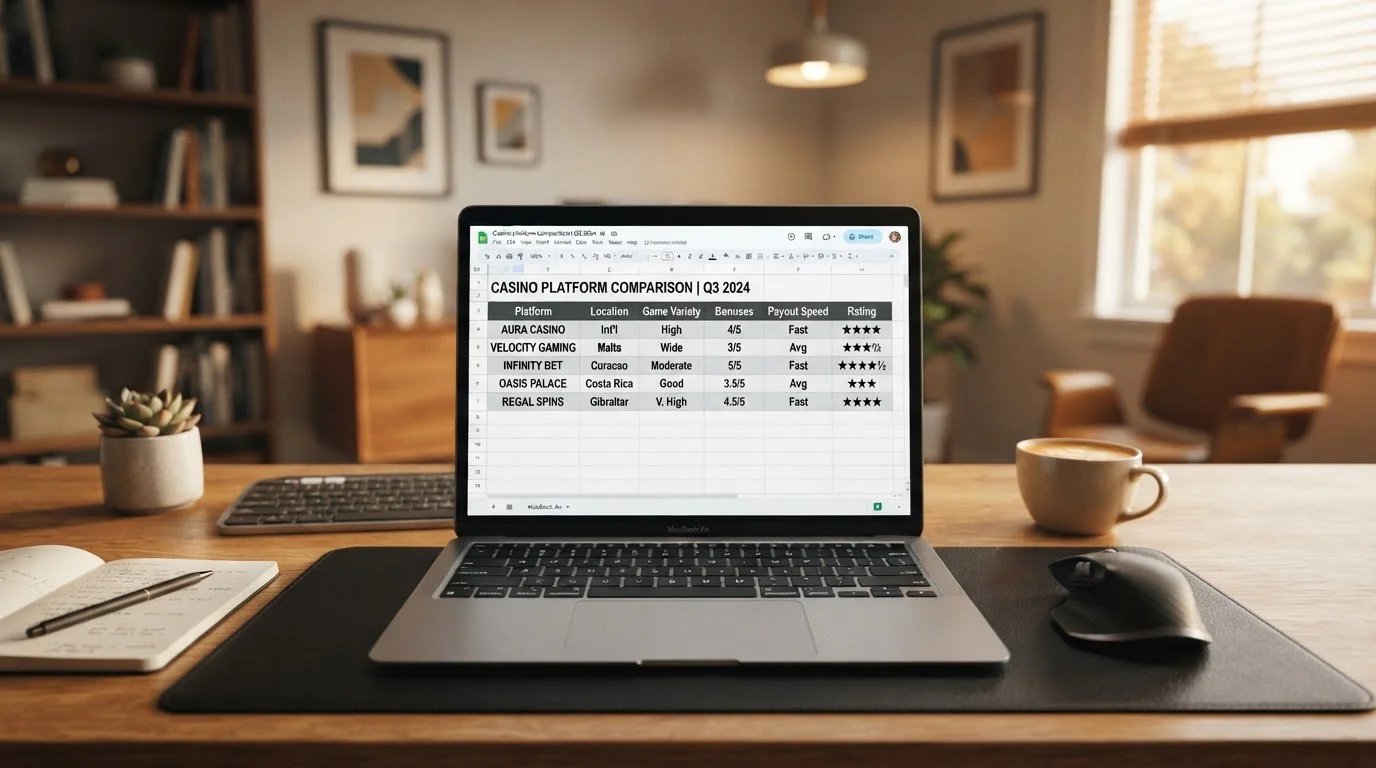
| Operator | Min Deposit | Payment Methods | Withdrawal Speed | Distinguishing Feature |
|---|---|---|---|---|
| SpinBetter | A$1 (crypto/e-wallet); A$10 (card) | Crypto, PayID, Neosurf, cards | 1–24 hours (crypto/e-wallet) | Only confirmed genuine A$1 floor |
| Drakaris | A$5 | Neosurf, MiFinity, crypto, cards | Often within minutes (crypto) | 450% welcome headline, daily cashback |
| Spin Samurai | A$5 | Cards, e-wallets, crypto, Neosurf | 1–24 hours | Direx N.V. brand, live dealer range |
| KingBilly | A$5 | Cards, Skrill, Neteller, crypto, Neosurf | 1–24 hours | Established since ~2017, strong mobile |
| Alf Casino | A$5 | Cards, e-wallets, crypto | 1–24 hours | Quirky lower-profile Curaçao brand |
| Playfina | A$10 | Cards, POLi, BPAY, crypto, e-wallets | Within 24 hours | Softswiss platform, daily bonus calendar |
| 7abet (Wonaco) | A$10 | Cards, e-wallets, crypto | 1–24 hours | A$7,000 welcome package headline |
| Mirax Casino | A$40 | Cards, Neosurf, crypto, e-wallets | 1–24 hours | Upper-bound reference, large library |
The table is the map. The breakdowns below are the terrain, because a row can tell you a minimum deposit but it can’t tell you whether the site invents reasons to sit on your first withdrawal.
SpinBetter — The True A$1 Floor
SpinBetter is the one operator in this group that consistently advertises and, by multiple accounts, honours a genuine A$1 minimum. It’s an offshore brand widely linked to the Dama N.V. network, which holds a Curaçao eGaming sublicence and runs a stable of casino sites. The corporate structure isn’t printed proudly on the homepage — opacity is the house style across this entire tier — but the Curaçao paperwork sits behind it. The site pairs a casino with a sportsbook and carries north of 5,000 titles, drawing from the studios you’d expect at a serious operation: Pragmatic Play, NetEnt, Evolution for live tables, Microgaming, Play’n GO.
The A$1 entry runs through crypto and select e-wallets; the card cashier asks for A$10. That split matters more than the headline because it defines who actually gets the dollar deal. Withdrawals carry a A$20 minimum and clear in roughly one to 24 hours on crypto and e-wallets, slower on cards. One honest caveat from user reports: the first cashout often triggers identity checks, so the “fast payout” clock really starts once verification clears, not the moment you hit withdraw. The Australian Communications and Media Authority has flagged SpinBetter’s domain and pushed it onto blocked lists — the operator answers by spinning up mirror domains, which is standard evasive footwork in this market and worth knowing before you assume the site you found is the “official” one.
Drakaris — A$5 Entry With a 450% Bonus Headline
Drakaris leads with a dragon-and-hoard theme and one of the loudest bonus numbers in the segment: a 450% welcome match spread across deposits, quoted anywhere from A$4,500 to A$7,200 depending which of its many mirror pages you land on, plus up to 450 free spins. The A$5 minimum deposit puts it firmly in genuine low-stakes territory. Licensing is the murky part — some sources cite the Tobique Gaming Commission, a First Nations jurisdiction in Canada, others point to Curaçao. That inconsistency is itself a data point: when a site can’t give you a straight answer about who regulates it, treat the bonus maths with matching scepticism.
The offering does have real texture beyond the headline. Payment rails cover Neosurf, MiFinity, crypto and cards, with crypto withdrawals reportedly landing within minutes. Withdrawal limits are stated at A$7,500 weekly and A$30,000 monthly, and the site advertises automatic daily cashback on net losses with no claim required. That last feature is the genuinely useful one for a small-bankroll player — a quiet rebate beats a headline bonus you’ll never clear. Just remember the 450% “gift” comes shackled to 40x wagering, which on a A$5 deposit is the kind of maths that keeps your money on the site rather than in your account.
Spin Samurai — A$5 Behind the Direx Badge
Spin Samurai is one of the more established names here, running under Direx N.V., a Curaçao licence holder that operates several casinos and has been in the market since roughly 2019. The samurai styling is set dressing; the substance is a 3,000-plus game library pulling from NetEnt, Microgaming, Play’n GO and Evolution for live dealer tables. A$5 gets you in, wagering sits at the standard 40x, and payment options span cards, e-wallets, crypto and Neosurf.
What you’re really buying with a Direx-family site is a track record. This isn’t a brand that appeared last month with a slick landing page and a vague licence claim. The infrastructure has been tested by years of players, the withdrawal process is a known quantity, and the game aggregation is broad rather than padded with clones. For a cautious A$5 depositor, “boring and proven” is a feature, not a shortcoming. The welcome package figures wobble between sources — some cite up to A$2,500 with spins, others closer to A$1,200 — so read the terms on the page you actually land on rather than the number in an affiliate’s headline.
KingBilly — The Veteran of the A$5 Tier
KingBilly shares Direx N.V. parentage with Spin Samurai and wears a medieval-royalty theme, but it’s the older sibling — operational since around 2017, which makes it one of the longest-running brands any low-deposit guide will point an Australian player toward. The Curaçao licence is verifiable through the regulator’s validator, a small but real reassurance in a market where half the operators won’t even display a licence number. Game count sits in the 3,000 to 4,000 range across NetEnt, Microgaming, Play’n GO, Quickspin, Betsoft and Evolution live tables.
The A$5 minimum and 40x wagering are par for the course; the differentiators are longevity and mobile execution. Reviewers consistently rate KingBilly’s phone cashier and browser play among the smoother options in this bracket, which matters more than it sounds when most Australians who chase a A$1 or A$5 deposit are doing it on a phone during a commute. There’s a VIP ladder with a dedicated manager at the upper rungs — useful if you become a regular, irrelevant if you’re here to test a buck. Payment support runs cards, Skrill, Neteller, crypto and Neosurf. If you want the low-deposit experience with the least “who even are these people” anxiety, KingBilly is the safe pick of the pack.
Alf Casino — The A$5 Wildcard
Alf Casino trades on alien-and-space theming and sits at a A$5 entry point, or A$10 by some cashier reports — the discrepancy likely reflects which payment method you pick. It’s a Curaçao-sublicensed operation, though the specific licence holder is harder to pin down than with the Direx brands, and it carries less affiliate coverage overall. The library runs the familiar 3,000-plus titles from NetEnt, Microgaming, Play’n GO and Pragmatic Play, with cards, e-wallets and crypto on the cashier.
Honesty demands the caveat: public information on Alf’s ownership and exact licensing is thinner than on the veterans above. That doesn’t make it dodgy, but it does make it unproven in the way KingBilly isn’t. For a small deposit it’s a reasonable roll of the dice, and the game selection is genuinely competitive rather than a skeleton lobby dressed up with a theme. Treat a first deposit here as exactly the kind of low-stakes platform test the A$5 floor is built for — put in the minimum, try a cashout early, and let the withdrawal experience tell you whether it’s worth a second visit.
Playfina — Softswiss Polish at A$10
Playfina steps up to a A$10 minimum, which technically disqualifies it from “$1 casino” purity, but it earns a mention because it’s one of the most frequently recommended low-deposit brands for Australians and the extra nine dollars buys noticeably better software. It runs on the Softswiss platform — a recognised white-label engine — under a Curaçao sublicence, which translates to a polished, mobile-first cashier and a well-aggregated library north of 4,000 titles from Pragmatic Play, NetEnt, Microgaming, Play’n GO, Quickspin and Yggdrasil.
Playfina’s signature is a daily bonus calendar: a different named promotion for each day of the week rather than the usual “weekend reload” filler. That’s a real hook for a regular, though the welcome package figures are all over the map across sources — anywhere from A$350 with 200 spins to A$2,600 with 800 spins — which again means the page in front of you is the only number that counts. Withdrawal minimum sits around A$30, payouts are quoted within 24 hours for verified accounts, and it supports POLi and BPAY alongside cards and crypto. If your “low deposit” tolerance stretches to A$10, Playfina is the option where the extra money visibly upgrades the experience rather than just the bonus headline.
7abet (Wonaco) — A$10 Entry, A$7,000 Bonus Noise
7abet — also surfacing under the name Wonaco, and the industry hasn’t decided which is the front and which is the rebrand — sits at a A$10 minimum and shouts a welcome package “up to A$7,000.” It’s a Curaçao-sublicensed operator, though the legal entity behind it stays firmly out of sight, and it carries thinner documentation than the established names. The library is described in the vague “thousands of games” terms that usually mean the operator would rather you not count.
The A$7,000 figure deserves the same treatment as every oversized bonus here: it’s a ceiling almost nobody reaches, gated behind 40x wagering across staged deposits. For a A$10 player it’s decoration. The branding confusion is the more practical concern — when you’re not entirely sure whether you’re on 7abet or Wonaco or a mirror of either, verifying you’ve landed on the operator’s real cashier becomes your job, not theirs. It’s a functional low-deposit option, but it’s the kind you approach with your KYC documents ready and your expectations set to “prove yourself to me.”
Mirax Casino — The A$40 Upper Bound
Mirax is here as a reference point rather than a micro-deposit pick. Its A$40 minimum is the highest here and puts it well outside “$1 casino” territory, but it usefully marks the ceiling of what the “low deposit” label can stretch to before it stops meaning anything. It’s Curaçao-sublicensed with the usual undisclosed entity, and it advertises one of the biggest game counts around — figures range from 4,000 to a frankly unverifiable 10,000-plus — plus a welcome bonus quoted between A$5,000 and A$8,000.
Why include a A$40 site in a A$1 guide? Because the contrast is instructive. A higher deposit floor sometimes correlates with quicker withdrawal handling and steadier VIP treatment, on the logic that the operator is courting players who deposit more than pocket change. That’s a hypothesis, not a promise, and Mirax doesn’t publish the internals to prove it. But if your real budget is A$40 rather than A$1, you’re no longer shopping for a micro-deposit specialist — you’re shopping for a decent mid-tier casino, and Mirax is a legitimate entry in that different conversation.
Payment Methods That Unlock the A$1 Floor
The “minimum deposit” advertised on a casino homepage is really a family of minimums, one per payment rail. The lowest number — usually the A$1 or A$5 that catches your eye — applies to whichever method the operator most wants you to use. The rest of the cashier enforces higher floors, and the difference can be tenfold. The breakdown below which methods genuinely reach the low end, what each one trades in speed for cost or privacy, and how the August 2026 reforms will reshape the landscape when payment blocking kicks in on 1 January 2027.

| Method | Minimum Deposit | Settlement Speed | Withdrawal Speed | Fees | 2027 Blocking Risk |
|---|---|---|---|---|---|
| PayID | A$1–A$10 (operator-set) | Under 60 seconds | 1–4 hours (operator processing) | None at rail level | Medium (harder to enforce than cards) |
| Crypto (BTC/ETH/USDT/LTC) | A$1–A$5 | 1–30 min (network-dependent) | 1–24 hours | Network fees (can exceed A$1 on BTC) | None (immune to banking blocks) |
| Cards (Visa/Mastercard) | A$10–A$20 | Instant authorisation | 1–72 hours | None at deposit | High (merchant code blocking) |
| E-Wallets (Neosurf, MiFinity) | A$5–A$20 | Instant | 1–24 hours | Varies (Neosurf voucher fee) | Medium (aggregator routes) |
PayID and the NPP Rail
PayID is the cleanest micro-deposit route for anyone banking with an Australian institution, and it’s the one that raises the most questions because it sounds too convenient to be real. It is real — but it’s also misunderstood, mostly because “PayID” gets used as shorthand for two separate things that happen to touch each other.
The infrastructure is the New Payments Platform, a real-time settlement rail supervised by the Reserve Bank and owned by Australian Payments Plus. PayID is the addressing layer that sits on top: instead of typing in a BSB and account number, you link an email address, phone number, or ABN to your bank account and use that as a handle. Transfers run 24/7/365 and settle in under 60 seconds, which is the technical spec and in practice what you get. The fee structure at the NPP level is zero — your bank might charge you a monthly account fee that lets you make NPP transfers, but the transfer itself costs nothing.
Now the casino side. Offshore operators don’t have direct access to the NPP. They integrate PayID deposits via payment gateways — intermediary services like Flexepin and others — that route your bank transfer through an aggregator. You see “PayID deposit” in the cashier, you send money to what looks like a normal PayID address, and it lands in your casino balance within a minute. The casino never touched the NPP directly; the aggregator did. On your bank statement it shows as a transfer to a business or individual account, not “SpinBetter Casino.”
Minimum deposits via PayID are operator-dependent. SpinBetter and a handful of others accept A$1 through PayID. Most set the floor at A$5 or A$10. Withdrawals are where PayID’s speed reputation gets qualified: the NPP rail can move your money back in seconds, but the casino still runs verification, fraud checks, and manual reviews on the first cashout. The “1–4 hours” withdrawal claim refers to operator processing time, not the rail. Once the casino approves the payout, the NPP piece is instant. Before that approval, you’re waiting on humans or algorithms, same as any other method.
The 2027 question is enforcement. The Interactive Gambling Amendment requires banks to block payments to designated illegal gambling services starting 1 January. Cards are easy to block — the merchant category code is a flag. PayID is harder. Blocking requires banks to identify and blacklist the receiving accounts that aggregators use, and offshore operators rotate those accounts faster than lists update. The government has the technical capability to squeeze this route, but the operational difficulty is higher than it looks, and the collateral risk — accidentally blocking legitimate business transfers because an account was flagged — makes banks cautious. PayID will survive 2027 more intact than cards, but it won’t be untouched.
Which payment methods let me deposit $1 at offshore casinos?
Crypto and select e-wallets hit the true A$1 floor. PayID ranges A$1–A$10 depending on the operator. Cards almost never drop below A$10. The advertised minimum on a site’s homepage usually reflects the cheapest rail, not the one you’re planning to use.
Do $1 deposit casinos accept PayID?
Some do, but PayID minimums vary. SpinBetter accepts A$1 via PayID. Most others set the floor at A$5 or A$10. Check the cashier after login rather than trusting the homepage headline.
Crypto (Bitcoin, Ethereum, USDT)
Crypto is the immune method — the one payment rail the August 2026 reforms can’t touch, because it bypasses the banking system entirely. No merchant code, no intermediary account to blacklist, no choke point. For a player who already holds Bitcoin or a stablecoin and wants the lowest possible deposit with the least regulatory friction, crypto is the answer.
The mechanics are clean. Generate a deposit address in the casino cashier, send the specified amount from your wallet, wait for network confirmation. Bitcoin takes ten to thirty minutes depending on network congestion and how much you paid in miner fees. Ethereum runs one to fifteen minutes. Stablecoins like USDT on Tron or Ethereum settle even faster, often within minutes. Once confirmed, the balance appears in your casino account, and you can play immediately.
The catch is the fee structure. Bitcoin network fees fluctuate with congestion — during a busy period, moving any amount can cost several dollars in miner fees, which makes a A$1 deposit uneconomical. You’d spend more on the transfer than you deposited. Ethereum fees (gas) swing even more wildly. Stablecoins on cheaper chains like Tron keep fees low, often a few cents, which makes them the practical crypto choice for micro-deposits. Litecoin sits somewhere in the middle: faster and cheaper than Bitcoin, less volatile on fees than Ethereum.
The second catch is exchange-rate risk. If you deposit A$1 worth of Bitcoin, the AUD/BTC rate can shift between the moment you send and the moment it confirms. A dollar’s worth of BTC can land as 95 cents or A$1.05 in your casino balance depending on which way the market twitched in those fifteen minutes. Stablecoins pegged to the US dollar sidestep most of this — USDT holds close to USD 1.00 — but you still face AUD/USD conversion, and the casino’s internal rate might not match the spot market.
Withdrawals mirror deposits: fast on the network, slow at the operator’s discretion. Crypto payouts quoted as “within an hour” still wait on the casino to release the funds. Once released, blockchain settlement is quick, but you then face the reverse exchange-rate risk and the same network fees to move your winnings back to fiat. For a player committed to staying in crypto, this is the cleanest path. For someone who just wants to try a pokie with a dollar, the overhead is real.
Cards and Their A$10+ Reality
Visa and Mastercard are the front door most players reach for first, and they’re the door where the advertised A$1 minimum almost never applies. The cashier floor for card deposits sits at A$10 to A$20 across nearly every operator here, SpinBetter included. That’s not arbitrary greed — card processing comes with interchange fees and chargeback risk, and operators price that into the minimum.
Deposits are instant in the sense that your card issuer authorises the transaction within seconds and the casino credits your balance. Withdrawals to the same card take one to 72 hours, which is a polite way of saying “somewhere between overnight and three business days, and we’re not telling you which until it happens.” The delay isn’t the card network — Visa can move money instantly when it wants to. The delay is verification queues, anti-fraud checks, and the operator deciding how fast they feel like processing it.
The charm of cards is simplicity: most Australians have one, everyone knows how they work, and you’re not managing a second account or learning what a blockchain explorer is. The liability is exposure. You’re handing an offshore casino your card number, trusting their payment gateway to hold it securely, and relying on their goodwill to process withdrawals promptly. If something goes sideways — a dodgy charge, a cashout that never lands — your dispute runs through your card issuer, and their tolerance for “I deposited at an illegal offshore casino” as a chargeback reason varies.
Then comes 1 January 2027. The reforms require Australian banks to block card transactions to ACMA-designated gambling services. The technical mechanism is merchant category code identification: the code attached to the casino’s payment processor flags it as gambling, the bank’s system spots the code, the transaction fails. That works cleanly in theory. In practice, offshore operators will hop processors, disguise transaction codes, and route through fronts that look like generic e-commerce. The blocking will reduce card access, but it won’t kill it overnight. Expect card deposits to get flakier — more declines, more “this payment method is temporarily unavailable” errors, more players quietly migrating to crypto and e-wallets.
E-Wallets (Neosurf, MiFinity)
E-wallets occupy the middle ground: easier than crypto, harder to block than cards, and often sitting at a A$5 to A$10 minimum rather than the true A$1 floor. Neosurf is a prepaid voucher system — you buy a voucher with cash or a card at a retail outlet or online, then redeem the voucher code in the casino cashier. MiFinity is a regulated UK e-wallet that works like PayPal: load it from your bank or card, then use the wallet balance to fund casino deposits.
Neosurf deposits are instant and genuinely anonymous if you buy the voucher with cash. The trade-off is that Neosurf withdrawals are inconsistently supported — plenty of casinos take Neosurf deposits but require you to pick a different method to cash out. That asymmetry is annoying but not unusual. The voucher minimums typically start at A$10 or A$20 depending on where you buy it, which pushes Neosurf out of the “genuine dollar” category regardless of what the casino says it accepts.
MiFinity and similar wallets (Skrill, Neteller) are faster on both ends. Deposits clear instantly, withdrawals process in one to 24 hours once the casino approves them. Minimums vary by operator but cluster around A$5 to A$10. The regulatory landscape for e-wallets under the 2027 reforms is murkier than cards. They don’t carry gambling merchant codes, and they route through aggregators that don’t neatly map to a single jurisdiction. Enforcement will be harder, but not impossible — if a payment aggregator consistently funnels money to offshore casinos, the government can lean on banks to restrict transfers to that aggregator. E-wallets will survive 2027 better than cards, but the path won’t be entirely smooth.
How to Actually Play with A$1–A$5 Bankrolls
A dollar deposited is not a dollar playable unless you’ve chosen your game carefully, and most players walking into a A$1 session blow the balance in three spins because they didn’t do the maths first. This isn’t about strategy in the “beat the house” sense — you’re not beating anything on a dollar. This is about making the dollar last long enough to decide if you like the site, the speed, the interface, and whether a withdrawal request gets honoured or ignored. That requires matching bet size to bankroll size, volatility to session length, and expectations to reality.

Bet Sizing and Session Length Math
Standard bankroll advice says risk one to two percent of your session funds per spin. On A$1, that’s one or two cents. On A$5, it’s five to ten cents. Now check the pokie you’ve picked and see what its minimum bet actually is. If the floor is ten cents and you’re working with a dollar, you get ten spins maximum. If it’s twenty cents, you get five. If it’s fifty cents, you’re done in two clicks.
Most pokies that accept bets under ten cents are older titles or low-end slots with simple mechanics — three reels, single paylines, minimal features. The flashy Megaways games, the multi-level bonus rounds, the pokies with the big RTP numbers splashed on review sites — those typically start at twenty cents or higher. So the real choice on a A$1 bankroll is: play a low-floor game for ten to twenty spins, or play a premium game for two to five spins and accept that the session will be over before you’ve seen the bonus trigger.
A$5 opens it up slightly. At one percent bet sizing, you’re staking five cents a spin for one hundred spins, which is enough to see some variance. At two percent, it’s ten cents for fifty spins. That’s a real session rather than a coin toss, and it’s the threshold where “testing a platform” stops being theater and starts being a genuine trial. You’ll see at least one or two small wins, you’ll hit a feature or two, and you’ll know whether the RTP claim feels honest or the game is ice-cold. A$10 gets you into comfortable territory for most pokies with reasonable minimums; anything below A$5 is genuinely experimental.
The withdrawal-minimum trap bites hardest here. Win a few dollars off your A$1 and you’re sitting on, say, A$3. The cashier won’t let you withdraw under A$20. To get that A$3 out, you need to keep playing until you’re either broke or above the threshold, and the maths of climbing from A$3 to A$20 on pokie spins is not in your favour. This is why declining the welcome bonus on your first micro-deposit is smarter than it sounds. A bonus shackles you to wagering requirements. No bonus means any win, no matter how small, is yours to withdraw once you clear the minimum. It’s the fastest path to the real test: does this site pay, or does it invent excuses?
What’s the best game to play with a $1 bankroll?
Low-volatility pokies with minimum bets under ten cents. Look for older titles or simple three-reel slots where you’ll get fifteen to twenty spins rather than three. High-volatility Megaways games burn through a dollar before you see a feature trigger.
Low-Volatility Pokies vs High-Variance Traps
Volatility describes how a pokie pays. Low-volatility games pay frequently in small amounts — lots of two-times, three-times, five-times wins that keep your balance bouncing around the starting point. High-volatility games pay rarely but in larger chunks — long dry spells punctuated by a 50x or 100x hit. On a serious bankroll, high variance is how you chase big wins. On a A$1 or A$5 bankroll, high variance is how you watch your balance evaporate in under a minute without seeing anything interesting happen.
If your goal is session length and platform testing, low-volatility titles are the only sane pick. They’re usually less flashy, and they’re often the ones with the lowest minimum bets, which is not a coincidence. The game design aligns with the player profile: someone staking five or ten cents a spin isn’t hunting a jackpot, they’re hunting fifty spins of entertainment. Look for classic fruit slots, simple three-reel layouts, games with a low maximum win multiplier (50x, 100x rather than 5,000x). The RTP will be in the 95% to 97% range, same as everything else, but the ride will be smoother.
High-volatility traps are easy to spot once you know the pattern. They advertise huge maximum wins, they have elaborate bonus features with multiple stages, and the base game pays almost nothing. That’s by design — the entire RTP is loaded into the bonus round, and you might go two hundred spins without triggering it. On a A$100 session you can afford to chase that trigger. On A$5 you can’t, and the game will just drain you. If the pokie’s marketing material leads with “WIN UP TO 10,000X!” and shows clips of massive bonus rounds, it’s a high-variance title and you should walk past it on a micro-bankroll.
Table Games on Micro-Stakes — What’s Playable, What’s Not
Table games sound appealing for a small bankroll because the house edge is often lower than pokies, but the minimum bets are almost always higher. A dollar won’t get you a hand of blackjack at a live dealer table — those tables typically start at A$1 or A$5 for the absolute lowest-stakes席, and the A$1 席 are rare. RNG blackjack (the computer-simulated version) might accept fifty cents or a dollar, but you’re trading the lower house edge for faster play, and faster play on a tiny bankroll just means you hit zero sooner.
Roulette, baccarat, and other table games have similar floors. The lowest-stakes RNG roulette might let you bet ten or twenty cents on a single number, but the payout volatility on a single-number bet (35 to 1) is even more brutal than a high-variance pokie. You’ll lose 35 spins in a row, hit once, and be back where you started, minus the house edge. Spreading small bets across red/black or odd/even gives you more spins per dollar, but it also grinds you down faster because you’re playing more hands per minute than you would on a pokie.
The blunt truth: table games are a terrible use of a A$1 to A$5 bankroll unless you already know the game inside out and you’re genuinely there to test one or two hands, not stretch a session. If you want to play tables, deposit A$20 or more so you can afford the minimums without the balance evaporating on the first shoe. Below that, stick to pokies.
Bonuses at the A$1 Tier — Worth It or Trap?
Every operator listed above advertises a welcome bonus measured in the hundreds or thousands of dollars, and exactly none of them are designed for someone depositing a dollar. Bonus maths works against micro-depositors in three overlapping ways: the match percentage looks big but the multiplied amount stays tiny, the wagering requirement scales with the bonus rather than your ability to clear it, and bonus rules often cap your per-spin bet low enough that you’re stuck grinding a balance you’ll never convert to real money.

Take the basic case. A 100% match bonus on a A$1 deposit gives you A$2 total — your dollar plus the casino’s dollar. The wagering requirement is 40x, which is typical. That’s A$2 times 40, or A$80 you need to bet before the bonus converts to withdrawable cash. If you’re betting two cents a spin — the one-percent rule on a A$2 balance — you need 4,000 spins to clear A$80 in wagering. At three seconds per spin, that’s over three hours of nonstop play. At five seconds per spin, it’s five and a half hours. And all of this assumes you never lose, which isn’t how pokies work.
The realistic case is worse. Pokies have an RTP around 96%, which means you lose four cents on every dollar wagered over the long run. Grinding through A$80 in wagering on a A$2 starting balance will drain that balance faster than you can rebuild it through small wins. Most players on a micro-deposit-with-bonus will bust out before clearing even a quarter of the requirement. The bonus wasn’t free money. It was a lock on your deposit.
Some operators let you decline the bonus, and on a first micro-deposit that’s the smarter move. Deposit A$1 with no bonus attached. Play it, win or lose, and if you win anything at all — even A$3 — try to withdraw it. The site will either process the cashout smoothly, proving the platform works, or it will invent friction, proving you should never deposit again. That’s worth infinitely more than a “bonus” that was never realistically clearable. The bonus can wait for a second deposit, if there is one, when you’ve seen that the first withdrawal worked.
Can I claim a welcome bonus with a $1 deposit?
Yes, but it’s almost never worth it. A 100% match on A$1 gives you A$2 total, with 40x wagering that requires grinding A$80 in bets — functionally impossible on a micro-balance. Decline the bonus, test a clean withdrawal first, claim it later if you deposit more.
Withdrawal Reality — When A$1 In Doesn’t Mean A$1 Out
The asymmetry between deposit and withdrawal is where the “minimum deposit casino” pitch quietly shifts from convenience to control. You put money in through one set of rules. You take money out through an entirely different set, with higher floors, longer waits, and an approval process that didn’t exist on the way in. This isn’t unique to low-deposit operators — it’s industry-standard friction — but it bites harder when your starting bankroll is a dollar and the cashout threshold is twenty times that.
Minimum Cashout Thresholds
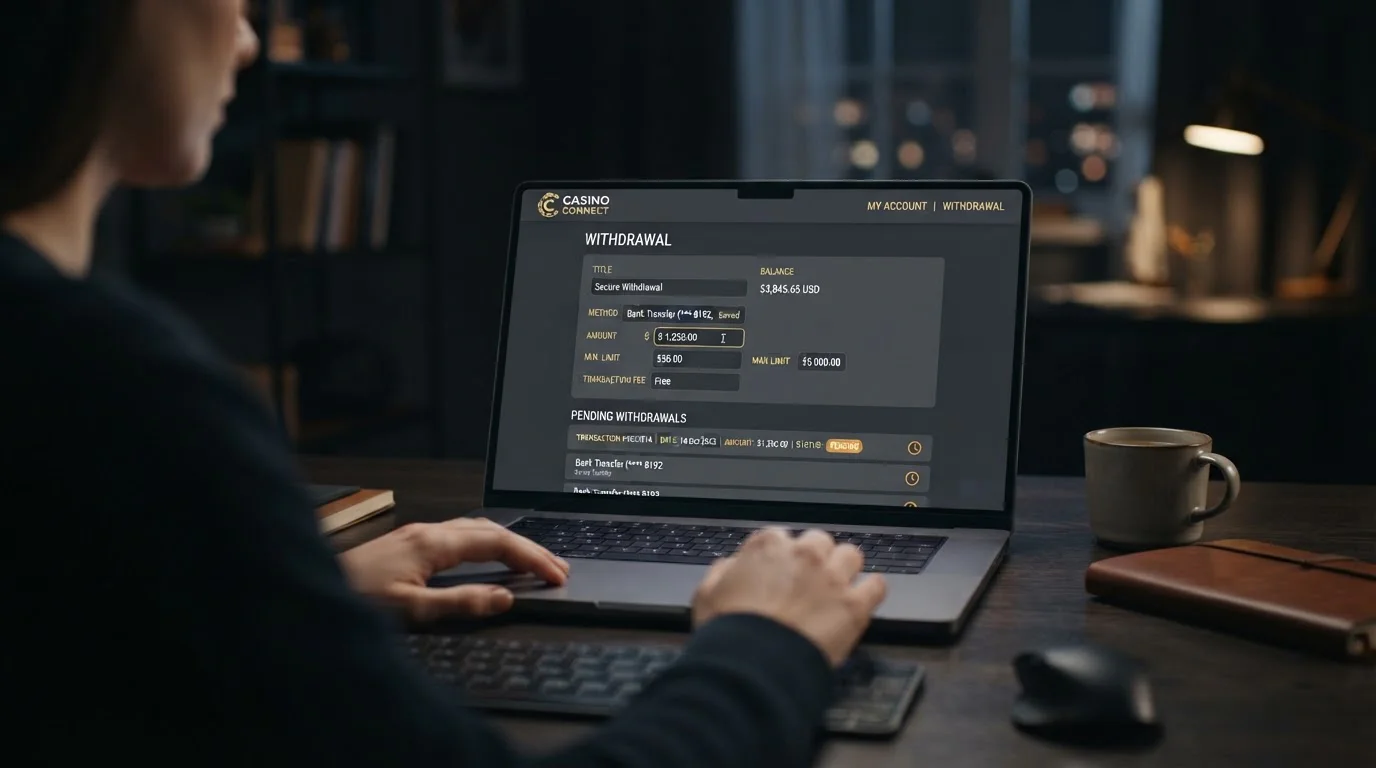
Almost every operator here sets a withdrawal minimum between A$20 and A$50, regardless of what they accept as a deposit. SpinBetter takes A$1 in but won’t pay out under A$20. Playfina’s floor is A$30. That gap isn’t accidental. It ensures that anyone who deposits a dollar and wins a few more has to keep playing — and keep losing house edge on every spin — until the balance crosses the cashout threshold or dies trying. Mathematically, climbing from A$1 to A$20 through pokie play is possible but unlikely. The RTP works against you on every bet, and variance might give you a temporary boost to A$5 or A$10, but sustaining a climb to A$20 requires either a lucky streak or a much larger starting deposit in disguise.
The practical takeaway: a A$1 deposit is a platform test, not a profit strategy. If you win, great — but if you win small, expect to either forfeit it by continuing to play or deposit more to push your balance over the cashout minimum. That second deposit is what the low entry point was designed to encourage. The A$1 got you in the door. The A$20 minimum keeps you in the room.
Verification Timing and First-Withdrawal Delays
Offshore casinos are required by their licences to verify player identity before processing withdrawals, and most do it lazily: they let you deposit and play without asking for documents, then demand a KYC check the moment you request a cashout. That means your first withdrawal takes longer than any subsequent one, sometimes by days. The operator wants a photo ID, proof of address, and occasionally a selfie holding your ID or a picture of the card you deposited with. Upload those documents, wait for manual review, and only then does the “1–24 hour payout” clock start ticking.
Savvy players upload KYC documents immediately after the first deposit, before they’ve even spun a pokie. That way, if they win anything, the verification is already done and the payout runs on the advertised timeline. Most players don’t think of this until they’ve requested a withdrawal, at which point they’re stuck waiting. On a A$1 test deposit, the time investment of KYC can feel absurd — you’re uploading your passport to withdraw three dollars — but if the real purpose was testing whether the site pays cleanly, the document check is part of the test.
Some operators waive KYC on very small cashouts, processing anything under A$50 or A$100 without verification as a goodwill gesture. That’s rare and operator-dependent, and it’s never advertised as policy because it creates an exploitable loophole. If you get lucky and your first micro-cashout sails through without a document request, that’s a green flag. If you hit the KYC wall, it’s not necessarily a red flag — it’s just the reality of offshore gambling.
How long does it take to withdraw winnings from a $1 deposit?
If your balance exceeds the withdrawal minimum (usually A$20–A$50) and your account is already verified, most operators process crypto and e-wallet payouts in 1–24 hours. Cards take 1–3 days. First-time cashouts require KYC, which adds 1–3 days for document review. Upload ID early to skip the wait.
Payment-Method Asymmetry — Fast In, Slow Out
The speed advertised for a payment method almost always refers to deposits, not withdrawals. PayID deposits land in under 60 seconds; PayID withdrawals are quoted at 1–4 hours but that’s operator processing time, not the rail. Crypto deposits confirm in minutes; crypto withdrawals wait in a manual approval queue for anywhere from an hour to a day before they hit the blockchain. Cards authorise deposits instantly; card withdrawals take one to three business days because the casino is reversing a credit transaction through banking infrastructure that was never built for speed.
This asymmetry is functional, not punitive. Deposits are automated because the casino wants your money in the system immediately. Withdrawals are gated because the casino wants to check you’re not laundering, bonus-abusing, or exploiting a bug before they send money out. The “fast payout” reputation of a casino is really a measure of how much friction they insert into that approval step. A good operator runs the checks efficiently, resolves obvious low-risk cases automatically, and processes most withdrawals within hours. A bad operator uses the approval queue as a stalling tactic, hoping you’ll reverse the withdrawal and lose the balance back to the house.
Testing payout speed is why the first micro-deposit is valuable. You’re not there to win big; you’re there to see how the casino handles a cashout under low-stakes conditions. If your A$3 withdrawal gets paid in six hours with no fuss, that tells you something. If it takes three days and two live-chat conversations, that tells you more. Either way, you learned for the price of a dollar.
The Legal Reality for Australian Players in 2026
No online casino operating in Australia holds an Australian licence, because that document doesn’t exist. The Interactive Gambling Act 2001 forbids the provision of online casino games to Australian residents, and no state or federal regulator issues licences to anyone offering them. Every operator here sits offshore, typically under a Curaçao eGaming sublicence, and targets Australians in deliberate violation of the Act. That violation is structured to land on the operator, not the player — the law is explicit about who it prosecutes — but the distinction matters less than you’d think when the operator has no Australian presence, no local dispute body, and no regulator you can complain to when something breaks.

The Interactive Gambling Act and Offshore Operators
The IGA’s logic is cleanly stated: it’s illegal for a business to provide online casino services to Australians. It is not illegal for an Australian to play at an offshore casino. Players face no criminal penalty, no fines, no enforcement action. That asymmetry exists because the law’s drafters concluded that prosecuting demand was impractical and politically toxic, so they targeted supply instead. Enforcement falls to the Australian Communications and Media Authority, which blocks domains, warns operators, and occasionally names-and-shames the most brazen brands. But blocking a domain doesn’t shut the operator down — it spins up a mirror, renews its marketing, and accepts Australian deposits again the next week.
The practical consequence of this setup is that Australian players operate in a legal grey zone. You’re not breaking the law by playing. The site serving you is breaking the law, but it’s offshore, immune to Australian courts, and the enforcement mechanism is domain blocking rather than meaningful prosecution. That leaves you with access — plenty of it — but zero consumer protection. If an offshore casino refuses to pay out, invents a terms violation, or vanishes overnight, you have no ombudsman, no licensing authority, and no dispute body to appeal to. Your Curaçao-licensed operator answers to Curaçao, which has a light regulatory touch and little interest in adjudicating small-dollar Australian complaints.
BetStop, the national self-exclusion register, covers licensed wagering operators — the legal sportsbooks and racing platforms that hold Australian licences. It does not cover offshore casinos, because those casinos don’t participate in Australian regulatory systems. If you self-exclude through BetStop and then open an account at SpinBetter or KingBilly, nothing stops you. The onus is entirely on you.
What Changes on 1 January 2027
Parliament passed the Interactive Gambling Amendment (Gambling Reform) Act in August 2026, and its enforcement measures come into effect on 1 January 2027. The centrepiece is mandatory payment blocking: Australian banks will be required to identify and block transactions to gambling services ACMA designates as illegal. Card payments are the primary target — the merchant category code gives banks a clean technical flag — but the legislation also empowers ACMA to take down gambling advertisements directly and compels search engines and app stores to restrict offshore casino listings.
The mechanics are messier than the headline. Blocking card transactions requires ACMA to maintain and circulate a blocklist of merchant processors, and offshore operators will shift processors, disguise transaction codes, and route payments through shell entities that look like generic e-commerce. Banks will block what they can identify, but the identification game is adversarial. PayID and crypto are harder to interdict — PayID because it requires banks to blacklist specific receiving accounts that operators rotate constantly, crypto because it bypasses banks entirely. Both will survive 2027 more intact than cards, but both will face pressure.
For a player sitting on a A$1 deposit in late 2026, the immediate question is: will this site still be reachable in three months? The answer depends on how aggressively ACMA enforces the new powers and how fast your bank adopts the blocking mechanisms. Expect card deposits to get flakier first — more declines, more redirects through alternate processors, more friction. PayID and crypto will stay functional longer, but access overall will narrow. The operators themselves aren’t going anywhere — they’ll just be harder to pay.
Is it legal for Australians to play at $1 deposit casinos in 2026?
Playing is not illegal for the player. The Interactive Gambling Act targets operators, not individuals. Australian players face no criminal penalty. The site serving you is breaking Australian law, but it’s offshore and largely immune to enforcement. You have legal access but zero consumer protection.
What happens to $1 deposits after the 2027 payment blocking laws?
Card deposits will face the most disruption — expect more transaction declines as banks block merchant codes. PayID and crypto will survive longer because they’re harder to enforce. Offshore operators will remain accessible but harder to fund. Access will narrow, not disappear.
What “No Australian License” Actually Means for You
The absence of an Australian licence means the absence of Australian regulatory oversight. If a licensed Australian bookmaker refuses a payout, you can escalate to the state regulator, an ombudsman, or a dispute resolution body. If an offshore Curaçao casino refuses, your options are: complain to Curaçao’s licensing authority (which rarely takes action on small-value complaints), complain publicly on forums and review sites in hope of reputational pressure, or accept the loss. There’s no legal mechanism to compel the operator to act.
This is why reputation matters more than licensing in the offshore tier. A Curaçao licence is table stakes — every operator has one or something equivalent — but the licence itself guarantees almost nothing. What matters is the operator’s track record: do they pay out reliably? Do they honour withdrawals without inventing excuses? Do they respond to support queries in hours rather than days? That track record is built over years and documented in user reports, affiliate reviews, and forum threads. The the operators covered here are here because they have years-long operational histories and broadly consistent payout reports. That’s not a guarantee — it’s evidence, and in an unregulated market, evidence is all you get.
The smarter play for a risk-averse Australian is to treat offshore casinos as entertainment with a capital-loss assumption. Deposit only what you’re comfortable losing, assume any win is a bonus rather than income, and if a site refuses to pay out, walk rather than fight. The legal avenue doesn’t exist, and the reputational one only works if you’re loud and the operator cares, which is never a given. The A$1 micro-deposit is a perfect expression of this philosophy: put in the minimum, test the platform, and escalate your trust only if the first cashout clears.
Mobile Play and Cashier Usability
More than half of Australian players who chase a low-deposit casino do it on a phone, which means mobile experience isn’t a nice-to-have — it’s the primary interface. A site that looks polished in a desktop browser but runs like sludge on a Samsung or stumbles through the cashier on Safari iOS is a functionally broken site for most of its audience. The quality signals here are simple: does the lobby load fast, do the games resize cleanly, and can you deposit and request a withdrawal without zooming, pinching, and rage-closing tabs.
Every operator here offers browser-based mobile play — no download, no app, just hit the site in Chrome or Safari and it adapts. Dedicated apps are rarer, partly because app stores have tightened gambling restrictions under pressure from the August 2026 reforms, and partly because maintaining an app is overhead most offshore operators would rather skip. Browser play is the standard, and it works well enough on modern phones that the app absence isn’t a dealbreaker.
Cashier usability is where mobile stumbles more often. Desktop users get a wide form, clear labels, and plenty of screen real estate to compare payment methods. Mobile users get a vertical scroll, tiny tap targets, and a deposit flow that sometimes requires switching out to a banking app, copying a payment reference, switching back, pasting it, and hoping the session didn’t time out in the interim. PayID is the smoothest mobile path because the entire transaction happens in your banking app — the casino just hands you a PayID address, you switch to your bank app, send the transfer, and switch back. Cards are nearly as easy. Crypto is the worst, because you’re copying wallet addresses and switching between apps with clipboard data that’s one typo away from sending your deposit to the void.
The operators with the most forgiving mobile cashiers are the ones running established platforms: Playfina on Softswiss, the Direx brands like KingBilly and Spin Samurai. Their cashier flows are built for mobile-first users, the tap targets are big, the forms are clear, and the payment options are grouped sensibly rather than dumped in a scrolling list. Newer or lower-budget operators — Alf, 7abet, some of Drakaris’s mirrors — have clunkier interfaces, and the clunk shows up hardest on a phone. If you’re depositing a dollar on a bus, test the cashier flow before you commit. If the deposit form makes you want to throw the phone, imagine trying to navigate a withdrawal request on the same screen.
New $1 Casinos Worth Watching
The offshore casino market churns through brands faster than any guide can track. New names appear monthly, often as rebrands of existing operators or white-label deployments on platforms like Softswiss or Dama N.V. Most are indistinguishable from the pack — same Curaçao licence, same game aggregation, same bonus structure — and they vanish as quickly as they arrived. A handful earn a second look because they launch with a genuinely competitive edge: a lower cashier floor, faster payouts, better mobile execution, or a promotional angle the veterans haven’t copied yet.
As of late 2026, no brand-new A$1-floor operator has displaced SpinBetter as the go-to micro-deposit name, but a few newer mid-tier options have gained traction in the A$5 to A$10 range. Watching a new casino means giving it six months to prove payout reliability, checking whether it stays reachable post-launch or gets ACMA-blocked immediately, and seeing if early-adopter reports flag withdrawal friction or clean cashouts. Until that track record exists, treat a new brand as higher-risk than an established one, and never deposit more than you’d walk away from.
The operators listed earlier — SpinBetter, the Direx family, Playfina — have years of operation and thousands of user reports. That’s not a guarantee of honesty, but it’s a statistical advantage over a site that launched last month. For a A$1 or A$5 test, the risk is low either way. For anything beyond that, stick to the names with history.
How We Chose These Casinos
This isn’t a paid ranking, and none of the operators listed here kicked back affiliate commission in exchange for a higher position. The order is determined by minimum deposit (lowest first) and backed by research into operator ownership, licensing, game aggregation, and user-reported payout behaviour. Every operator here meets three baseline criteria: it accepts Australian players, it has been operational for at least a year, and it has enough public user reports to establish a payout pattern.
The research draws from multiple sources. Curaçao licence numbers were verified where publicly available. Ownership networks were cross-referenced through corporate registries, affiliate reports, and shared platform tells (same game library, same cashier layout, same T&Cs wording). Minimum deposit figures were checked against operator cashiers rather than marketing materials. Payout speed claims were qualified against user forum reports and affiliate reviews, with the understanding that “within 24 hours” usually means “within 24 hours if you’re already verified and we feel like it.”
What covered here don’t include: any operator we couldn’t verify through at least two independent sources, any brand that appeared in the last six months without an established track record, and any site with consistent unresolved complaints about refusing withdrawals. Offshore gambling has no referee, so reputation is the only accountability mechanism that matters. The operators here have operational histories long enough to show whether they honour cashouts or invent excuses, and that’s the most useful filter in an unregulated market.
Responsible Gambling on Micro-Deposits
A dollar sounds like the safest possible deposit — what harm can it do? — but the framing is backwards. The deposit amount doesn’t control the risk. The behaviour does, and the low barrier makes it easy to deposit again, then again, then again, until the cumulative total stopped being trivial several rounds ago. The “test deposit” that was supposed to be a one-time cautious entry turns into twenty test deposits over a month, and the micro-deposit strategy quietly became a spending pattern.

Responsible gambling starts with a fixed budget set before the first deposit. Decide what the total monthly entertainment spend is — not “per session,” total — and divide it into however many sessions make sense. If that total is A$20, a A$1 test at twenty different casinos exceeds it. If it’s A$50, five A$1 deposits and one A$5 deposit leaves A$40 for the next session. The arithmetic is trivial, but it’s the arithmetic almost nobody does until the month-end bank statement arrives.
The second tool is the session timer. Offshore casinos are inconsistent about built-in responsible gambling tools — some have deposit limits, session reminders, and self-exclusion options buried in account settings, others have nothing — but your phone has a timer. Set it for fifteen minutes, thirty minutes, an hour, whatever fits the session you planned. When it goes off, stop. Cash out if you’re up, walk if you’re down, but end the session. The timer breaks the trance state that makes “just one more spin” turn into fifty.
The third is recognising the warning signs early. Depositing more than you planned to recoup a loss is chasing, and chasing is the clearest signal that you’ve crossed from entertainment into problem gambling. Lying to yourself or others about how much you’ve deposited or lost is another. Feeling anxious or irritable when you can’t play is a third. If any of those show up, the A$1 casino isn’t the problem — it’s just the venue. The behaviour is the problem, and the solution is external: talk to someone, use the national helpline (Gambling Help Online, 1800 858 858), and step back from the platform.
Low-deposit casinos make it easy to start, which is their charm and their danger. The ease of entry is useful for cautious testing. It’s harmful when it becomes an ease of re-entry you can’t control. Treat the A$1 deposit as a budget tool, not a licence to play without limits.
Final Takeaways
A genuine A$1 deposit casino is rare, method-dependent, and almost never as simple as the banner makes it sound. SpinBetter is the one operator here with a consistently verified A$1 floor, and even there it’s crypto or e-wallet only. The rest sit at A$5, A$10, or higher, which is still low-deposit territory but not the dollar the headline implied. Cards don’t reach the A$1 floor anywhere — the minimums start at A$10, and the August 2026 reforms will make cards even less reliable starting in January 2027.
The real value of a micro-deposit is platform testing: does the lobby load fast, do the games pay fairly, does a withdrawal request get honoured or buried, and is the customer support responsive or a wall of chatbot filler. Put in the minimum, play long enough to generate a small balance, and try to cash out. The result tells you everything the bonus headlines and game-count brags don’t. If the payout clears smoothly, the platform passed the test. If it invents friction, you’ve learned for the price of a coffee.
Every operator here runs offshore, with no Australian licence and no Australian consumer protection. That’s the market reality in 2026: legal casinos don’t exist for online play, so the options are offshore or nothing. The names here have operational track records measured in years, which is the closest thing to reliability an unregulated market offers. Track records don’t guarantee honesty, but they’re better evidence than a Curaçao licence, which every brand waves and none take seriously.
The withdrawal minimums, the payment-method splits, the KYC delays, the bonus wagering that quietly locks your deposit — these are friction by design, and they hit hardest at the A$1 to A$5 level. Know the maths going in. A dollar is an entry ticket, not a bankroll. A$5 is a short session. A$10 is a real test. Anything below that is experimental, and if you go in treating it as an experiment rather than an investment, you’ll get what the format actually offers: a cheap, low-risk way to see whether a casino is worth trusting with more.
Minimum Deposit Casinos Australia 2026 — $1, $5, $10 Sites
Content created by the «Aussie Cashier» team